
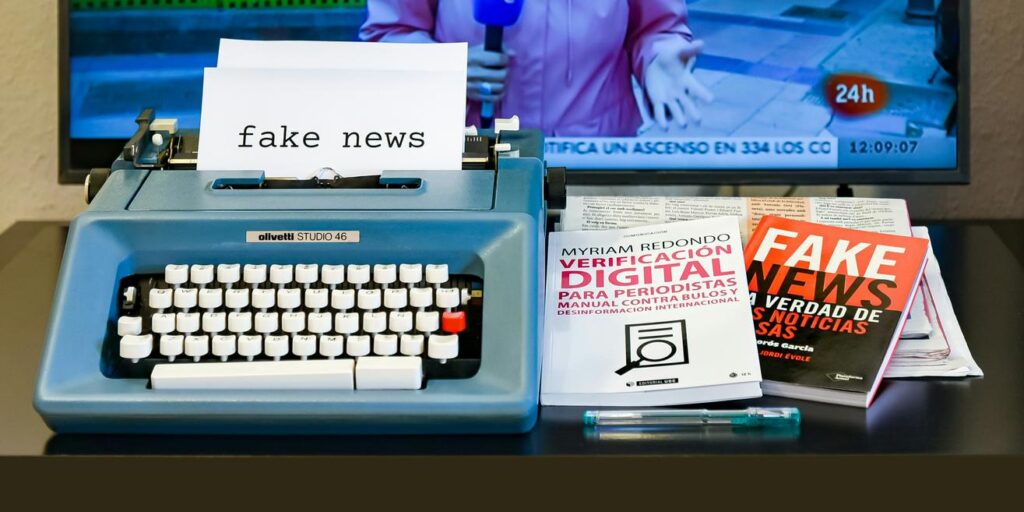
Parenting in the digital age comes with more information than ever before—but not all of it is helpful, accurate, or safe. If you’re here, you’re likely looking for clear, practical guidance you can actually trust when it comes to raising healthy, confident kids. This article is designed to cut through the noise and give you evidence-based insights, realistic routines, and behavior strategies that work in real homes with real families.
From child wellness essentials to time-saving daily systems, we focus on what truly supports modern moms—without the overwhelm. We’ve reviewed current pediatric recommendations, child development research, and expert-backed best practices to ensure the advice you’re reading is grounded in credible sources.
You’ll also learn practical strategies for filtering misinformation online, so you can confidently make decisions for your family. Our goal is simple: provide reliable, actionable parenting support that fits your life and helps your children thrive.
A Parent’s Guide to Navigating the Digital World Safely
Modern moms are bombarded with advice—group chats, reels, blogs, and well-meaning strangers. The problem? Not all of it is true. False claims about child wellness or safety can spark anxiety and push smart parents toward poor decisions.
Here’s a simple toolkit for filtering misinformation online:
• Check the source: Is it a recognized medical or academic organization?
• Look for evidence: Are studies cited, and are they recent?
• Cross-verify: Do multiple trusted sources agree?
If a post triggers fear or urgency, pause. Reliable guidance informs; it doesn’t panic. Stay confident.
What Is Misinformation and Why Does It Target Parents?
Misinformation is false or misleading information shared without harmful intent—like a friend swearing that amber necklaces cure teething pain because it “worked for her.” Disinformation, on the other hand, is deliberate deception—content created to manipulate, sell, or scare (think fabricated studies or fake expert quotes).
Parents are prime targets. Why? Because when it comes to our kids, caution feels like love.
Common traps include:
- Unproven health remedies promising miracle results
- Fear-based warnings about everyday products like sunscreen or baby formula
- Exaggerated claims from influencers presenting opinion as fact
You’ve probably seen headlines like:
- “The One Secret Doctors Don’t Want You to Know”
- “This Common Food Is Poisoning Your Child”
- “Toxic Ingredients Lurking in Your Nursery”
These messages hook into fear, hope, and insecurity. They imply that good parents know this already (and if you don’t, panic). That emotional trigger overrides logic.
Here’s what I recommend: pause before sharing, check the original source, and confirm claims with trusted medical organizations. Make filtering misinformation online part of your routine—just like checking expiration dates.
Pro tip: If a post relies on shock but skips credible citations, close the tab. Real experts don’t hide behind drama.
Your 5-Minute Fact-Check: Quick Ways to Verify Information
Let’s be honest—most of us scroll first and think later. I’ve done it too. But when it comes to parenting and health, a five-minute pause can save a lot of stress.
Step 1: Vet the Source
First, check who’s talking. Is the author a qualified expert—like a pediatrician or registered dietitian—or just an anonymous username with a strong opinion? Click the “About Us” page or author bio. If you can’t find credentials in under a minute, that’s a red flag (and yes, that’s my personal rule).
Step 2: Look for Evidence
Next, scan for links to credible research. Are there studies from universities or reports from government health agencies? Or is it all bold claims with zero backup? In my opinion, if an article can’t show receipts, it shouldn’t earn your trust.
Step 3: Read Beyond the Headline
Now, take a breath and read past the headline. Clickbait is designed for shock value—like a reality TV cliffhanger—but the actual content often tells a much calmer story.
Step 4: Get a Second Opinion
After that, do a quick search of the main claim. Do reputable organizations like the American Academy of Pediatrics (AAP) or the World Health Organization (WHO) confirm it? This step is crucial for filtering misinformation online.
Step 5: Check the Date
Finally, check when it was published. Old news recycled as “breaking” can spark unnecessary panic. Look near the headline or at the top of the page.
Pro tip: skepticism isn’t cynicism—it’s smart parenting.
Understanding Social Media’s Role in a Sea of Information

Social media platforms act like digital gatekeepers. They apply warning labels, remove posts that break rules, and reduce the visibility of content flagged as misleading. This process—called content moderation—is designed to slow the spread of false or harmful information. Think of it as a referee in a fast-moving game (and sometimes the crowd boos either way).
Why Moderation Isn’t Perfect
Here’s the catch: billions of posts are shared daily. Even with artificial intelligence and human reviewers, harmful content slips through. Information spreads in seconds, often faster than fact-checkers can respond. Some argue platforms should simply “ban everything questionable.” But over-filtering can silence legitimate voices and spark censorship concerns. Balance is harder than it sounds.
That’s why your vigilance matters most. You are the most effective moderator for your family.
Here’s what I recommend:
- Use the “Report Post” feature when something seems false or harmful.
- Block or mute suspicious accounts.
- Follow trusted experts and verified organizations.
- Regularly review privacy and feed settings.
These small habits make filtering misinformation online far more manageable. For context on big stories, visit top global headlines explained in simple terms. (Pro tip: pause before sharing—speed is misinformation’s best friend.)
Building Your Family’s Digital Safety Net
Think of your family’s online world like a neighborhood. You wouldn’t leave the front door wide open, so don’t leave your group chats unguarded either.
Start with open conversations. Tell your partner and close friends that you’re prioritizing filtering misinformation online before sharing posts—especially in parent groups where emotions run high. A simple rule works: pause, check the source, then share.
Model calm corrections. If a loved one posts something questionable, try: “I saw another source that explains this differently—want me to send it?” This keeps dignity intact (no one likes being fact-checked in public).
Teach kids media literacy early. Encourage older children to ask: “Who made this and why?” and “What do they want me to feel or do?” Even teens scrolling TikTok can learn to spot persuasion.
Curate a trusted circle. Create a short, go-to list of reliable parenting and health sources.
Pro tip: Save them in your notes app for quick access during heated debates.
Sure, the internet is noisy, and yes, some parents argue it’s impossible to keep up. But now you have practical tools. By simply checking the source, the evidence, and the date, you turn confusion into clarity. That quick routine is your secret weapon for filtering misinformation online. Admittedly, it can feel like one more task, yet it protects your family’s health and peace of mind. This week, try one fact-checking tip and share what you learn with another parent. After all, confident digital citizens are raised, not born, and it starts with you. Small steps today build lifelong strong habits.
Take Back Control of Your Parenting Confidence
You came here looking for practical, trustworthy ways to make parenting feel less overwhelming—and now you have clear strategies, smarter routines, and simple tools to support your child’s wellness and behavior with confidence.
Modern motherhood is loud. Advice comes from every direction, expectations feel impossible, and the pressure to get everything “right” can leave you second-guessing every choice. That constant noise is exhausting—especially when you’re trying to focus on what truly matters: raising a happy, healthy child.
The solution isn’t doing more. It’s doing what works. Keep building time-saving routines, stay consistent with behavior strategies, and commit to filtering misinformation online so you can make calm, informed decisions without the overwhelm.
If you’re ready to simplify your days and feel confident in your parenting again, start applying one strategy today. Thousands of modern moms are already using these proven tips to reduce stress and create smoother family routines. Don’t wait for burnout—take control now and give yourself the clarity and peace you deserve.
 Vanessa W. has opinions about child wellness and growth insights. Informed ones, backed by real experience — but opinions nonetheless, and they doesn't try to disguise them as neutral observation. They thinks a lot of what gets written about Child Wellness and Growth Insights, Daily Digest, Time-Saving Routines for Busy Moms is either too cautious to be useful or too confident to be credible, and they's work tends to sit deliberately in the space between those two failure modes.
Reading Vanessa's pieces, you get the sense of someone who has thought about this stuff seriously and arrived at actual conclusions — not just collected a range of perspectives and declined to pick one. That can be uncomfortable when they lands on something you disagree with. It's also why the writing is worth engaging with. Vanessa isn't interested in telling people what they want to hear. They is interested in telling them what they actually thinks, with enough reasoning behind it that you can push back if you want to. That kind of intellectual honesty is rarer than it should be.
What Vanessa is best at is the moment when a familiar topic reveals something unexpected — when the conventional wisdom turns out to be slightly off, or when a small shift in framing changes everything. They finds those moments consistently, which is why they's work tends to generate real discussion rather than just passive agreement.
Vanessa W. has opinions about child wellness and growth insights. Informed ones, backed by real experience — but opinions nonetheless, and they doesn't try to disguise them as neutral observation. They thinks a lot of what gets written about Child Wellness and Growth Insights, Daily Digest, Time-Saving Routines for Busy Moms is either too cautious to be useful or too confident to be credible, and they's work tends to sit deliberately in the space between those two failure modes.
Reading Vanessa's pieces, you get the sense of someone who has thought about this stuff seriously and arrived at actual conclusions — not just collected a range of perspectives and declined to pick one. That can be uncomfortable when they lands on something you disagree with. It's also why the writing is worth engaging with. Vanessa isn't interested in telling people what they want to hear. They is interested in telling them what they actually thinks, with enough reasoning behind it that you can push back if you want to. That kind of intellectual honesty is rarer than it should be.
What Vanessa is best at is the moment when a familiar topic reveals something unexpected — when the conventional wisdom turns out to be slightly off, or when a small shift in framing changes everything. They finds those moments consistently, which is why they's work tends to generate real discussion rather than just passive agreement.