

If you’re searching for morning routine ideas, chances are your mornings feel rushed, chaotic, or simply harder than they need to be. Between getting kids dressed, preparing meals, and trying to find a moment for yourself, it’s easy to start the day already overwhelmed. This article is designed to change that.
Here, you’ll find practical, realistic strategies that fit into real family life—not picture-perfect routines that only work on social media. We focus on simple structure, child-friendly habits, and time-saving systems that help mornings run more smoothly without adding pressure.
Our guidance is grounded in child wellness principles, positive behavior strategies, and proven time-management techniques that busy moms rely on every day. Whether you’re managing toddlers, school-aged kids, or a mix of both, these ideas will help you create calmer starts, build independence, and make mornings feel more manageable—and maybe even enjoyable.
Some mornings feel like you woke up inside a Marvel battle scene—except you’re holding a sippy cup instead of Captain America’s shield. If you’re a mom, the chaos starts fast. The goal here is simple: reclaim a little calm before the house explodes with energy. No 5 a.m. bootcamp fantasy. Just realistic morning routine ideas that actually fit real life.
Try:
• BREATHE for two quiet minutes
• Lay out clothes the night before
• Sip coffee in silence before screens light up
It’s not about perfection. It’s about control (and maybe finishing one hot drink). Before chaos hits daily.
A consistent morning routine isn’t a luxury; it’s a tool. When you wake up with intention, you help lower cortisol—the body’s primary stress hormone—so you start steady instead of scrambled. Research from the American Psychological Association shows chronic cortisol spikes are linked to irritability and fatigue. Translation: less calm for you, more chaos for everyone. A few simple morning routine ideas—drink water, stretch for five minutes, step outside for light—signal safety to your nervous system. That means YOU feel grounded before the first “Mom!” echo down the hall.
What’s in it for you? Fewer power struggles, smoother transitions, and a home that feels lighter (yes, even on school days). Kids co-regulate, meaning they mirror your emotional state. When you’re calm, they’re calmer. It’s the ripple effect in real time.
Fill your cup first. Because when you begin proactive instead of reactive, you show up patient, present, and fully there daily.
The 5-Minute Reset: Starting Small for Big Wins
I used to start my mornings already behind (before my feet even hit the floor). One child calling for breakfast, notifications lighting up my phone, and my brain racing through a to-do list. I told myself I didn’t have time for a routine. Ironically, that belief was the very thing making my mornings chaotic.
Here’s what changed: micro-habits. Micro-habits are tiny actions that take less than five minutes but create momentum. Think of them as dominoes—small push, big shift.
Hydrate First. Before coffee, before checking your phone, drink a full glass of water. After 7–8 hours of sleep, your body is mildly dehydrated (the National Academies recommend about 2.7 liters daily for women). That glass wakes up your brain faster than scrolling ever will.
Mindful Breathing. Sit on the edge of your bed and take five slow breaths. Inhale calm. Exhale the mental clutter. It sounds simple—almost too simple—but that pause lowers stress hormones (American Psychological Association).
One-Sentence Journal. Write one gratitude or intention. Thirty seconds. Big reframing.
The ‘No Phone’ Rule. Wait 10–15 minutes before diving into notifications. Yes, even if you’re curious. Especially then.
Some argue these steps are too small to matter. I thought so too. But small wins stack—and stacked wins change mornings.
Building Your “Pick & Mix” Morning Menu
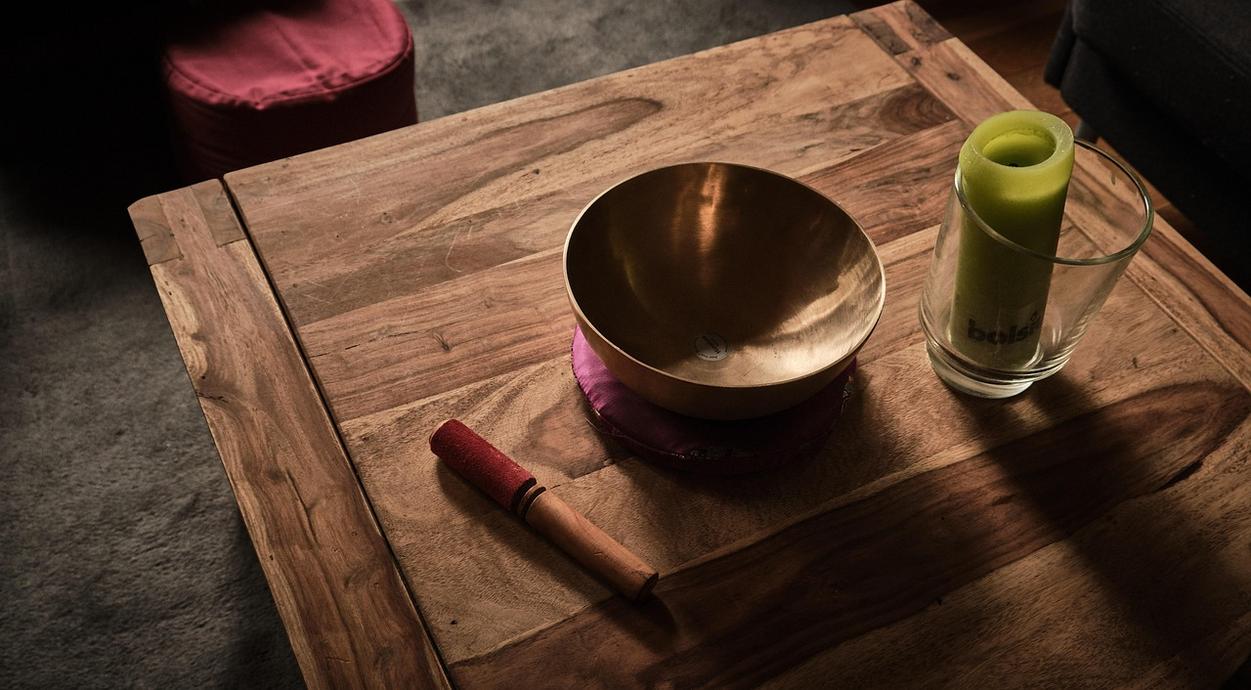
When people hear “morning routine,” they often picture a rigid, color-coded schedule that starts at 5 a.m. (and somehow includes journaling, green juice, and a 10K run). That’s not what we’re doing here.
Think of this as a Pick & Mix menu. In other words, you choose one small action from each category. These are building blocks, not rules. The goal is flexibility — a routine that bends with real life instead of breaking under it.
Mind (5–10 minutes)
This simply means tending to your mental state before the day tends to everyone else. You might listen to an uplifting podcast snippet, read two pages of a book, or sit quietly with your tea or coffee. Silence counts. (Yes, even staring out the window counts.)
Some argue mornings should be “productive.” But mental clarity is productive. Research shows even brief mindfulness practices can reduce stress and improve focus (American Psychological Association, 2019). Five minutes is enough to shift your mood.
Body (5–10 minutes)
Movement doesn’t require a full workout. Try neck rolls, cat-cow stretches, a 5-minute yoga flow from YouTube, or a slow walk around your house or garden.
The term “mobility” simply means keeping your joints moving comfortably. Gentle motion in the morning improves circulation and reduces stiffness (Harvard Health Publishing, 2020). Small effort, noticeable payoff.
Fuel (5 minutes prep)
Decision fatigue — the mental drain from too many choices — starts early. Simplify breakfast. Prep overnight oats, keep a smoothie pack ready to blend, or grab a protein bar and fruit. Done.
Plan (2 minutes)
Finally, glance at the family calendar. Mentally rehearse the day. Confirm dinner. This quick preview prevents 4 p.m. panic.
If your afternoon still feels overwhelming, revisit these 5 simple ways to reset your mind during a busy afternoon.
The beauty of this approach? It turns morning routine ideas into manageable choices — not pressure. And on chaotic days, even one block is a win.
Troubleshooting Your Routine: When Life Happens
Even the best plans unravel (usually before 7 a.m.). The key isn’t perfection—it’s flexibility backed by research.
Problem: “My kids always wake up early and interrupt me.”
Solution: Create a “Plan B” you can do together, like reading side‑by‑side or gentle stretches. Studies show children mirror adult habits; modeling calm activities increases cooperative behavior over time (American Academy of Pediatrics). You’re not losing your routine—you’re adapting it.
Problem: “I’m too exhausted to wake up earlier.”
Solution: Start with bedtime. Research from the CDC links consistent sleep schedules to better mood and cognitive performance. A better morning truly begins the night before (yes, that means screens off sooner).
Problem: “I missed a day and feel like a failure.”
Solution: Follow the “never miss twice” rule. Behavioral science shows habit consistency—not perfection—drives long‑term success (Clear, 2018).
If you’re exploring new morning routine ideas, remember:
- Consistency beats intensity
- Grace fuels progress
Last winter, I hit a wall. Mornings felt like a three-ring circus before 8 a.m., and I was tired ringmaster. A healthy morning routine became my rebellion against burnout. Not perfect—just intentional.
You now have a toolkit of small shifts, including these morning routine ideas, to steady chaos:
Wake 15 minutes earlier for silence.
Prep one thing the night before to reduce friction.
Some say routines box you in. I’ve found opposite: structure creates breathing room (who knew?). Consistency beats perfection—every time.
So choose one tiny step and try it tomorrow morning for you. What’s the worst that could happen?
Make Tomorrow Morning Easier Starting Tonight
You came here looking for realistic ways to create calmer, smoother days for you and your kids. Now you have practical strategies, behavior insights, and simple systems you can actually use.
Mornings feel overwhelming when everyone is rushed, tired, and unsure what comes next. That stress builds quickly—and it can set the tone for the entire day. The good news? Small, consistent changes make a big difference.
Start with a few intentional morning routine ideas that fit your family’s rhythm. Prep the night before. Keep expectations age-appropriate. Create visual cues. Most importantly, keep it simple enough to repeat.
If you’re tired of chaotic mornings and constant reminders, now’s the time to build a routine that works. Thousands of moms are already using these practical strategies to create calmer homes and more cooperative kids.
Don’t wait for the “perfect” week to start. Choose one strategy, try it tomorrow, and build from there. A smoother morning begins with one small change today.
 Vanessa W. has opinions about child wellness and growth insights. Informed ones, backed by real experience — but opinions nonetheless, and they doesn't try to disguise them as neutral observation. They thinks a lot of what gets written about Child Wellness and Growth Insights, Daily Digest, Time-Saving Routines for Busy Moms is either too cautious to be useful or too confident to be credible, and they's work tends to sit deliberately in the space between those two failure modes.
Reading Vanessa's pieces, you get the sense of someone who has thought about this stuff seriously and arrived at actual conclusions — not just collected a range of perspectives and declined to pick one. That can be uncomfortable when they lands on something you disagree with. It's also why the writing is worth engaging with. Vanessa isn't interested in telling people what they want to hear. They is interested in telling them what they actually thinks, with enough reasoning behind it that you can push back if you want to. That kind of intellectual honesty is rarer than it should be.
What Vanessa is best at is the moment when a familiar topic reveals something unexpected — when the conventional wisdom turns out to be slightly off, or when a small shift in framing changes everything. They finds those moments consistently, which is why they's work tends to generate real discussion rather than just passive agreement.
Vanessa W. has opinions about child wellness and growth insights. Informed ones, backed by real experience — but opinions nonetheless, and they doesn't try to disguise them as neutral observation. They thinks a lot of what gets written about Child Wellness and Growth Insights, Daily Digest, Time-Saving Routines for Busy Moms is either too cautious to be useful or too confident to be credible, and they's work tends to sit deliberately in the space between those two failure modes.
Reading Vanessa's pieces, you get the sense of someone who has thought about this stuff seriously and arrived at actual conclusions — not just collected a range of perspectives and declined to pick one. That can be uncomfortable when they lands on something you disagree with. It's also why the writing is worth engaging with. Vanessa isn't interested in telling people what they want to hear. They is interested in telling them what they actually thinks, with enough reasoning behind it that you can push back if you want to. That kind of intellectual honesty is rarer than it should be.
What Vanessa is best at is the moment when a familiar topic reveals something unexpected — when the conventional wisdom turns out to be slightly off, or when a small shift in framing changes everything. They finds those moments consistently, which is why they's work tends to generate real discussion rather than just passive agreement.