Between school, homework, and endless screen time, finding ways to keep your child moving can feel like an uphill battle. Many parents worry that kids today are becoming more sedentary, trading outdoor adventures for tablets and TVs. The challenge isn’t knowing that movement matters — it’s making physical activity for children feel exciting instead of like another chore.
This guide is here to help. You’ll discover simple, fun, and age-appropriate ways to weave exercise into everyday family life without resistance or overwhelm. By the end, you’ll have a practical toolkit of easy strategies to boost your child’s health, energy, and happiness through joyful movement.
More Than Just Burning Energy: The Lifelong Benefits of Active Play
Physical Health Pillar
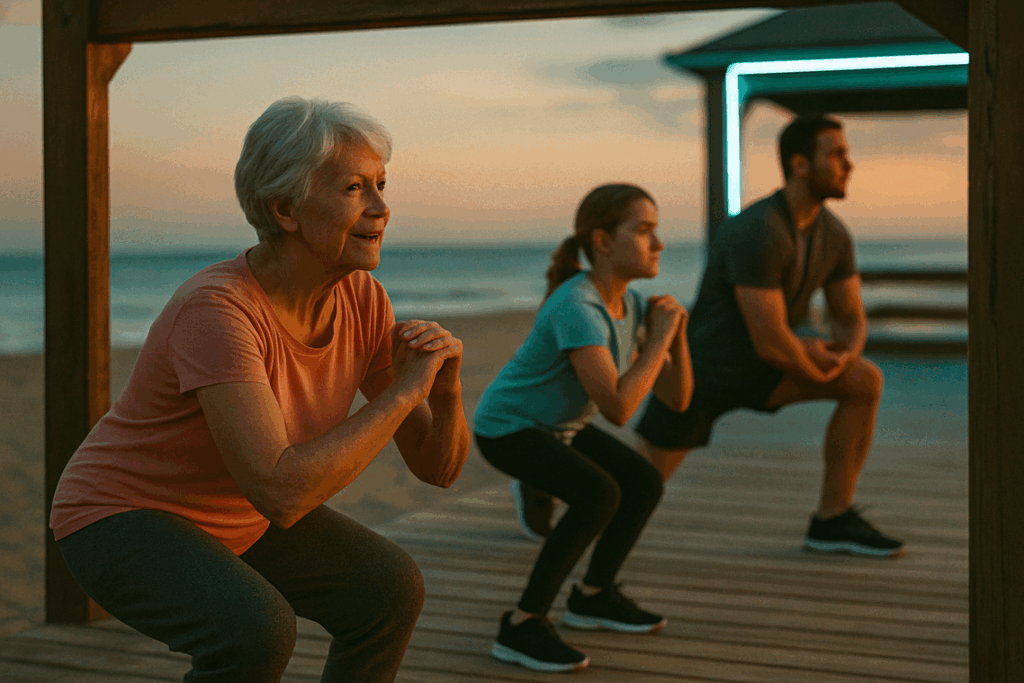
Active play does far more than tire kids out before bedtime. It builds strong bones and muscles, supports healthy weight maintenance, and improves cardiovascular health (the heart and lungs working efficiently). According to the CDC, regular movement strengthens bone density and reduces the risk of chronic disease later in life. In simple terms: today’s playground time protects tomorrow’s health. The real win? More stamina for everything else they love.
Mental and Emotional Boost
The benefits aren’t just physical. physical activity for children is linked to reduced stress, improved mood, and sharper focus in school. Harvard Health notes that exercise increases endorphins—often called “feel-good hormones.” That post-soccer smile? Science. Kids who move regularly also report higher self-esteem (confidence built through action).
Social Skill Development
Team sports and playground games teach cooperation, communication, and resilience. Learning to lose gracefully or pass the ball builds life skills that last well beyond recess. Pair active days with good sleep habits by understanding sleep needs by age group to maximize these gains.
Tailoring Playtime: Fun Exercises for Every Age Group
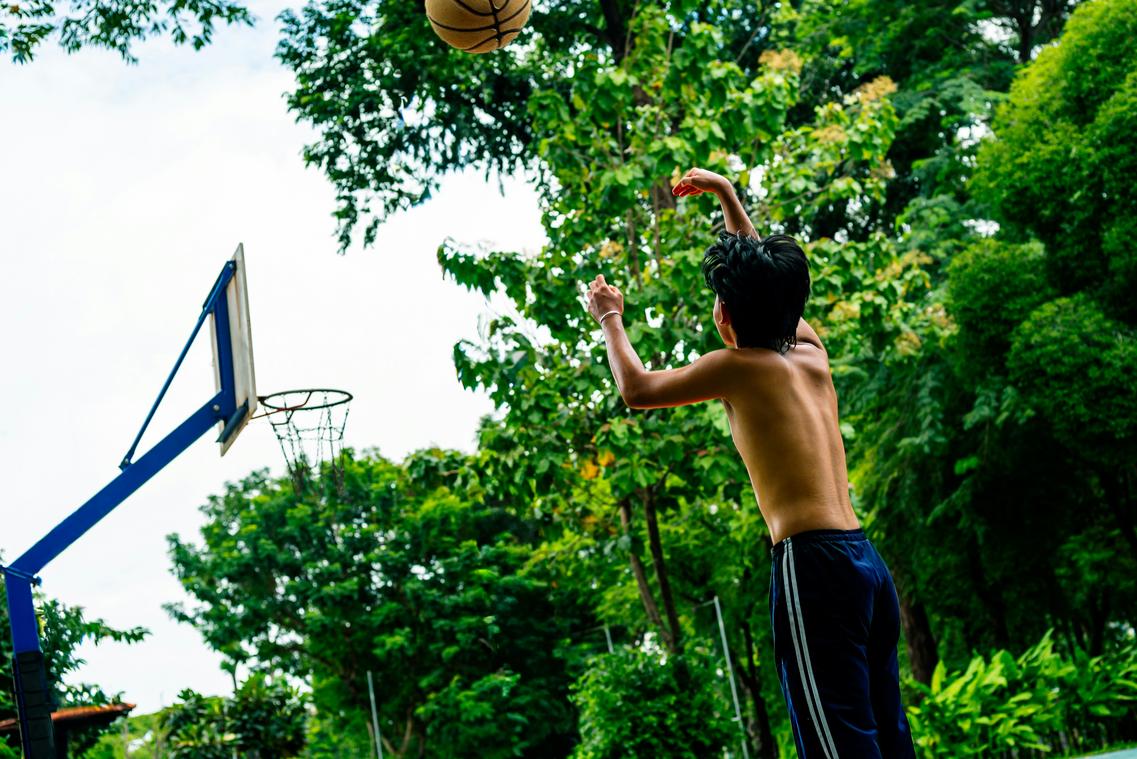
Play looks different at every stage of childhood—and it should. The goal isn’t just to burn energy (though that helps before bedtime); it’s to match movement with growing bodies and curious minds.
-
Toddlers (Ages 1–3)
At this age, the world is soft, wobbly, and wonderfully new. Focus on developing motor skills through playful exploration. Try animal walks—crawling like a bear with palms pressing into the carpet or hopping like a frog across cool kitchen tiles. Build block towers and let them tumble with a satisfying clatter. Roll a plush ball back and forth and listen for the giggles that follow each slightly off-target toss. These small motions lay the groundwork for balance and coordination. -
Preschoolers (Ages 3–5)
Now imagination bursts onto the scene. Set up a scavenger hunt where little feet patter across the floorboards hunting for a “shiny treasure.” Create obstacle courses with couch cushions to climb and tunnels of blankets that smell faintly like fresh laundry. Turn up lively music and host a living room dance party—twirling, stomping, spinning until cheeks glow pink. Movement becomes storytelling in motion. -
School-Aged Kids (Ages 6–10)
With stronger muscles and sharper focus, introduce skill-based challenges. The whir of bike tires on pavement, the snap of a jump rope hitting the sidewalk, or the cheer after a first soccer goal builds confidence. Fort-building projects with sturdy chairs and cool sheets encourage teamwork and strategy.
Thoughtfully planned physical activity for children doesn’t just strengthen bodies—it fills homes with laughter, thudding footsteps, and the sweet sound of growing independence.
Building lifelong habits rarely starts with a grand fitness plan. It starts at home. Kids copy what they see, so if you lace up your sneakers for a quick walk, they notice. If you flop on the couch every evening, they notice that too (yes, even when you think they don’t). Some parents argue they’re too busy or too tired to model movement. Fair. Modern life is full. But modeling doesn’t require marathon training; it can be a ten‑minute dance break in the kitchen.
Block “active time” on the family calendar like any appointment. A post-dinner stroll or Saturday park visit signals that movement matters. Critics say scheduling play makes it feel forced. Actually, structure creates consistency, and consistency builds habits.
You can also sneak motion into chores. Race to tidy toys. Turn raking leaves into a family challenge. Suddenly, ordinary tasks support physical activity for children without anyone calling it exercise.
Most importantly, keep the spotlight on fun, not form. Joy beats perfection every time. The goal isn’t elite performance; it’s positive association. Pro tip: let your child choose the activity once a week to boost buy-in. When movement feels playful, it sticks for life for years to come.
Navigating Modern Hurdles: Overcoming Screen Time and Small Spaces
The Screen Time Swap
Banning screens outright (good luck with that) often backfires. A swap system works better: passive scrolling vs. earned, active play. Instead of unlimited tablets, kids can earn minutes through movement. Think 20 minutes of outdoor tag = 20 minutes of a favorite show. Or compare standard gaming vs. active gaming—dance battles, virtual sports, or fitness challenges that get hearts pumping. Research from the American Academy of Pediatrics emphasizes balance over prohibition, noting that structured limits are more sustainable than strict bans (AAP, 2023). Pro tip: set a visible timer so kids see the trade-off in real time.
Small Space, Big Fun
No yard? No problem. Backyard vs. living room creativity comes down to setup, not square footage. Try:
- Indoor obstacle courses with pillows and tape lines
- Balloon volleyball (zero broken lamps, mostly)
- Yoga or stretch sessions for physical activity for children
- A cleared-out dance corner for five-song parties
Weather-Proofing Your Plans
Rainy day? Compare canceling plans vs. pivoting indoors. Keep a short list ready:
- Indoor play gyms
- Trampoline parks
- Hallway scavenger hunts
- Freeze dance competitions
When movement becomes non-negotiable, excuses shrink (even if your space doesn’t grow).
Incorporating physical activity into a child’s daily routine not only fosters their physical development but also offers busy moms an opportunity to reflect on the importance of balance in their own lives, as explored in our companion piece, ‘Weekly Reflection Guide for Moms Who Want More Balance.’
Your Next Step to a Healthier, Happier Family
You came here looking for a better way to support your child’s health—and now you know it’s not about pressure or perfection. It’s about helping them discover the joy in movement and making physical activity for children a natural, happy part of everyday life.
Even with limited space, busy schedules, and constant screen-time temptations, an active lifestyle is possible. The key is consistency, creativity, and keeping it fun.
Start small. Pick just one idea from this article and try it with your family this week. Small, consistent steps create lasting change. Join thousands of moms building healthier routines—take that first step today.
 Susan K. is the kind of writer who genuinely cannot publish something without checking it twice. Maybe three times. They came to child wellness and growth insights through years of hands-on work rather than theory, which means the things they writes about — Child Wellness and Growth Insights, Tips on Positive Behavior Strategies, Time-Saving Routines for Busy Moms, among other areas — are things they has actually tested, questioned, and revised opinions on more than once.
That shows in the work. Susan's pieces tend to go a level deeper than most. Not in a way that becomes unreadable, but in a way that makes you realize you'd been missing something important. They has a habit of finding the detail that everybody else glosses over and making it the center of the story — which sounds simple, but takes a rare combination of curiosity and patience to pull off consistently. The writing never feels rushed. It feels like someone who sat with the subject long enough to actually understand it.
Outside of specific topics, what Susan cares about most is whether the reader walks away with something useful. Not impressed. Not entertained. Useful. That's a harder bar to clear than it sounds, and they clears it more often than not — which is why readers tend to remember Susan's articles long after they've forgotten the headline.
Susan K. is the kind of writer who genuinely cannot publish something without checking it twice. Maybe three times. They came to child wellness and growth insights through years of hands-on work rather than theory, which means the things they writes about — Child Wellness and Growth Insights, Tips on Positive Behavior Strategies, Time-Saving Routines for Busy Moms, among other areas — are things they has actually tested, questioned, and revised opinions on more than once.
That shows in the work. Susan's pieces tend to go a level deeper than most. Not in a way that becomes unreadable, but in a way that makes you realize you'd been missing something important. They has a habit of finding the detail that everybody else glosses over and making it the center of the story — which sounds simple, but takes a rare combination of curiosity and patience to pull off consistently. The writing never feels rushed. It feels like someone who sat with the subject long enough to actually understand it.
Outside of specific topics, what Susan cares about most is whether the reader walks away with something useful. Not impressed. Not entertained. Useful. That's a harder bar to clear than it sounds, and they clears it more often than not — which is why readers tend to remember Susan's articles long after they've forgotten the headline.