
If you’re here, you’re likely searching for clear, practical guidance on children sleep needs—how much rest your child actually requires, why it matters, and how to make it happen in real life. Between growth spurts, mood swings, school demands, and endless bedtime delays, it can be hard to know what’s normal and what needs attention.
This article breaks down age-by-age sleep requirements, explains the science behind healthy sleep patterns, and offers realistic routines you can start using tonight. We’ve reviewed pediatric sleep recommendations and child development research to ensure the guidance is accurate, practical, and aligned with what truly supports your child’s well-being.
By the end, you’ll understand how sleep affects behavior, focus, immunity, and emotional balance—and feel confident creating a routine that works for your family.
Is Your Child Getting Enough Sleep? A Modern Parent’s Guide
Is my child sleeping enough? Every parent has whispered this at 2 a.m. (usually while Googling conflicting advice). The truth is, decoding children sleep needs can feel overwhelming.
This guide cuts through the noise with clear, age-specific recommendations and practical routines rooted in child wellness principles.
What’s changing? Experts predict earlier school start times and rising screen use may increase sleep challenges in the next decade (speculation, but trends suggest it).
- Toddlers: 11–14 hours daily
- Preschoolers: 10–13 hours
- School-age kids: 9–12 hours
Build consistent bedtime cues and adjust confidently.
Why a Full Night’s Rest is Non-Negotiable for Growth
Sleep isn’t just about preventing morning meltdowns (though that’s a bonus). It’s a critical biological process that fuels your child’s development in ways you can’t see. During sleep, the brain organizes and stores information from the day—a process called memory consolidation. This is how toddlers remember new words and preschoolers master puzzles. In fact, research from the National Sleep Foundation shows consistent sleep improves attention, behavior, and learning outcomes.
Deep sleep also triggers the release of growth hormone, which supports bone, muscle, and tissue development. The CDC notes that adequate rest strengthens immune response, helping kids fight common illnesses.
Emotionally, well-rested children regulate feelings more effectively. When kids meet their children sleep needs, they’re better equipped to share, cope with frustration, and adapt socially. Think of sleep as overnight brain and body maintenance.
If bedtime battles are common, focus on consistent routines and earlier wind-down periods—they make a measurable difference.
Decoding Toddler Sleep Needs (Ages 1–2)
I remember the week my 18-month-old decided 5:00 a.m. was the new morning. He was cranky, I was living on cold coffee, and everything felt harder than it should. That’s when I realized I hadn’t fully understood children sleep needs at this stage.
The Magic Number
Toddlers between 1 and 2 years old typically need 11–14 hours of total sleep per 24-hour period (American Academy of Sleep Medicine). Some land on the lower end, others need more (just like adults and their coffee tolerance).
Night vs. Nap
Most toddlers shift to:
- 10–12 hours at night
- 1 consolidated daytime nap lasting 1–3 hours
This single nap usually replaces the two shorter infant naps. Transitions can feel bumpy at first (expect a week or two of trial and error).
Signs of Sufficient Sleep
When sleep is on track, you’ll likely notice:
- Waking up happy or chatting in the crib
- Steady energy throughout the day
- Falling asleep within 10–20 minutes at bedtime
In our house, easy bedtimes were the clearest clue. If stories ended and lights went out without protest, we were in a good rhythm.
Red Flags for Sleep Deprivation
On the flip side, watch for:
- Frequent meltdowns over small things
- Clumsiness or extra falls
- Hyperactivity before bed (that “wired but tired” look)
Interestingly, overtired toddlers often resist sleep the most.
Actionable Tip: Keep It Simple
A consistent routine signals safety and predictability. Try bath, book, bed in the same order each night. Over time, their brain links those cues with sleep (like Pavlov, but cuter).
And remember, rest also supports immunity—learn more about how to support strong immune health in children.
Navigating Preschooler Sleep Patterns (Ages 3–5)
The Evolving Schedule
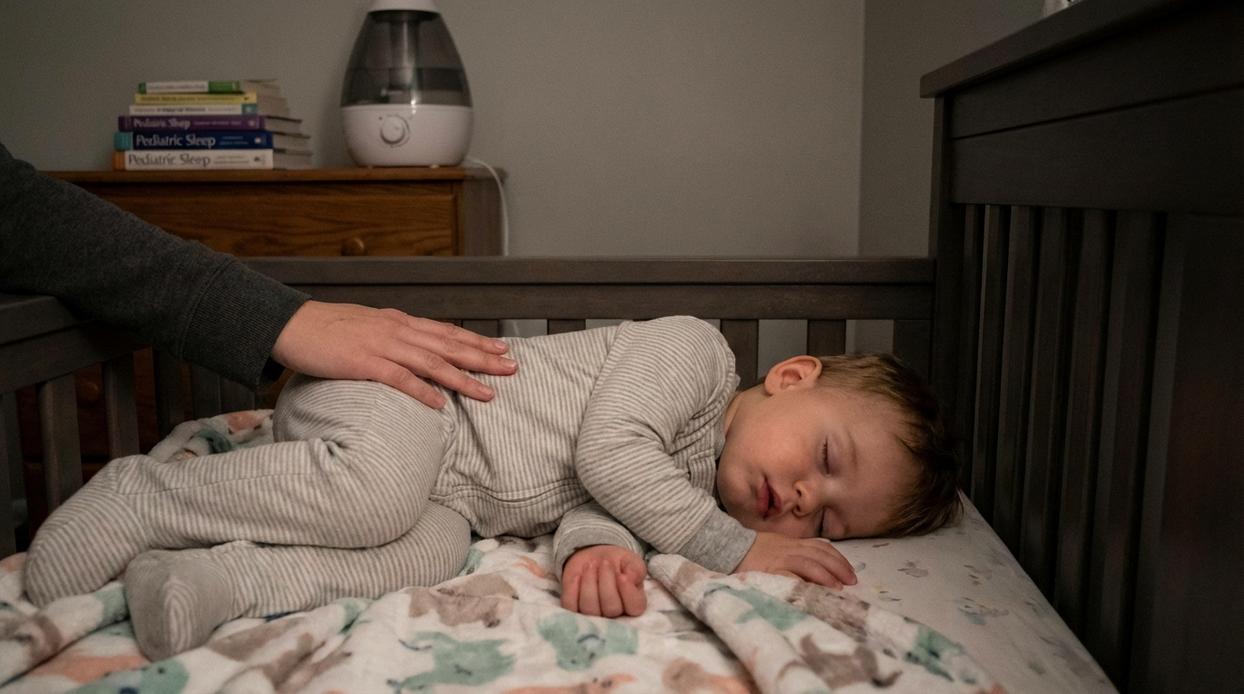
Between ages 3–5, most preschoolers need 10–13 hours of sleep per 24-hour period, according to the American Academy of Sleep Medicine (2016). That total may include a nap—but here’s the twist: many kids begin phasing naps out during this stage. This shift can feel bittersweet (goodbye, quiet afternoons), yet aligning sleep with children sleep needs helps improve mood, focus, and immune health. Well-rested preschoolers are more cooperative, more resilient, and yes—less likely to melt down over the wrong color cup.
The Nap Dilemma
How do you know they’re ready to drop the nap? Look for signs like taking 45+ minutes to fall asleep at night, consistently resisting naps, or staying cheerful all afternoon without crashing. If bedtime keeps creeping later, the nap may be the culprit. Instead of eliminating rest altogether, introduce “quiet time.” This is a calm, independent play period in their room with books or puzzles. The benefit? You preserve downtime (for both of you) while protecting nighttime sleep. Pro tip: Use a simple timer or color-changing clock so they know when quiet time ends.
Common Challenges
Nightmares and bedtime fears—like the classic “monster under the bed”—often surface now. These fears feel very real to them (thanks, imagination). Reassure briefly, check the room together, and offer a soft nightlight. Avoid lengthy conversations that accidentally reward stalling tactics.
Behavioral Strategies That Work
A visual bedtime chart outlining bath, pajamas, story, and lights-out builds predictability. Predictability builds security. And security? That’s the secret ingredient for smoother nights and brighter mornings.
Creating the Perfect Sleep Environment
Think of your child’s bedroom as a “sleep cave.” In other words, it should feel cool, dark, and quiet—like a cozy retreat tucked away from the buzz of daily life (yes, even if you live near a busy suburban intersection or a noisy apartment hallway). Pediatric sleep specialists consistently note that environment directly impacts melatonin production and overall rest quality (National Sleep Foundation).
To align with children sleep needs, focus on these essentials:
- Light Control: Install blackout curtains to block streetlights, early sunrises, or passing car headlights. Even small light leaks can interfere with melatonin, the hormone that regulates sleep.
- Sound Management: Use a white noise machine to mask barking dogs, HVAC hums, or late-night dishwasher cycles.
- Tech-Free Zone: Remove tablets and TVs. Blue light suppresses melatonin and delays sleep cycles (Harvard Health Publishing).
Granted, some parents argue kids “sleep anywhere.” However, consistent cues signal the brain it’s time to rest—and that consistency pays off.
Last year, I remember standing in the hallway at 2 a.m., listening to my child call out again, wondering what I was missing. That exhaustion was real—but so was the turning point when I finally understood children sleep needs and built our evenings around them. Sleep isn’t a luxury; it’s the quiet architect of mood, focus, and growth (yes, even for us).
Sleep challenges are common, but consistency changes everything.
- Choose one calming routine and repeat it nightly.
Tonight, try one new strategy. Small steps, steady rhythms, lasting rest. Trust the process and watch your family thrive. With patience.
As we dive into the nuances of sleep requirements at different life stages, it’s also worth exploring practical strategies to improve family well-being in our related article, “Hacks Whatutalkingboutfamily.
Helping Your Child Sleep Better Starts Tonight
You came here looking for clarity about children sleep needs and how to better support your child’s rest. Now you understand how sleep impacts mood, focus, growth, and overall well-being — and why small, consistent changes can make a big difference.
When your child is overtired, everything feels harder. The meltdowns, bedtime battles, and exhausting mornings take a toll on the whole family. But when you align routines with real children sleep needs, you create calmer evenings, smoother mornings, and a happier, more regulated child.
The next step is simple: choose one sleep-supporting habit and start tonight. Whether it’s setting a consistent bedtime, creating a wind-down routine, or adjusting screen time, small actions lead to powerful results.
If you’re ready to stop guessing and finally solve bedtime struggles, explore our proven, mom-tested sleep strategies trusted by thousands of families. Start today and give your child the restful nights they deserve — and give yourself the peace that comes with them.
 Vanessa W. has opinions about child wellness and growth insights. Informed ones, backed by real experience — but opinions nonetheless, and they doesn't try to disguise them as neutral observation. They thinks a lot of what gets written about Child Wellness and Growth Insights, Daily Digest, Time-Saving Routines for Busy Moms is either too cautious to be useful or too confident to be credible, and they's work tends to sit deliberately in the space between those two failure modes.
Reading Vanessa's pieces, you get the sense of someone who has thought about this stuff seriously and arrived at actual conclusions — not just collected a range of perspectives and declined to pick one. That can be uncomfortable when they lands on something you disagree with. It's also why the writing is worth engaging with. Vanessa isn't interested in telling people what they want to hear. They is interested in telling them what they actually thinks, with enough reasoning behind it that you can push back if you want to. That kind of intellectual honesty is rarer than it should be.
What Vanessa is best at is the moment when a familiar topic reveals something unexpected — when the conventional wisdom turns out to be slightly off, or when a small shift in framing changes everything. They finds those moments consistently, which is why they's work tends to generate real discussion rather than just passive agreement.
Vanessa W. has opinions about child wellness and growth insights. Informed ones, backed by real experience — but opinions nonetheless, and they doesn't try to disguise them as neutral observation. They thinks a lot of what gets written about Child Wellness and Growth Insights, Daily Digest, Time-Saving Routines for Busy Moms is either too cautious to be useful or too confident to be credible, and they's work tends to sit deliberately in the space between those two failure modes.
Reading Vanessa's pieces, you get the sense of someone who has thought about this stuff seriously and arrived at actual conclusions — not just collected a range of perspectives and declined to pick one. That can be uncomfortable when they lands on something you disagree with. It's also why the writing is worth engaging with. Vanessa isn't interested in telling people what they want to hear. They is interested in telling them what they actually thinks, with enough reasoning behind it that you can push back if you want to. That kind of intellectual honesty is rarer than it should be.
What Vanessa is best at is the moment when a familiar topic reveals something unexpected — when the conventional wisdom turns out to be slightly off, or when a small shift in framing changes everything. They finds those moments consistently, which is why they's work tends to generate real discussion rather than just passive agreement.