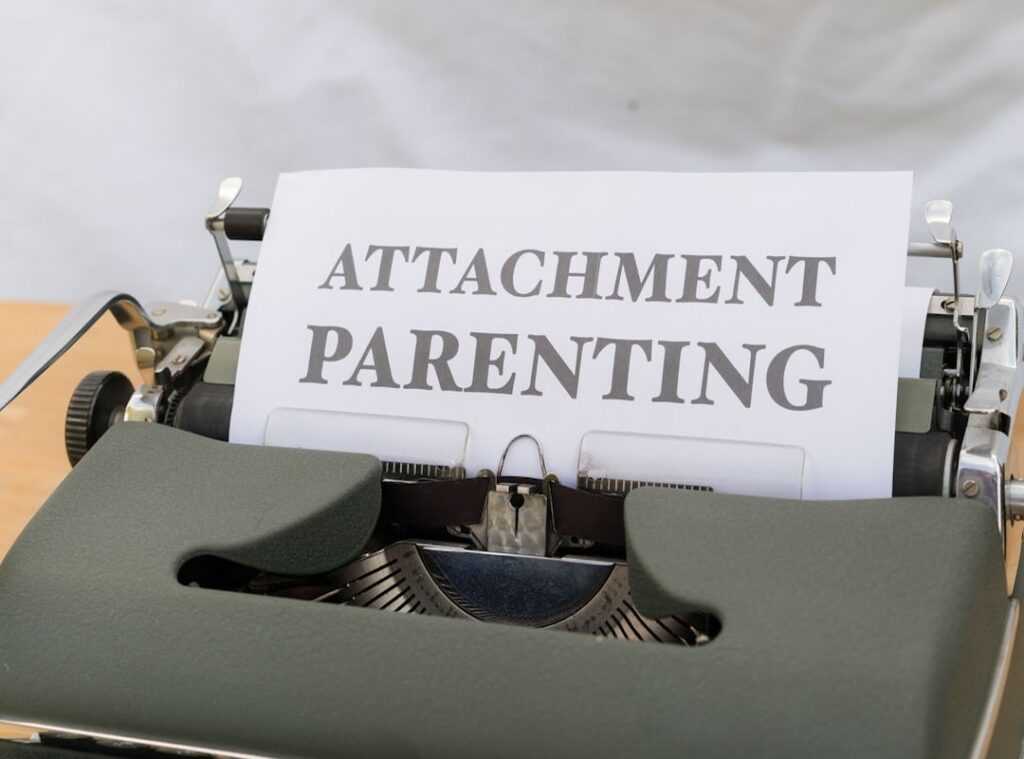

You’re tired of scrolling through parenting advice that contradicts itself.
One expert says be firm. Another says be soft. A third says ignore the problem entirely.
I’ve been there. And I’m done pretending it’s normal to feel this drained every single day.
This isn’t theory. These are real strategies I’ve used with families just like yours. Over and over.
Until they stuck.
They work because they’re simple. Not perfect. Not magical.
Just clear.
You’ll walk away with Fpmomhacks Parenting Advice by Famousparenting (no) fluff, no jargon, no guilt-trips.
Try one today. Watch what changes.
I’ve seen it happen hundreds of times.
You don’t need more advice. You need the right moves. And you’ll get them here.
Connection Before Correction: How to Get Your Kid to Hear You
I used to yell. Then I got tired. Then I tried something else.
this article taught me one thing that changed everything: Connection before correction.
You don’t fix behavior by shutting down feelings. You fix it by naming them first.
Before: “Stop whining!”
After: “I can hear you’re really upset about leaving the park. It’s hard to leave when you’re having fun.”
That second version isn’t soft. It’s strategic. It lands because it’s true.
Kids don’t listen when they feel invisible. They listen when they feel seen.
Here’s what most parents miss: “You always…” starts a fight. “I feel…” starts a conversation.
Try this: “I feel worried when you run near the street.”
Not: “You never listen to me!”
The first one names your boundary without blaming their character. The second one shuts the door.
Also. Lower your voice. Seriously.
Whisper if you have to.
A calm tone signals safety. A yell triggers threat response. Your kid literally can’t process logic when their nervous system is flooded.
Pro tip: If you catch yourself raising your voice, pause. Breathe. Then drop your volume before you speak again.
It feels weird at first. Like talking to a spy. (Which, let’s be real (sometimes) you are.)
Fpmomhacks Parenting Advice by Famousparenting works because it skips theory and gives you lines you can use today.
You don’t need perfect words. You need one honest sentence that says: I see you. I’m here.
That’s the foundation. Everything else builds from there.
Start there. Not later. Now.
Beyond Timeouts: Boundaries That Actually Stick
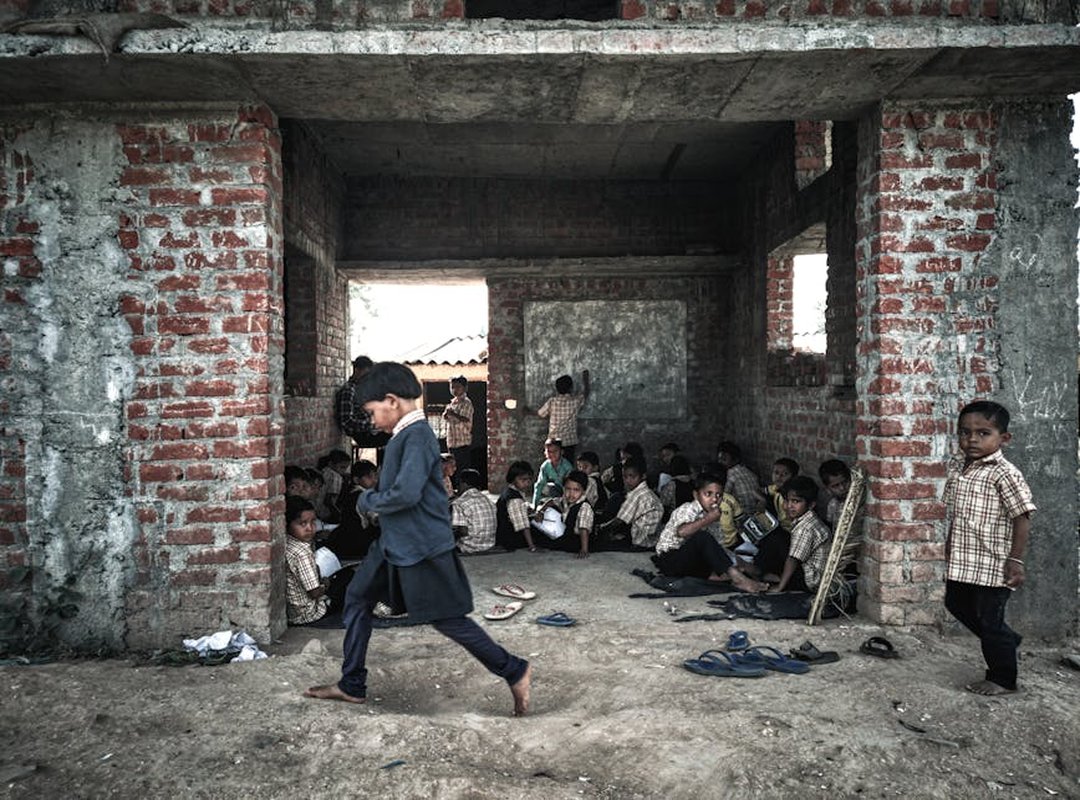
I stopped calling it “discipline” years ago. It’s teaching. Plain and simple.
When my kid throws cereal across the kitchen, I don’t yell. I say: “You’re done eating. Let’s clean this up together.”
That’s not punishment.
It’s showing cause and effect in real time.
Natural consequences work. If you let them. If they forget their rain jacket?
I go into much more detail on this in Relationship Advice.
They get damp. Not soaked. Not shivering.
Just damp enough to remember next time. (Yes, I checked the weather first. Safety isn’t optional.)
That’s different from letting them learn by getting hit by a car. There’s a line. You hold it.
Logical consequences are tied directly to the behavior. Crayons on the table? They wipe it before screen time resumes.
No debate. No bargaining. Just clean, then play.
I used to think consistency meant being rigid. It doesn’t. It means following through (even) when I’m tired, even when it’s inconvenient, even when they cry.
Here’s what most parents miss: boundaries aren’t about control. They’re about clarity. Kids feel safer when they know what happens next.
Want to apply this outside parenting? Try looking at your own relationships. How often do you enforce limits with partners or friends (or) do you just hope things improve?
That’s where Relationship Advice Fpmomhacks helps. It’s not about fixing people. It’s about naming what you’ll tolerate.
And sticking to it.
Firm, fair, and effective is the combo. Not firm or fair or effective. All three.
If you skip one, the whole thing unravels. Skip fair? You breed resentment.
Skip firm? You teach that rules are suggestions. Skip effective?
You’re just exhausting yourself.
You can read more about this in Fpmomhacks parenting hacks from famousparenting.
I tried timeout-only for six months.
My kid got better at hiding feelings (not) better at self-regulation.
Now we name emotions before the mess happens. “We’re leaving the park in two minutes. How do you want to say goodbye to the swings?”
Fpmomhacks Parenting Advice by Famousparenting nailed this early: kids don’t need fewer limits. They need limits that make sense.
You don’t have to be perfect.
Just consistent.
Start small. Pick one behavior this week. Tie it to one clear, logical consequence.
Do it three days straight. Watch what changes.
It won’t feel natural at first. That’s okay. Neither did riding a bike.
You’re Done With Guesswork
I’ve been there. Standing in the cereal aisle at 7 a.m., trying to decide if “organic” means anything or if screen time rules are just theater.
You don’t need more theories. You need Fpmomhacks Parenting Advice by Famousparenting (real) moves, not mantras.
This isn’t about perfection. It’s about fewer meltdowns. Less second-guessing.
More breathing room.
You opened this because something’s not working. Bedtime? Sibling fights?
That voice in your head saying “Am I messing this up?”
Yeah. Me too.
So stop scrolling for answers that sound nice but don’t stick.
Go use Fpmomhacks Parenting Advice by Famousparenting now.
It’s the #1 rated parenting resource for parents who want action. Not applause.
Click. Read one hack. Try it tonight.
Your kid won’t notice the change.
But you will.
 James Raynerovans writes the kind of child wellness and growth insights content that people actually send to each other. Not because it's flashy or controversial, but because it's the sort of thing where you read it and immediately think of three people who need to see it. James has a talent for identifying the questions that a lot of people have but haven't quite figured out how to articulate yet — and then answering them properly.
They covers a lot of ground: Child Wellness and Growth Insights, Tips on Positive Behavior Strategies, Time-Saving Routines for Busy Moms, and plenty of adjacent territory that doesn't always get treated with the same seriousness. The consistency across all of it is a certain kind of respect for the reader. James doesn't assume people are stupid, and they doesn't assume they know everything either. They writes for someone who is genuinely trying to figure something out — because that's usually who's actually reading. That assumption shapes everything from how they structures an explanation to how much background they includes before getting to the point.
Beyond the practical stuff, there's something in James's writing that reflects a real investment in the subject — not performed enthusiasm, but the kind of sustained interest that produces insight over time. They has been paying attention to child wellness and growth insights long enough that they notices things a more casual observer would miss. That depth shows up in the work in ways that are hard to fake.
James Raynerovans writes the kind of child wellness and growth insights content that people actually send to each other. Not because it's flashy or controversial, but because it's the sort of thing where you read it and immediately think of three people who need to see it. James has a talent for identifying the questions that a lot of people have but haven't quite figured out how to articulate yet — and then answering them properly.
They covers a lot of ground: Child Wellness and Growth Insights, Tips on Positive Behavior Strategies, Time-Saving Routines for Busy Moms, and plenty of adjacent territory that doesn't always get treated with the same seriousness. The consistency across all of it is a certain kind of respect for the reader. James doesn't assume people are stupid, and they doesn't assume they know everything either. They writes for someone who is genuinely trying to figure something out — because that's usually who's actually reading. That assumption shapes everything from how they structures an explanation to how much background they includes before getting to the point.
Beyond the practical stuff, there's something in James's writing that reflects a real investment in the subject — not performed enthusiasm, but the kind of sustained interest that produces insight over time. They has been paying attention to child wellness and growth insights long enough that they notices things a more casual observer would miss. That depth shows up in the work in ways that are hard to fake.