

Feeling overwhelmed by endless negotiations and power struggles at home? You’re not alone. Many parents face this chaos, searching for ways to restore peace. this guide comes in.
It’s all about creating a calm, consistent home with clear guidelines. Why is this key? Because when you set boundaries children understand, it builds respect and security.
I know it sounds simple, but the impact is huge. You’ll find takeaways from child development experts and real-world experiences of parents who’ve succeeded with this approach. This isn’t just generic advice.
You’ll get a practical, step-by-step plan full of actionable techniques to establish and maintain family rules. Trust me, setting guidelines is an act of love. It gives children the stability they need to thrive.
Ready to transform your home?
Guidelines: A Gift, Not a Cage
Guidelines can feel restrictive, right? But think about them like the walls of a house. They protect us, offer safety, and create a space where kids can truly thrive.
When you set boundaries children feel more secure. They know what to expect, which reduces anxiety and helps them develop self-discipline.
Imagine playing a sport without rules. Chaos, right? Rules make the game fun and fair.
Family life is no different. Structure is important. It’s not about control; it’s about creating a positive environment.
For parents, this means less stress and fewer power struggles. It’s no fun arguing all the time. With clear guidelines, you can focus on building a more connected relationship with your child.
The benefits are real. Kids feel safe and parents feel less overwhelmed. Think of it as managing tantrums patience empathy.
By setting clear boundaries, you’re not just avoiding meltdowns. You’re teaching kids how to get through life calmly and confidently. Want more on this?
Check out managing tantrums patience empathy.
Pro tip: Consistency is key. Stick to the guidelines and watch how your family life transforms. Isn’t that what we all want?
A home where everyone feels supported and understood.
Building Family Guidelines: Simplifying the Chaos
Setting family rules can feel like trying to build a house from a pile of bricks without a blueprint. Where do you even start? For me, breaking it down into key areas makes the whole task more manageable (and a lot less stressful).
When it comes to morning and bedtime routines, the goal is to reduce friction. Simple rules like “Brush teeth before screen time” or “PJs on before story time” make a world of difference. Routines create predictability, and let’s face it, everyone functions better with a little routine.
Next up: screen time. It’s a hot topic. In our house, it’s straightforward.
All devices are off at the dinner table. One hour of screen time comes after homework. Why?
Because better sleep and more family time aren’t just buzzwords. They’re important. When you set boundaries children, you’re actually giving them the tools to thrive.
Chores and responsibilities might seem like a drag, but I like to frame them as family contributions. A 4-year-old can easily put toys away. A 9-year-old?
They can set the table. It’s all about age-appropriate tasks. This isn’t child labor; it’s about empowering kids and teaching them life skills.
And, it makes family life run smoother.
Safety and respect should be the cornerstone of any family’s blueprint. I’m not just talking physical safety (though “Hold a grown-up’s hand in the parking lot” is non-negotiable). Emotional safety matters too.
Using kind words, asking before borrowing. These are the little things that build a respectful home environment. , these guidelines aren’t about control. They’re about keeping everyone safe and feeling respected.
And really, isn’t that what family is all about?
The 4 Cs of Crafting Sticky Guidelines
Setting boundaries for children is no walk in the park. I’ve learned the hard way that it needs a method. Enter the 4 Cs.
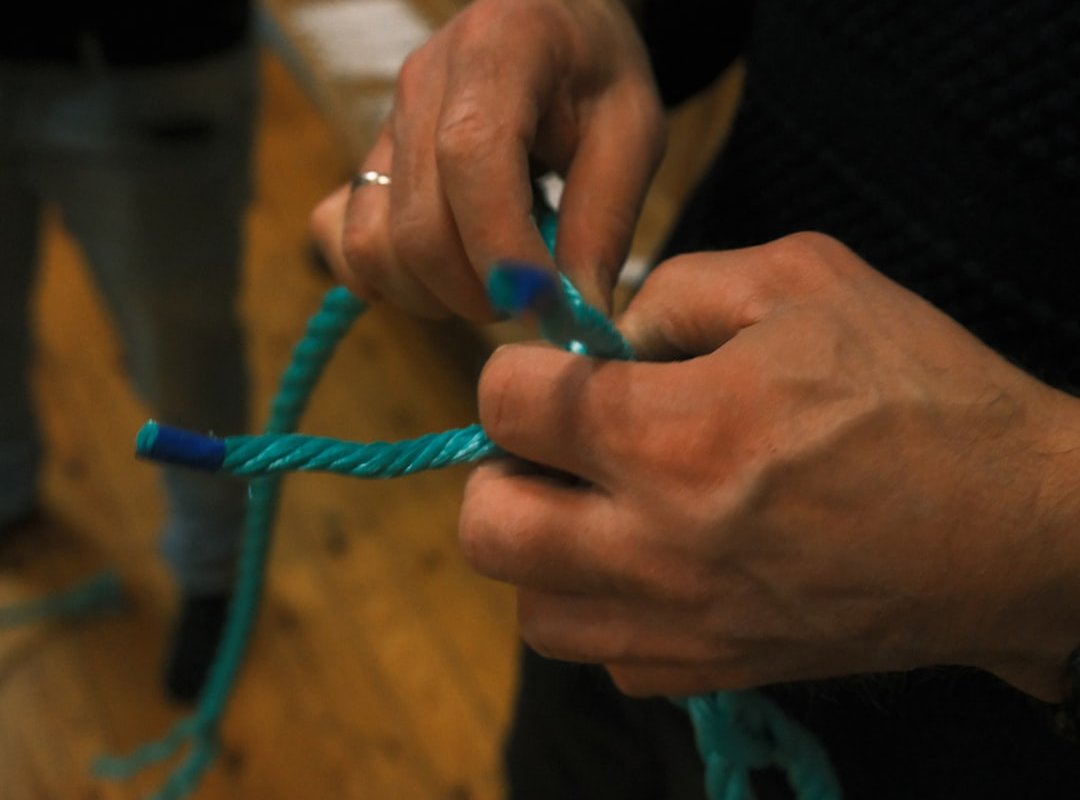
First up, we have Clear. Rules can’t be vague. “Be good” is like saying nothing. “Use gentle hands with your brother”. Now that’s a rule you can wrap your head around.
Next, we tackle Consistent. Without consistency, you’re inviting chaos. Let’s face it, kids are boundary testers.
The moment you falter, they’re on it. But don’t beat yourself up if you slip. We all do.
Aim for consistency and you’ll find stability.
Then there’s Collaborative. Involving kids in rule-making is like magic. It gets them invested.
A simple question like, “What do we think is a fair rule about cleaning up our toys?” can do wonders. It’s not just about them following rules; it’s about teaching responsibility. A skill they’ll thank you for later.
Finally, let’s talk Consequential. This one trips people up. Punishment isn’t the goal.
It’s about logical outcomes. If a child leaves their bike out, they lose riding privileges the next day. Makes sense, right?
It ties the consequence to the action. You’re teaching them responsibility, not instilling fear.
Binding these all together is key (and yes, I slipped in one of those words). Could you imagine setting guidelines without following these steps? Probably not.
They’d fall apart faster than a cheap toy on Christmas morning.
If you’re looking for more on this subject, check out how effective positive reinforcement techniques can play a role. It’s not all about rules, after all. It’s about creating an environment where rules mean something and kids flourish.
The lessons I’ve learned from mistakes are what helped shape this approach. It’s not perfect, but it’s a system. And sometimes, a system is all you need to set boundaries that stick.
When They Push Back: Navigating Common Challenges
It’s tough when kids don’t follow the rules, isn’t it? One moment they’re angels, the next they’re pushing every button. to the heart of this: how to handle it when kids ignore what we’ve set up.
Acknowledge the Feeling, Hold the Line: Picture this: “I know you’re upset that screen time is over. It’s okay to be disappointed. The rule is still no more screens tonight.” Simple, right? Kids need to feel understood. It doesn’t change the rule; it just makes them feel heard.
Now, let’s talk about the “testing” phase. It isn’t defiance. It’s their way of checking if the boundaries are real.
Kids are like little scientists (minus the lab coats), constantly testing hypotheses. When we set boundaries, children naturally want to know if they hold. You’re not alone in this.
Every parent faces these moments.
Remember, a meltdown isn’t a discipline failure. It’s a sign they’re overwhelmed. Focus on connection first.
What about meltdowns? You know the ones. When everything spirals out of control.
Calm them down. Discuss what happened after everyone cools off.
Pro tip: Keep a “review and revise” mindset. Guidelines aren’t set in stone. Kids grow, and so should the rules.
It’s okay to tweak things as they get older or situations change. Flexibility is your friend here.
Trust yourself. You’ve got this. When they push, hold firm.
Over time, those boundaries become their safe space.
Build Your Family’s Foundation Now
I know firsthand how stressful it can be when family rules are all over the place. It’s chaos. But there’s hope.
You can start building a more peaceful family life with clear, consistent guidelines. When you set boundaries children understand, life gets smoother. And trust me, you’ve got this.
It’s a journey, not a destination. So why not dive in? Pick one thing (like) bedtime.
And work with your family to create a simple rule this week. It’s small, but solid. You want calm and connection?
This is how you start. Create that first guideline, and watch the magic happen.
 Panelilia Limson is the kind of writer who genuinely cannot publish something without checking it twice. Maybe three times. They came to child wellness and growth insights through years of hands-on work rather than theory, which means the things they writes about — Child Wellness and Growth Insights, Tips on Positive Behavior Strategies, Time-Saving Routines for Busy Moms, among other areas — are things they has actually tested, questioned, and revised opinions on more than once.
That shows in the work. Panelilia's pieces tend to go a level deeper than most. Not in a way that becomes unreadable, but in a way that makes you realize you'd been missing something important. They has a habit of finding the detail that everybody else glosses over and making it the center of the story — which sounds simple, but takes a rare combination of curiosity and patience to pull off consistently. The writing never feels rushed. It feels like someone who sat with the subject long enough to actually understand it.
Outside of specific topics, what Panelilia cares about most is whether the reader walks away with something useful. Not impressed. Not entertained. Useful. That's a harder bar to clear than it sounds, and they clears it more often than not — which is why readers tend to remember Panelilia's articles long after they've forgotten the headline.
Panelilia Limson is the kind of writer who genuinely cannot publish something without checking it twice. Maybe three times. They came to child wellness and growth insights through years of hands-on work rather than theory, which means the things they writes about — Child Wellness and Growth Insights, Tips on Positive Behavior Strategies, Time-Saving Routines for Busy Moms, among other areas — are things they has actually tested, questioned, and revised opinions on more than once.
That shows in the work. Panelilia's pieces tend to go a level deeper than most. Not in a way that becomes unreadable, but in a way that makes you realize you'd been missing something important. They has a habit of finding the detail that everybody else glosses over and making it the center of the story — which sounds simple, but takes a rare combination of curiosity and patience to pull off consistently. The writing never feels rushed. It feels like someone who sat with the subject long enough to actually understand it.
Outside of specific topics, what Panelilia cares about most is whether the reader walks away with something useful. Not impressed. Not entertained. Useful. That's a harder bar to clear than it sounds, and they clears it more often than not — which is why readers tend to remember Panelilia's articles long after they've forgotten the headline.