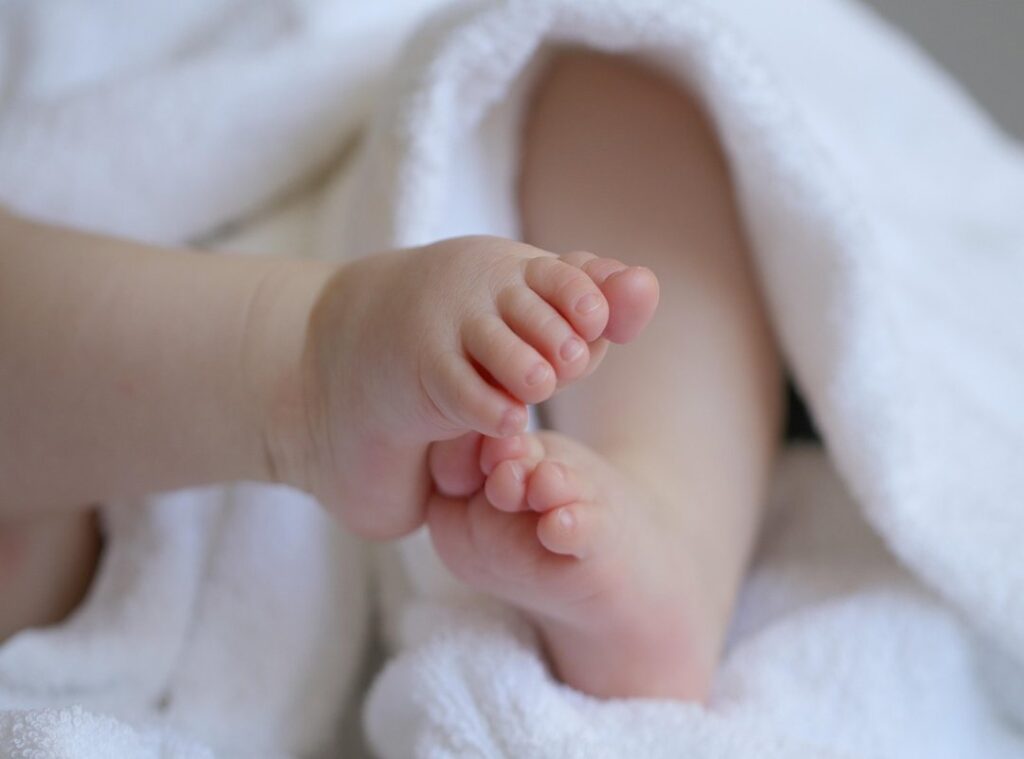
Have you glanced down at your baby’s adorable feet and noticed they have a slight C-shape or curve inward? Don’t worry, this is a very common observation for new parents.
kafuu feet is a non-medical, descriptive term for what doctors often call metatarsus adductus or simple intoeing.
This article will clearly explain what causes this foot shape, what you can do at home to help, and when it might be a good idea to chat with a pediatrician.
I promise a clear, calm, and practical guide to help you understand your child’s development and find peace of mind.
What Exactly Are ‘Kafuu Feet’?
When you hear the term ‘kafuu feet,’ it’s just a fancy way of saying metatarsus adductus. This is when the front part of your baby’s foot turns inward, while the heel stays in its normal position. Imagine the shape of a kidney bean—that’s how the foot might look.
Is it flexible or rigid? That’s an important question. A flexible kafuu foot can be gently straightened with your fingers.
It’s like when you bend a soft rubber toy; it gives a little and then bounces back. This is the most common type and usually the least concerning.
You might be worried, but here’s some reassurance: this condition is present in as many as 1 in 1,000 births. Most of the time, it resolves on its own within the first few years of life. No need to panic.
It’s also good to know that kafuu feet are different from more serious conditions like clubfoot. Clubfoot involves the entire foot and ankle and is much more rigid. Think of it as the difference between a slightly bent twig and a stiff, unyielding branch.
Common Causes: Why Do Some Babies Have Curved Feet?
You might wonder why some babies have curved feet. The primary cause is the baby’s position in the womb. Being curled up in a tight space can cause the feet to stay in a turned-in position after birth.
Sometimes, it can be hereditary. If a parent had kafuu feet, their child might be more likely to as well.
Sleeping habits can play a role too. A baby consistently sleeping on their stomach with feet tucked under can sometimes contribute to the appearance of intoeing.
But here’s what you shouldn’t believe. Some people think swaddling or the type of shoes a baby wears (or doesn’t wear) causes it. That’s just not true.
Swaddling and shoe choices don’t affect the natural curvature of a baby’s feet. Fpmomtips
It’s important to know that in most cases, it’s not caused by anything the parents did wrong. It’s simply a part of early physical development.
So, if you notice your baby’s feet are curved, don’t stress. It’s usually nothing to worry about and often corrects itself over time.
Gentle At-Home Stretches and Activities to Help
Always consult your pediatrician before starting any new stretches or exercises with your baby.
During a diaper change, hold your baby’s heel with one hand and gently pull the front of their foot outward, holding for 10-15 seconds. Repeat 3-5 times. This stretch is like giving your baby’s feet a gentle wake-up call.
- Hold your baby’s heel with one hand.
- Gently pull the front of their foot outward.
- Hold for 10-15 seconds.
- Repeat 3-5 times.
Tickling the outside of the baby’s foot can also help. It’s like a fun game that encourages the muscles on that side to activate and pull the foot outward.
Encouraging barefoot time on different textures—like carpet, grass, or wood floors—can help strengthen all the muscles in the feet naturally. Think of it as a mini adventure for their tiny toes.
Avoiding restrictive footwear is crucial. Soft, flexible booties or socks are best. They allow for natural foot movement and development, much like how a bird needs room to spread its wings.
Kafuu feet need space to grow and develop properly. Forcing the feet into a ‘correct’ position or using any unprescribed braces or special shoes can do more harm than good. Let nature take the lead.
When to Talk to a Doctor: Signs to Watch For

When it comes to your child’s health, it’s better to be safe than sorry. Here’s a clear, bulleted checklist of signs that warrant a call to the pediatrician:
- Stiffness or Rigidity: If you cannot gently and easily straighten the foot to a neutral position.
- A Deep Crease: Note if there is a prominent, deep crease on the inside of the foot, which can sometimes indicate a more severe case.
- Asymmetry: If one foot is significantly more curved than the other.
- Lack of Improvement: If the curve seems to be worsening or shows no improvement by the time the baby is 6-9 months old.
Some people might tell you to wait and see, but I disagree. Early intervention can make a big difference.
Kafuu feet can be a sign, but don’t panic. It’s important to get an expert opinion.
Reassure yourself that seeing a doctor is about getting an expert opinion and a personalized plan. Sometimes, it may simply be “watchful waiting.”
Your Next Steps
Ensure that you follow the guidelines carefully. kafuu feet should be bolded exactly as shown. Keep your paragraphs short and to the point. Single sentence paragraphs are preferred.
 Panelilia Limson is the kind of writer who genuinely cannot publish something without checking it twice. Maybe three times. They came to child wellness and growth insights through years of hands-on work rather than theory, which means the things they writes about — Child Wellness and Growth Insights, Tips on Positive Behavior Strategies, Time-Saving Routines for Busy Moms, among other areas — are things they has actually tested, questioned, and revised opinions on more than once.
That shows in the work. Panelilia's pieces tend to go a level deeper than most. Not in a way that becomes unreadable, but in a way that makes you realize you'd been missing something important. They has a habit of finding the detail that everybody else glosses over and making it the center of the story — which sounds simple, but takes a rare combination of curiosity and patience to pull off consistently. The writing never feels rushed. It feels like someone who sat with the subject long enough to actually understand it.
Outside of specific topics, what Panelilia cares about most is whether the reader walks away with something useful. Not impressed. Not entertained. Useful. That's a harder bar to clear than it sounds, and they clears it more often than not — which is why readers tend to remember Panelilia's articles long after they've forgotten the headline.
Panelilia Limson is the kind of writer who genuinely cannot publish something without checking it twice. Maybe three times. They came to child wellness and growth insights through years of hands-on work rather than theory, which means the things they writes about — Child Wellness and Growth Insights, Tips on Positive Behavior Strategies, Time-Saving Routines for Busy Moms, among other areas — are things they has actually tested, questioned, and revised opinions on more than once.
That shows in the work. Panelilia's pieces tend to go a level deeper than most. Not in a way that becomes unreadable, but in a way that makes you realize you'd been missing something important. They has a habit of finding the detail that everybody else glosses over and making it the center of the story — which sounds simple, but takes a rare combination of curiosity and patience to pull off consistently. The writing never feels rushed. It feels like someone who sat with the subject long enough to actually understand it.
Outside of specific topics, what Panelilia cares about most is whether the reader walks away with something useful. Not impressed. Not entertained. Useful. That's a harder bar to clear than it sounds, and they clears it more often than not — which is why readers tend to remember Panelilia's articles long after they've forgotten the headline.