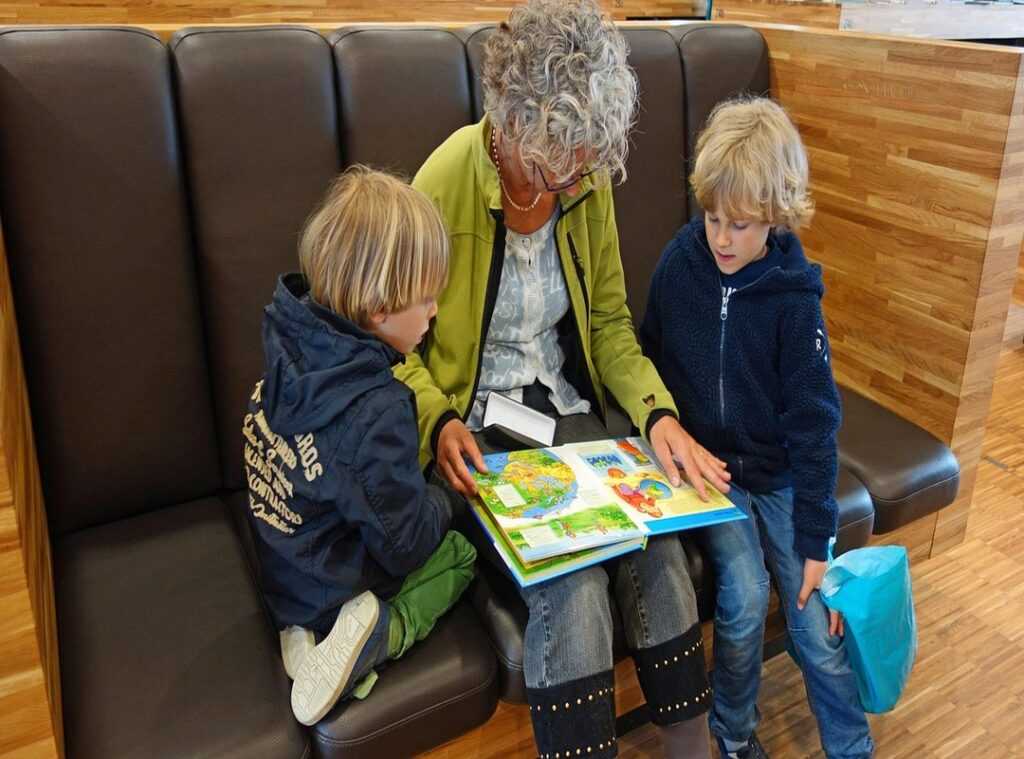
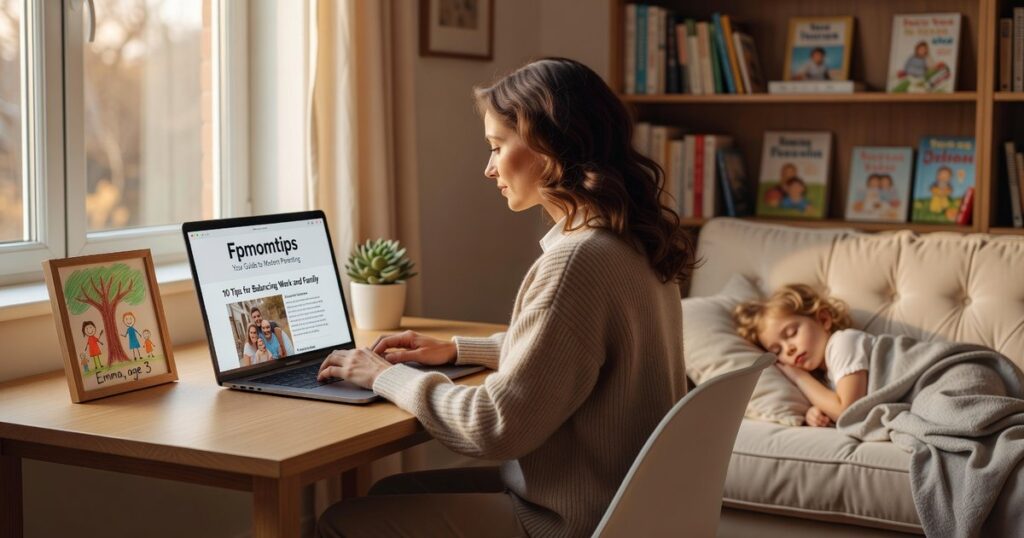
I remember those first few weeks home with my baby. I was excited and terrified at the same time.
You’re probably reading this at 2am while your newborn finally sleeps. Or maybe you’re in your third trimester trying to prepare for what’s coming. Either way, you feel it. That weight of knowing everything is about to change.
The problem isn’t that you don’t love your baby. It’s that nobody tells you how to actually do all of this. Feed them, soothe them, keep them alive, and somehow take care of yourself too. It feels impossible.
I’ve been there. So have thousands of other moms who’ve walked this path before you.
This parenting guide fpmomtips breaks down your first year into steps you can actually handle. Not perfect Instagram moments. Real life stuff that works when you’re running on three hours of sleep.
I’m not here to judge how you parent. I’m here to show you what works and help you figure out what feels right for your family.
You’ll learn how to manage the basics without losing your mind. How to trust yourself when everyone has an opinion. And how to get through those hard days when you’re not sure you can do this.
You can do this. Let me show you how.
Core Responsibility: Mastering Your Baby’s Needs with Confidence
You’re going to mess up.
I did. Every parent does.
But here’s what I learned after countless 3am panic moments. Your baby isn’t asking for perfection. They’re asking for you to understand what they need.
Feeding Fundamentals
Some experts swear by strict schedules. Others say feed on demand only.
I think both camps miss something important.
Your baby will tell you when they’re hungry if you know what to look for. Watch for rooting (when they turn their head and open their mouth like they’re searching). Notice when they bring their hands to their mouth. Crying comes after these signs.
When you catch hunger early, feeding becomes calmer for both of you. That means less stress and better bonding time.
The Sleep Puzzle
Newborns sleep in short bursts. Their REM cycles are different from ours (they spend way more time in light sleep).
This isn’t a problem to fix. It’s just how babies work.
What helps? Keep the room dim and quiet during night wakings. Save the talking and playing for daytime. Your baby will start to learn the difference faster than you think.
A simple routine works wonders. Bath, feed, sleep. Or book, cuddle, bed. Pick what feels right and stick with it.
Diapering and Hygiene
Change diapers often. Let their skin air out when you can.
But here’s the real benefit most people miss. Diaper changes are perfect for connection. Make eye contact. Talk to them. Let them grab your fingers.
These small moments add up to something bigger. Trust builds during the boring stuff just as much as during playtime.
Comfort and Cues
Different cries mean different things. A hungry cry sounds rhythmic. An overtired cry gets more frantic. A gassy cry comes with leg movements.
You’ll learn your baby’s language faster than you think.
When nothing else works, try the 5 S’s. Swaddle them snugly. Hold them on their side. Make a loud shushing sound near their ear. Add gentle swinging motions. Offer something to suck on.
The parenting guide Fpmomtips breaks down each technique in detail if you need more help.
These methods work because they mimic the womb. Your baby feels safe again.
And when your baby feels safe? You both get the peace you need.
The Hidden Responsibility: Why Caring for Yourself is Caring for Your Baby
You know what nobody tells you before you have a baby?
That taking care of yourself isn’t selfish. It’s part of the job.
I hear it all the time from new moms. They feel guilty for wanting a shower that lasts longer than three minutes. They skip meals because the baby needs something. They push through exhaustion like it’s a badge of honor. In the midst of the chaos that new moms face, it’s crucial to remember that taking time for self-care isn’t selfish, and resources like Fpmomtips can offer invaluable support in balancing those fleeting moments of personal time with the demands of motherhood. In the midst of the chaos that new moms face, it’s crucial to remember that taking time for self-care is not selfish, and that’s why sharing Fpmomtips can help them reclaim those precious moments of respite.
But here’s what I’ve learned.
When you’re running on empty, everything gets harder. Your patience wears thin. Your body doesn’t heal right. Even holding your baby feels like more work than it should.
Some people will tell you that motherhood means sacrifice. That putting yourself last is what good moms do. And sure, there’s truth to that in the moment when your baby needs you.
But long term? That thinking will break you.
Your baby doesn’t need a perfect mom. They need a mom who has enough energy to smile at them. Who can think clearly enough to notice when something’s off. Who isn’t so depleted that every cry feels like a personal attack.
Your body needs time to heal. I’m talking about real rest, not just lying down while scrolling your phone. Actual sleep when you can get it. Water throughout the day (keep a bottle in every room you use). Food that does more than just fill the gap.
Try this. Keep a box of granola bars, nuts, and dried fruit where you nurse or feed the baby. Eat something every time they eat. It’s not fancy but it works.
Your mind needs space too. The baby blues hit about 80% of new moms according to the American Pregnancy Association. You might cry for no reason. Feel overwhelmed by tiny decisions. Wonder if you’re doing anything right.
That’s normal for the first two weeks.
But if it stretches longer or gets darker, that’s when you call your doctor. Postpartum depression isn’t something you can just push through. And getting help isn’t giving up.
When you’re in the thick of it, try this. Set a timer for five minutes. Sit somewhere quiet (even if it’s your car in the driveway). Close your eyes and just breathe. That’s it.
Or text another mom. Not to complain necessarily. Just to connect with someone who gets it.
Here’s the thing about good enough. Your house doesn’t need to be clean. Your thank-you notes can wait. Store-bought cookies are fine.
What matters is that you’re okay.
I know a mom who used to stress about having a perfect nursery. Color-coordinated everything. Then her baby arrived and mostly slept in a bassinet by her bed for four months. All that worry for nothing.
The Parental Hacks Fpmomtips approach is simple. Do what keeps you and your baby healthy. Let the rest slide.
A rested mom who orders takeout beats an exhausted mom with a homemade meal every time.
Your baby doesn’t need perfect. They need you. The real you, not the burned-out version who’s trying to do everything.
So drink the water. Take the nap. Ask for help.
That’s not selfish. That’s smart parenting.
Juggling Home & Life: Practical Routines for Modern Moms
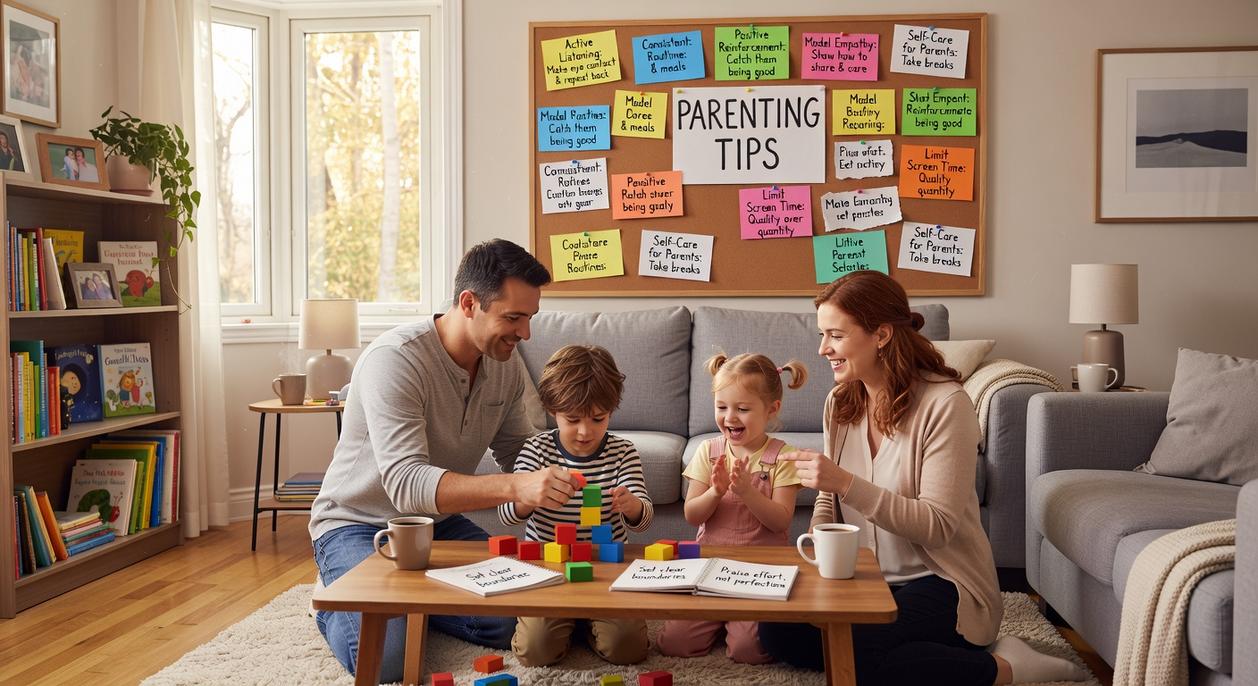
Last Tuesday I found myself crying over a pile of unfolded laundry.
Not because I was sad. Because I realized I’d been holding myself to the same standards I had before my daughter was born.
You know what I mean. That version of you who had matching towels folded within an hour of coming out of the dryer. Who meal prepped on Sundays and never let dishes sit overnight.
She’s gone. And that’s okay.
Here’s what I wish someone had told me sooner.
Your house doesn’t need to be clean. It needs to be functional. Pick one or two zones that matter for your sanity and let the rest go. For me it’s the kitchen counter and the couch area. Everything else? We’ll get to it when we get to it. In the midst of the chaos that comes with parenting, it’s refreshing to find clarity in the Fpmomtips Parental Guide by Famousparenting, which emphasizes that a home should be functional rather than spotless, allowing parents to focus on the spaces that truly matter for their well-being. In the midst of the chaos that comes with parenting, it’s refreshing to find practical advice like the “Fpmomtips Parental Guide by Famousparenting” that emphasizes the importance of creating functional spaces rather than striving for perfection.
Some moms say you should maintain your pre-baby routines to feel normal. That keeping up appearances helps you hold onto your identity.
But I tried that. It made me miserable.
The truth is that your old routines were built for a different life. Forcing them to fit now just means you’ll spend naptime scrubbing baseboards instead of resting.
I started using what I call landing zones. One basket by the door for baby gear. One caddy in each main room with diapers and wipes. When I’m done with something, it goes right back in its spot. No hunting for supplies at 2am.
The one-touch rule changed everything too. Mail comes in, I deal with it right then or toss it. No piles building up on the counter.
Let me share what actually works for eating well when you’ve got a baby attached to you.
I keep these within reach all day:
- String cheese and crackers
- Apple slices with peanut butter (already cut up)
- Trail mix in small containers
- Protein bars that don’t taste like cardboard
On Sundays I roast two sheet pans of vegetables and cook a big pot of rice or quinoa. That’s it. No fancy meal prep. Just components I can throw together when I’m starving.
Now here’s the part that took me forever to figure out.
When someone says “let me know if you need anything,” they mean well. But that puts the work back on you to think of something, ask for it, and coordinate it.
I started getting specific instead. When my mom texted that phrase, I replied: “Could you grab milk, eggs, and bread from the store tomorrow?” She said yes immediately.
My neighbor offered to help last month. I asked if she could hold the baby for 30 minutes while I showered. She seemed relieved to have a clear task.
People want to help. They just don’t know how. The fpmomtips parental guide by famousparenting talks about this too. Being direct isn’t rude. It’s kind.
Try these when someone offers:
- “Could you pick up groceries on Thursday?”
- “Would you mind folding this basket of laundry while we chat?”
- “Can you watch the baby for an hour so I can nap?”
You’re not asking too much. You’re giving them a way to actually support you. I put these concepts into practice in Parenting Hacks Fpmomtips.
The Shared Responsibility: Nurturing Your Partnership After Baby
You become parents the second that baby arrives.
But you stop being partners somewhere around week two (usually right after the first middle-of-the-night argument about whose turn it is to change the diaper).
I remember standing in our kitchen at 3am with my partner. Both of us exhausted. Both of us convinced we were doing MORE than the other person. It wasn’t pretty.
Here’s what nobody tells you. Having a baby doesn’t just add a person to your family. It completely rewrites who you are as a couple.
Some people say you need to prioritize your marriage FIRST or everything falls apart. They insist on weekly date nights and keeping things exactly like they were before baby.
That sounds nice. But it’s not realistic when you’re running on four hours of sleep and someone just spit up on your last clean shirt.
What I learned is this. You don’t need to be the same couple you were before. You need to become a team.
Start talking before the resentment builds. Use simple phrases like “I feel overwhelmed when…” instead of “You never help with…” (trust me, that second one never goes well).
My partner and I do a ten minute check-in every Sunday. We sit down with coffee and talk about what worked that week and what didn’t. Sometimes it’s just venting. That counts too.
Make a list of everything that needs doing. Then split it based on who’s better at what and who’s actually awake when. I handle mornings because I’m up anyway. He takes the bedtime routine because he’s got more patience at 7pm than I do.
For night duty, try shifts. One person covers 10pm to 2am. The other takes 2am to 6am. The off-duty parent actually SLEEPS. No guilt. No listening for every sound. Real sleep.
You can find more practical parenting strategies at fpmomtips when you need them.
Connection doesn’t have to mean fancy dinners right now. It’s a hug in the hallway. Laughing together when the baby does something ridiculous. Sitting on the couch for fifteen minutes after bedtime. In the midst of our busy lives, finding small moments of joy—like sharing a laugh over the baby’s antics or stealing a quiet hug in the hallway—can be enhanced with insightful strategies from Parental Hacks Fpmomtips that help us connect more deeply as a family. In the midst of our chaotic parenting lives, embracing the small moments of joy, like sharing a laugh over the baby’s antics, is just one of the many insights you’ll discover in Parental Hacks Fpmomtips, where connection transcends the need for grand gestures.
Those small moments? They’re what keep you going.
Embrace the Journey, One Responsibility at a Time
You’ve got the framework now.
Managing parenting responsibilities comes down to simple systems for your baby, yourself, your home, and your partnership. That’s it.
I know you came here feeling overwhelmed. Like you were drowning in a sea of shoulds and supposed-tos.
But here’s what I’ve learned: focusing on core needs changes everything. Good enough is actually good enough.
You don’t need to be perfect. You need to be present and practical.
This parenting guide fpmomtips gives you the tools to navigate your new role with confidence. Not because you’re doing everything, but because you’re doing what matters.
Pick one tip from this guide and try it today. Just one.
Maybe it’s the feeding schedule. Maybe it’s asking your partner to take the night shift on Thursdays. Maybe it’s letting the laundry sit for an extra day.
Progress happens in small steps. You’re building a life that works for your family, not someone else’s idea of what motherhood should look like.
Start where you are. Do what you can. That’s how you move forward.
 Vanessa W. has opinions about child wellness and growth insights. Informed ones, backed by real experience — but opinions nonetheless, and they doesn't try to disguise them as neutral observation. They thinks a lot of what gets written about Child Wellness and Growth Insights, Daily Digest, Time-Saving Routines for Busy Moms is either too cautious to be useful or too confident to be credible, and they's work tends to sit deliberately in the space between those two failure modes.
Reading Vanessa's pieces, you get the sense of someone who has thought about this stuff seriously and arrived at actual conclusions — not just collected a range of perspectives and declined to pick one. That can be uncomfortable when they lands on something you disagree with. It's also why the writing is worth engaging with. Vanessa isn't interested in telling people what they want to hear. They is interested in telling them what they actually thinks, with enough reasoning behind it that you can push back if you want to. That kind of intellectual honesty is rarer than it should be.
What Vanessa is best at is the moment when a familiar topic reveals something unexpected — when the conventional wisdom turns out to be slightly off, or when a small shift in framing changes everything. They finds those moments consistently, which is why they's work tends to generate real discussion rather than just passive agreement.
Vanessa W. has opinions about child wellness and growth insights. Informed ones, backed by real experience — but opinions nonetheless, and they doesn't try to disguise them as neutral observation. They thinks a lot of what gets written about Child Wellness and Growth Insights, Daily Digest, Time-Saving Routines for Busy Moms is either too cautious to be useful or too confident to be credible, and they's work tends to sit deliberately in the space between those two failure modes.
Reading Vanessa's pieces, you get the sense of someone who has thought about this stuff seriously and arrived at actual conclusions — not just collected a range of perspectives and declined to pick one. That can be uncomfortable when they lands on something you disagree with. It's also why the writing is worth engaging with. Vanessa isn't interested in telling people what they want to hear. They is interested in telling them what they actually thinks, with enough reasoning behind it that you can push back if you want to. That kind of intellectual honesty is rarer than it should be.
What Vanessa is best at is the moment when a familiar topic reveals something unexpected — when the conventional wisdom turns out to be slightly off, or when a small shift in framing changes everything. They finds those moments consistently, which is why they's work tends to generate real discussion rather than just passive agreement.