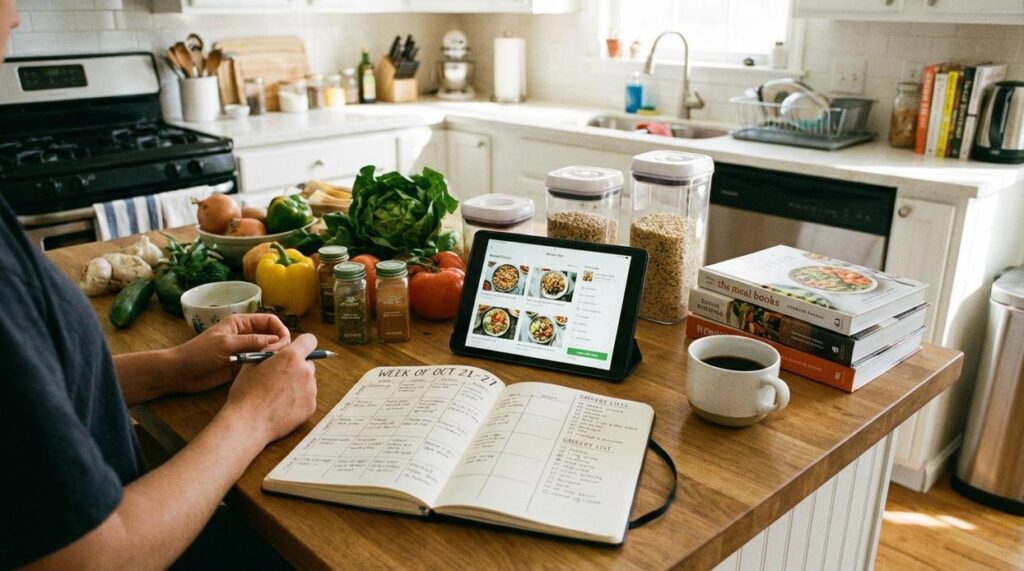
If you’ve been searching for a realistic way to simplify mealtimes without sacrificing nutrition, this guide to batch cooking basics is exactly what you need. Busy moms don’t have hours to spend in the kitchen every day — but with the right system, you can prepare balanced, family-friendly meals in less time and with far less stress.
In this article, you’ll learn how to plan, prep, and store meals efficiently so your week runs smoother from the start. We’ll break down practical strategies that fit into real-life routines, not idealized schedules. From choosing the right recipes to organizing your fridge and freezer, everything here is designed to help you save time, reduce decision fatigue, and support your child’s nutrition.
Our approach is grounded in widely recommended meal planning practices and child wellness guidelines, ensuring the tips you read are practical, safe, and sustainable for modern family life.
Reclaim Your Weeknights: A Mom’s Guide to Batch Cooking
It’s 5 PM. The kids are starving. You’re staring into the fridge like it might magically DoorDash something. Enter batch cooking basics.
Batch cooking means preparing larger quantities of meals in advance so weeknights become heat-and-eat instead of panic-and-pizza. Think taco meat cooked on Sunday, repurposed into salads, wraps, and quesadillas (yes, again).
Some say fresh cooking daily is better. Sure—if you have a personal chef and limitless energy. The rest of us need sanity.
Pro tip: double recipes and freeze half. Future-you will be grateful—and noticeably less cranky. Trust me.
What Is Batch Cooking (And What It Isn’t)
So, what exactly is batch cooking? Simply put, it’s preparing multiple meals or meal components at once so future you isn’t scrambling at 5 p.m. Think of it as cooking smarter, not harder. Instead of making dinner from scratch every night, you create a ready-to-use “ingredient toolkit.”
However, let’s clear up a common myth. It’s not about eating the same casserole all week (no one wants that). Rather, it’s about flexibility—like cooking a big pot of quinoa, roasting vegetables, or shredding chicken that can turn into tacos, salads, or pasta bowls.
Here’s how it helps moms:
- Less daily stress because dinner is halfway done.
- Healthier meals since ingredients are ready.
- Lower grocery bills by reducing waste.
- More evening time for what actually matters.
In contrast, meal prep usually means portioning full grab-and-go meals. Batch cooking basics focus on preparing components you can mix and match throughout the week.
The 3 Core Batch Cooking Methods for Busy Families
If you’ve ever stared into the fridge at 5:42 p.m. wondering what on earth dinner is, you’re not alone (I’ve been there, and it’s not pretty). In my experience, mastering a few batch cooking basics can turn weeknight chaos into something that at least resembles calm.
Here are the three methods I swear by:
-
Ingredient Prepping (The Building Block Approach)
First, focus on preparing individual ingredients that can slide into multiple meals. Chop all your onions and peppers for the week. Cook a large batch of ground turkey. Roast a tray of vegetables. Make a big pot of rice.Personally, I love this method because it keeps options open. You’re not locked into one recipe. Instead, you’re giving Future You a head start (and Future You is always grateful). Critics might say it still requires daily cooking—and that’s true. But dinner goes twice as fast when the hard parts are already done.
-
Batching Full Meals (The Cook-Once–Eat-Twice Approach)
Next, double up and freeze. A big lasagna. A double batch of chili or soup. A dozen breakfast burritos. These are lifesavers for those nights—late practices, work deadlines, pure exhaustion.Some argue frozen meals lose freshness. Fair point. But on a hectic Tuesday, convenience wins. (Pro tip: label everything with the date. Mystery containers are not fun.)
-
Component Cooking (The Mix-and-Match Approach)
Finally, try a hybrid approach. Make shredded chicken, black beans, and a cilantro-lime sauce. Throughout the week, they become tacos, burrito bowls, or salads.In my opinion, this is the sweet spot—structured but flexible. It also pairs beautifully with these smart home organization hacks for faster cleanups, because efficient kitchens make efficient meals.
Ultimately, the “best” method depends on your season of life. However, having even one of these systems in place makes busy family evenings feel far less overwhelming.
Essential Tools and Pantry Staples to Get Started
You do not need fancy gadgets to master batch cooking basics; you need reliable workhorses. Start with sturdy sheet pans A vs. flimsy ones: heavy-duty pans distribute heat evenly, while thin trays warp and burn dinner. Next, choose glass storage containers vs. plastic: glass resists stains and reheats safely, whereas plastic can absorb odors over time. Add a large stockpot for soups and grains, plus a sharp chef’s knife a dull blade slows you down and increases risk.
Meanwhile, smart storage keeps food fresh. Label everything with dates because “mystery container” is not a flavor. Use freezer-safe bags vs. regular ones; they prevent freezer burn, which occurs when air dehydrates food, according to the USDA. Store cooked grains up to four days refrigerated, or freeze for longer.
Finally, build a flexible pantry: oats, rice, quinoa, canned beans, tomatoes, onions, garlic, chicken broth, and versatile spices. Rice vs. quinoa? Rice is budget-friendly; quinoa adds protein and fiber, as noted by Harvard T.H. Chan. Think of it as your kitchen’s Avengers team simple, dependable, ready to assemble.
Pro tip: cool foods completely before sealing to reduce condensation and spoilage. Consistency saves time and money.
A Simple Starter Plan for Your First Session
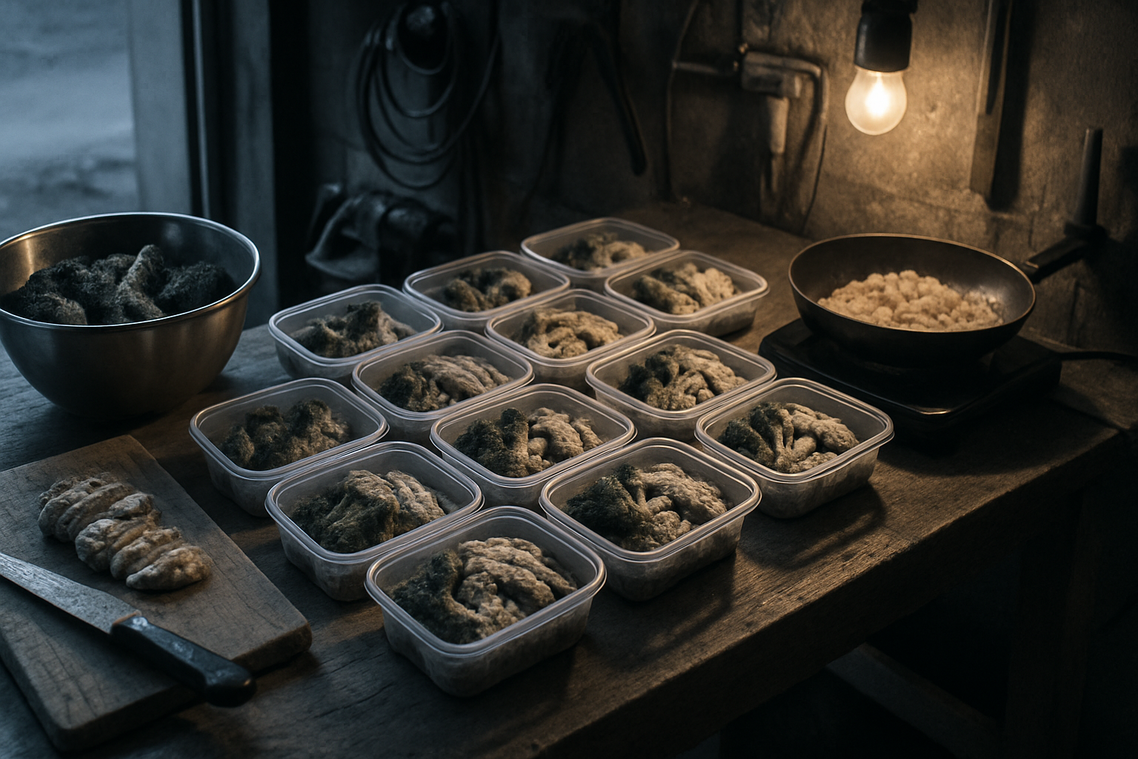
Back when I first tried meal prep, I blocked off one hour on a Sunday at 4 p.m.—that was it. Keeping it short made it feel doable (because it was). If you’re new to batch cooking basics, start small so you don’t burn out before Wednesday.
Your First Hour Action Plan:
- Put a pot of rice on the stove.
- While it cooks, chop onions, bell peppers, and carrots.
- Brown a pound of ground beef with simple seasoning.
- Store each component separately in clear containers.
That’s your whole session. No fancy recipes. No marathon cooking.
How to Use Your Prepped Ingredients:
- Monday: Tacos with ground beef and peppers.
- Wednesday: Fried rice with rice, carrots, and leftover beef.
- Friday: Quick rice bowls with whatever remains.
Pro tip: Label containers with the date so you know what to use first. One focused hour now saves you multiple rushed weeknights later.
Your First Step to Stress-Free Dinners
That nightly “what’s for dinner?” spiral is real. The solution is simple: batch cooking basics. Batch cooking means preparing multiple meals or components at once so future you can just heat and eat (yes, it feels like a superpower).
Here’s why it works:
- Cook once, eat 3–4 times.
- Pre-chopped veggies cut prep time by up to 50% (USDA meal prep guidance).
- Planned portions reduce food waste and impulse takeout.
Skeptics say weekends are packed. Fair. But can you spare one hour for calmer weeknights?
Pick recipe, schedule it, and start today.
Make Mealtime Easier Starting This Week
You came here looking for a realistic way to simplify family meals without adding more stress to your already full schedule. Now you know how batch cooking basics can help you plan smarter, reduce daily kitchen chaos, and make sure your family eats well—even on the busiest days.
The constant “What’s for dinner?” pressure is exhausting. Scrambling at 5 p.m., relying on takeout, or skipping balanced meals altogether only adds to the overwhelm. A simple, repeatable batch cooking routine takes that weight off your shoulders and replaces it with calm, confidence, and ready-to-go meals.
Start small this week. Pick two recipes, prep a few staple ingredients, and block off one focused hour. Once you see how much time and energy you save, you’ll never want to go back.
Thousands of moms are already simplifying their routines with proven, practical strategies that actually work. If you’re ready to reclaim your evenings and make mealtime stress-free, start implementing these steps today and experience the difference for yourself.
 Lead Specialist in Child Wellness & Behavior