

If you’re searching for clear, practical guidance on early childhood nutrition, you’re likely trying to make confident choices about what your child eats during the most important years of growth and development. With so much conflicting advice online, it can be overwhelming to know which foods truly support healthy bodies, strong immunity, and steady development.
This article is designed to give you straightforward, research-informed insights that cut through the noise. We’ve reviewed current pediatric guidelines, consulted evidence-based nutritional recommendations, and analyzed common challenges families face when feeding young children. The goal is simple: help you understand what matters most, what to prioritize, and how to make realistic changes that fit into your daily routine.
By the end, you’ll have a clearer understanding of key nutrients, smart meal-building strategies, and practical tips to support your child’s growth with confidence—without adding stress to your already full plate.
Navigating your child’s nutrition can feel like decoding a mystery novel—everyone has advice, and none of it matches. We’ve been there, staring at a rejected plate of broccoli and wondering what went wrong. This guide simplifies early childhood nutrition into practical steps you can use tonight.
Start small. Offer one new food alongside two favorites. Next, keep portions tiny to avoid overwhelm. Then, model the behavior—eat the same meal together. If resistance pops up, stay calm and try again tomorrow.
Over time, these steady routines turn stressful dinners into confident, healthy habits that truly stick. Consistency makes all the difference.
The “Big Three”: Fueling Growth with Protein, Carbs, and Fats
When it comes to growing kids, the “Big Three” nutrients—protein, carbohydrates, and fats—do the heavy lifting. The benefit? Steady energy, sharper focus, and stronger bodies (which means fewer mid-afternoon meltdowns).
Protein Power
Protein is the body’s building block. It repairs tissues, supports muscle growth, and keeps kids fuller longer. In early childhood nutrition, adequate protein intake is linked to healthy growth patterns (CDC).
Kid-friendly options beyond chicken nuggets:
- Lentils stirred into pasta sauce
- Greek yogurt with berries
- Scrambled or boiled eggs
- Edamame with sea salt
What’s in it for them? Better concentration at school and steadier moods at home.
Complex Carbs for Energy
Not all carbs are equal. Simple carbs (“go-fast” fuel) like white bread spike energy quickly. Complex carbs (“long-lasting” fuel) digest slower, providing steady energy.
Easy swaps:
- Whole-wheat bread instead of white
- Sweet potatoes over regular fries
The payoff? Fewer sugar crashes and more sustained playtime.
Healthy Fats for Brains
Fats aren’t the villain. Healthy fats support brain development and nutrient absorption (Harvard T.H. Chan School of Public Health).
Accessible sources:
- Avocado slices
- Nuts or seed butters
- Olive oil drizzled on veggies
The benefit: stronger memory, better learning, and thriving little minds.
Beyond the Basics: Essential Vitamins and Minerals for Thriving Kids
Parents often ask, “How do I know my child is getting everything they need?” A simple starting point is “eating the rainbow.” This means serving fruits and vegetables in a variety of natural colors to cover a wide range of micronutrients (vitamins and minerals the body needs in small amounts).
- Red: Red peppers and tomatoes support heart health with antioxidants like lycopene.
- Orange: Oranges and carrots provide vitamin C and beta-carotene for immunity and vision.
- Yellow: Yellow squash offers vitamin A and fiber.
- Green: Spinach delivers iron and folate.
- Blue/Purple: Blueberries contain antioxidants that support brain health.
When it comes to early childhood nutrition, two minerals deserve extra attention: iron and calcium. Iron helps carry oxygen in the blood; low levels can lead to fatigue and learning challenges (CDC). Non-meat sources include beans, tofu, lentils, and fortified oatmeal. Pair them with vitamin C foods for better absorption (pro tip).
Calcium builds strong bones and teeth. Beyond dairy, try leafy greens, fortified cereals, almonds, and fortified plant milks (NIH).
Don’t forget vitamin D, the “sunshine vitamin.” It supports bone growth and immune function. Find it in fortified milk and fatty fish like salmon.
Winning the Mealtime Battle: Practical Tips for Picky Eaters
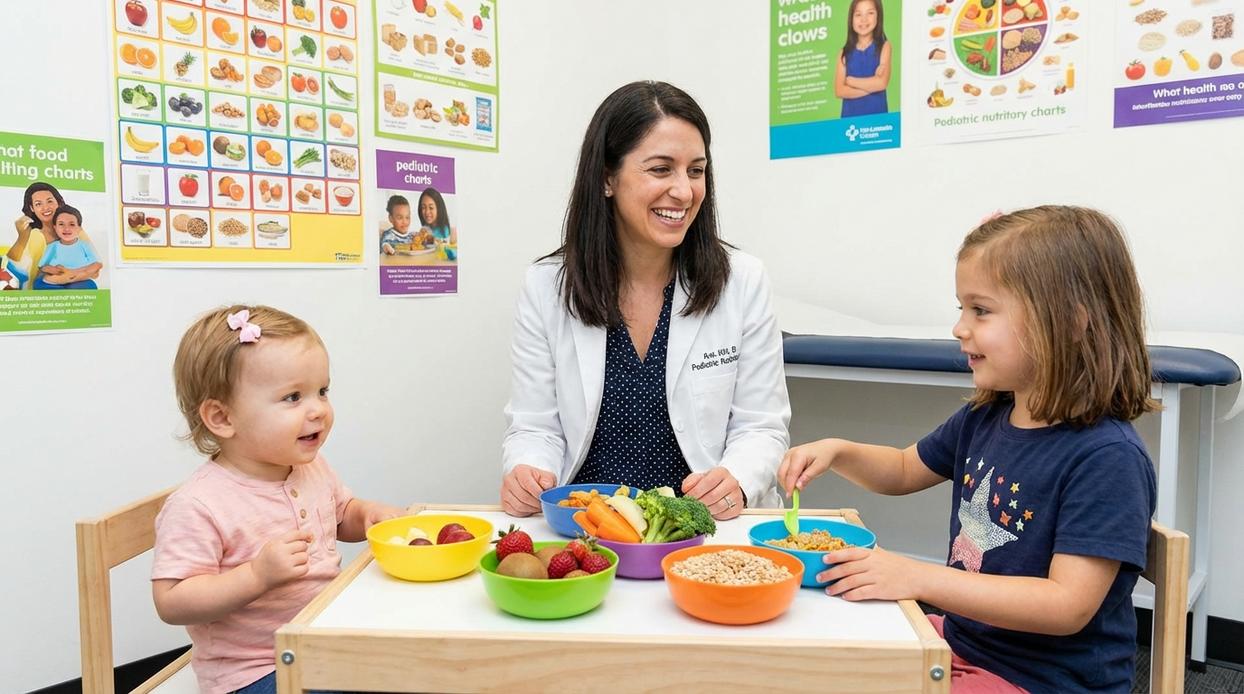
If you’ve ever negotiated with a three-year-old over a single green bean, you know mealtime can feel like a hostage situation. Here’s my take: the calmer you are, the better it goes.
The Division of Responsibility
The Division of Responsibility means you control the what, when, and where of meals, and your child decides if and how much to eat. It sounds simple, but it’s powerful. Research from Ellyn Satter’s feeding model supports this structure for reducing power struggles and promoting healthy eating habits (Satter Institute). In my opinion, it’s sanity-saving. You’re not a short-order cook, and your child isn’t a food critic.
Smart Food Exposure Strategies
Low pressure wins. Offer one bite of a new food (no theatrics), pair it with a safe favorite, and avoid making separate meals. Repeated exposure increases acceptance over time, according to studies in early childhood nutrition (American Academy of Pediatrics).
Pro tip: Keep portions tiny for new foods. A mountain of broccoli is intimidating; one “tree” is manageable.
| Strategy | Why It Works |
|———–|————–|
| One-bite rule | Encourages curiosity without force |
| Serve with favorites | Builds comfort and security |
| No separate meals | Sets clear, consistent boundaries |
Some parents argue kids will “just eat when they’re hungry.” Sometimes true. But structure builds trust and supports long-term habits.
Make It Fun
Use cookie cutters, create “ants on a log,” or arrange fruit like a rainbow. (Yes, presentation matters more than we admit.)
Involve Them in the Process
Let kids wash veggies, stir batter, or pick apples at the store. Ownership boosts willingness to try. It also supports overall development—just like understanding the signs of healthy emotional development in kids helps you see the bigger picture.
Messy kitchens? Worth it.
Your Weekly Game Plan: Time-Saving Routines for Healthy Meals
Simple Meal Prep Sunday
Meal prep doesn’t have to mean spending your entire Sunday in the kitchen (no one wants that). Start small: pre-chop veggies for the week, batch-cook grains like rice or quinoa, and portion snacks into grab-and-go containers. This simple reset saves hours on busy weeknights and reduces the temptation to order takeout. Less stress, more family time. Pro tip: store chopped veggies in clear containers at eye level so they actually get used.
Themed Dinner Nights
Create a predictable rotation—Taco Tuesday, Pasta Wednesday, Stir-Fry Friday. The structure simplifies planning and cuts decision fatigue (yes, that’s the mental exhaustion from too many choices). Kids get excited about favorites, and you streamline your grocery list. It’s a win-win.
Smart Snacking Station
Set up a kid-accessible fridge drawer or pantry bin with pre-approved options that support early childhood nutrition. Think yogurt, fruit, whole-grain crackers. This builds independence and encourages better choices—without constant supervision.
Feeding kids well is a journey, not a destination. Some days they devour broccoli; other days they survive on crackers (it happens). The real win isn’t perfection—it’s consistency. When you focus on the building blocks of nutrition—balanced plates, regular meal times, repeated exposure to new foods—you strengthen early childhood nutrition in practical, lasting ways.
Meanwhile, low-stress strategies like family-style serving, no-pressure tasting, and predictable snack routines turn mealtime into a safe space. Those features matter because they build trust, autonomy, and curiosity.
So, start small. Pick one strategy this week and try it consistently. Small shifts compound into lifelong habits.
Give Your Child the Strongest Start Today
You came here looking for clarity on how to support your child’s growth, health, and daily development through smarter food choices. Now you understand how early childhood nutrition shapes everything from brain development to behavior, energy levels, and long-term wellness.
The truth is, picky eating, sugar crashes, and mealtime battles aren’t just frustrating — they can leave you worried about whether your child is getting what they truly need. That stress adds up. But with the right strategies and simple routines, you can turn nutrition into a powerful advantage instead of a daily struggle.
Start small. Upgrade one meal at a time. Add whole foods, balance nutrients, and stay consistent. Those tiny changes compound into lifelong benefits.
If you’re ready to eliminate guesswork and feel confident about what’s on your child’s plate, explore our proven mom-tested strategies trusted by thousands of families. Take the next step today and give your child the strong, healthy foundation they deserve.
 Lead Specialist in Child Wellness & Behavior