

If you’re searching for practical, real-life parenting guidance that actually makes your day easier, you’re in the right place. Modern motherhood comes with endless advice, conflicting opinions, and very little time to sort through what truly works. This article is designed to cut through the noise and give you clear, actionable strategies that support both your child’s growth and your own well-being.
We focus on evidence-informed insights and everyday routines that make a measurable difference in reducing parental stress while supporting healthy child development. From behavior strategies to simple time-saving systems, everything shared here is rooted in widely accepted child wellness principles and practical parenting experience.
Whether you’re navigating tantrums, building better routines, or simply trying to create a calmer home, you’ll find tools you can implement right away. The goal is simple: help you feel more confident, more prepared, and more supported in your parenting journey.
Modern motherhood is exhausting. You juggle work, meals, moods, and midnight worries. Have you ever wondered if your tension lingers in the air your child breathes? The link between parental stress and child development is real, and science backs it. Studies from Harvard’s Center on the Developing Child show chronic stress can disrupt brain architecture (yes, even when you think you’re hiding it). So what can you do? Start small and start today. Build tiny rituals of calm, name your feelings out loud, and repair quickly after hard moments. Sound familiar? Your steadiness becomes their safety. That’s the buffer. Together.
The Science of Connection: How Parental Stress Affects a Child’s Brain
Ever notice how your toddler melts down five minutes after you’ve had a rough phone call? That’s not a coincidence. It’s co-regulation at work.
Co-regulation is the process where a parent’s nervous system acts as an external regulator for a child’s. In simple terms, your calm helps their body feel calm. Your tension? They absorb that, too. Think of it like a Wi‑Fi signal: when your signal is strong and steady, your child connects easily. When you’re stressed, the signal gets fuzzy. Static. Interference. (And suddenly everyone’s buffering.)
This isn’t just emotional—it’s biological. When adults experience chronic stress, the body releases cortisol, often called the stress hormone. Research from Harvard’s Center on the Developing Child shows prolonged exposure to high stress hormones can disrupt developing brain architecture, particularly areas tied to attention, memory, and executive function skills. That means focus, impulse control, and flexible thinking can all take a hit.
And yes, this is where parental stress and child development become deeply intertwined.
Emotionally, the impact can show up as anxiety, clinginess, or withdrawal. A child who doesn’t consistently receive a calm “signal” may struggle to manage big feelings on their own. Over time, that can shape how safe the world feels to them.
Here’s the frustrating part: you can’t just “relax” on command. (If only.) But even small resets matter. Your nervous system teaches more than your words ever will.
Pro tip: build micro-moments of regulation—slow breaths before pickup, a quiet pause before responding. Tiny shifts strengthen the signal.
From Theory to Tantrums: Observing the Effects in Daily Life
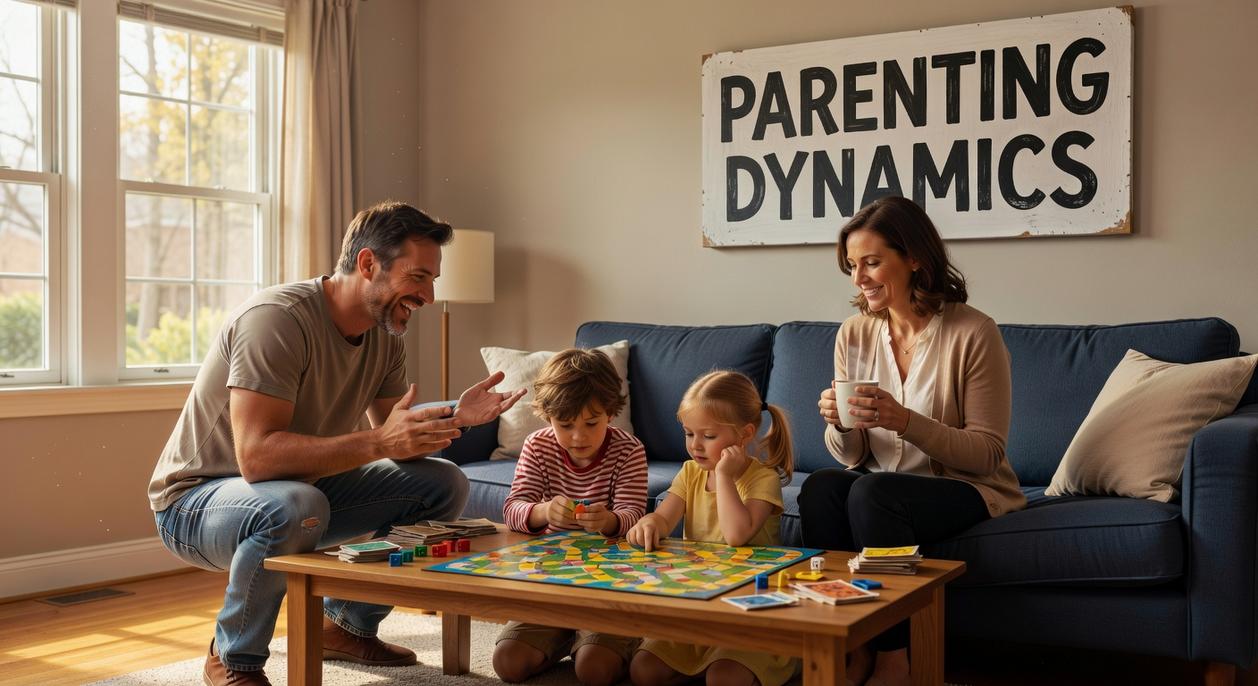
You don’t need a psychology degree to notice when tension at home starts showing up in your child’s behavior. The connection between parental stress and child development becomes obvious during everyday moments (usually the loud ones).
Behavioral Outcomes
When adults feel overwhelmed, children often mirror that stress. You might see:
- More frequent tantrums over small frustrations
- Clinginess at daycare drop-off
- Trouble falling or staying asleep
- Resistance to transitions like leaving the park
Stress activates a child’s nervous system, increasing cortisol (a hormone released during stress) (American Psychological Association). When cortisol stays elevated, emotional regulation gets harder. That meltdown over the blue cup? It’s rarely about the cup.
Recommendation: Create predictable routines. Even simple visual schedules can help children feel secure. Pro tip: narrate transitions five minutes before they happen to reduce shock to their system.
Social Development
A consistently tense home can influence attachment—the emotional bond that shapes how children relate to others (Harvard Center on the Developing Child). Kids may struggle to share, read social cues, or trust peers.
If you’re curious why children constantly seek reassurance, explore why children ask so many questions the science explained: https://fpmomtips.com.co/why-children-ask-so-many-questions-the-science-explained/
Recommendation: Schedule daily one-on-one “connection time,” even 10 minutes of uninterrupted attention.
Physical Manifestations
Chronic stress sometimes appears as headaches, tummy aches, or fatigue (CDC). When no medical cause is found, emotional strain may be the culprit.
Recommendation: Model calming strategies—deep breathing, stretching, or quiet reading. Children copy what they see (yes, even your sighs). A calmer home doesn’t require perfection—just intentional resets.
Recognizing the Red Flags: Are You More Stressed Than You Think?
Stress doesn’t always look like a meltdown. Sometimes it looks like snapping over spilled milk (again), hiding in the bathroom for five minutes of quiet, or feeling oddly numb during moments that should feel sweet.
Here are common but overlooked signs of chronic stress in moms:
- Constant irritability or impatience
- Feeling “touched out” by the end of the day
- Decision fatigue over tiny choices (What’s for dinner? Why is that so hard?)
- Trouble sleeping even when exhausted
- Loss of joy in parenting activities you once liked
Many resources talk about burnout only at the breaking point. What’s often missed is this quieter middle ground—where you’re functioning, but not flourishing.
Children can absorb that tension in subtle ways. Watch for:
- Changes in imaginative play themes
- Becoming overly compliant or “too good”
- Increased clinginess
- Regression in skills like potty training
- New sleep disruptions
Research in parental stress and child development shows kids are highly attuned to emotional tone, even when words say, “I’m fine.”
Recognition isn’t a verdict. It’s data. And data gives you power.
Pro tip: Track your mood and your child’s behavior for one week—you may notice patterns you’ve been too busy to see.
The 5-Minute Reset: Practical Strategies for a Calmer Home
Busy days don’t need big overhauls. What works better? Stress-reduction micro-habits—tiny, repeatable actions that lower tension fast (think of them as espresso shots for your nervous system). The payoff is real: less parental stress and child development benefits that ripple outward.
-
The “Sigh and Reset.” Take one deep inhale, then a second short sip of air, and slowly exhale. This “physiological sigh” can quickly reduce stress, according to research from Stanford (Huberman Lab, 2023). Use it mid-tantrum—for YOU. CALMER IN, CALMER OUT.
-
Connection Pockets. Set a five-minute timer. Phone down. Child leads. This focused attention builds security and cooperation (yes, even on chaotic days). Think of it as refueling the relationship tank.
-
External Brain. Write the list. Post the routine. Offload decisions so your mind isn’t juggling 37 tabs (because it already is). Fewer mental loops = MORE PATIENCE.
Five minutes. Real relief. That’s a win.
Building Resilience Together: Your First Steps Forward
Here’s the simple truth: managing your own stress is one of the most powerful gifts you can give your child. Parental stress and child development are closely linked—when your nervous system is overwhelmed, your home often feels it too (yes, even on the days you think you’re hiding it well).
Modern life is loud, fast, and demanding. That chaos doesn’t stay in your calendar; it spills into your living room.
The good news? Small, steady habits work. Try one 5-Minute Reset today:
- Step outside for fresh air.
- Take ten slow breaths.
- Put your phone away after dinner.
One small shift. A steadier home.
Your Next Calm, Confident Step Forward
You came here looking for real solutions to the daily challenges of parenting — and now you have practical tools to ease parental stress while supporting healthy child development. From simple behavior strategies to time-saving routines, you’re no longer guessing your way through the tough moments.
The truth is, parenting feels overwhelming when you’re exhausted, unsure, and stretched thin. That constant pressure builds fast — and without the right guidance, it can affect both your peace of mind and your child’s growth.
But small, consistent changes create powerful results. When you apply what you’ve learned, you create a calmer home, clearer communication, and stronger emotional bonds.
Now it’s time to take action. Start by choosing one strategy from this guide and implement it today. Then explore more proven tips designed specifically for busy moms who want less chaos and more confidence. Thousands of modern moms rely on these practical, research-backed insights to simplify routines and strengthen family connection.
You don’t have to navigate this alone. Take the next step now — dive deeper, try one new habit today, and give yourself the relief and reassurance you deserve.
 Founder & Chief Visionary