
Becoming a parent is exciting, overwhelming, and filled with questions you didn’t even know to ask. If you’re searching for guidance, reassurance, or a practical new parent checklist, you’re likely looking for clear, trustworthy advice that actually works in real life—not just in theory. This article is designed to give you exactly that.
We focus on the essentials modern moms truly need: practical routines that save time, child wellness insights you can rely on, and simple behavior strategies that make daily life smoother. Every tip is grounded in widely recommended pediatric guidelines, real-world parenting experience, and research-backed best practices to ensure you’re getting information you can feel confident using.
Inside, you’ll find straightforward, actionable advice to help you feel prepared, organized, and supported—whether you’re welcoming your first baby or adjusting to a growing family. Let’s simplify the journey so you can spend less time stressing and more time enjoying these early moments.
Your Calm and Confident Guide to Welcoming Your Baby
That flutter of excitement? Normal. So is the 2 a.m. spiral about hospital bags and car seat installs. In cities where pediatric waitlists fill and parenting classes book months ahead, preparation can feel like a competitive sport.
This guide simplifies the noise. Instead of endless gear reviews, focus on:
- A safe sleep setup (crib, firm mattress, no extras)
- A realistic feeding plan
- Your recovery space
Think of this as your streamlined new parent checklist—practical steps that save time, lower stress, and help you create a calm home for baby and you.
Creating Your “Baby Bubble”: A Practical Home Setup
Bringing a baby home can make you feel like you need to transform your entire house overnight. In reality, your “baby bubble” simply means creating a small, safe, efficient environment where daily care happens smoothly. Think function first, aesthetics second (yes, the Pinterest board can wait).
The Nursery: Keep It Simple
At its core, a nursery only needs three things: a safe sleep space, a changing area, and smart storage. A safe sleep space means a firm mattress, fitted sheet, and an empty crib—no pillows, blankets, or bumpers (the American Academy of Pediatrics backs this minimalist approach for reducing sleep risks). A changing area can be as simple as a secure pad on a dresser. Smart storage? Baskets or drawers that keep diapers, wipes, and clothes within arm’s reach.
However, don’t confuse “minimal” with “unprepared.” This is where your new parent checklist becomes helpful—focus on essentials before decorative extras.
Beyond the Nursery: Care Stations
Next, consider “care stations.” A care station is a small basket or caddy stocked with diapers, wipes, burp cloths, and a spare onesie, placed in rooms where you spend the most time. Instead of trekking back to the nursery for every change, you save steps (and sanity).
Safety First, Without Panic
Start with basics: install outlet covers, anchor heavy furniture to the wall, and secure loose cords. According to the U.S. Consumer Product Safety Commission, tip-over incidents send thousands of children to the ER annually—anchoring furniture is a simple preventive step.
Finally, try the “One-Hand Challenge.” Practice opening containers or folding laundry with one hand. Soon, one arm will hold your baby—and you’ll appreciate the rehearsal.
Decoding the Baby Registry: What You Genuinely Need
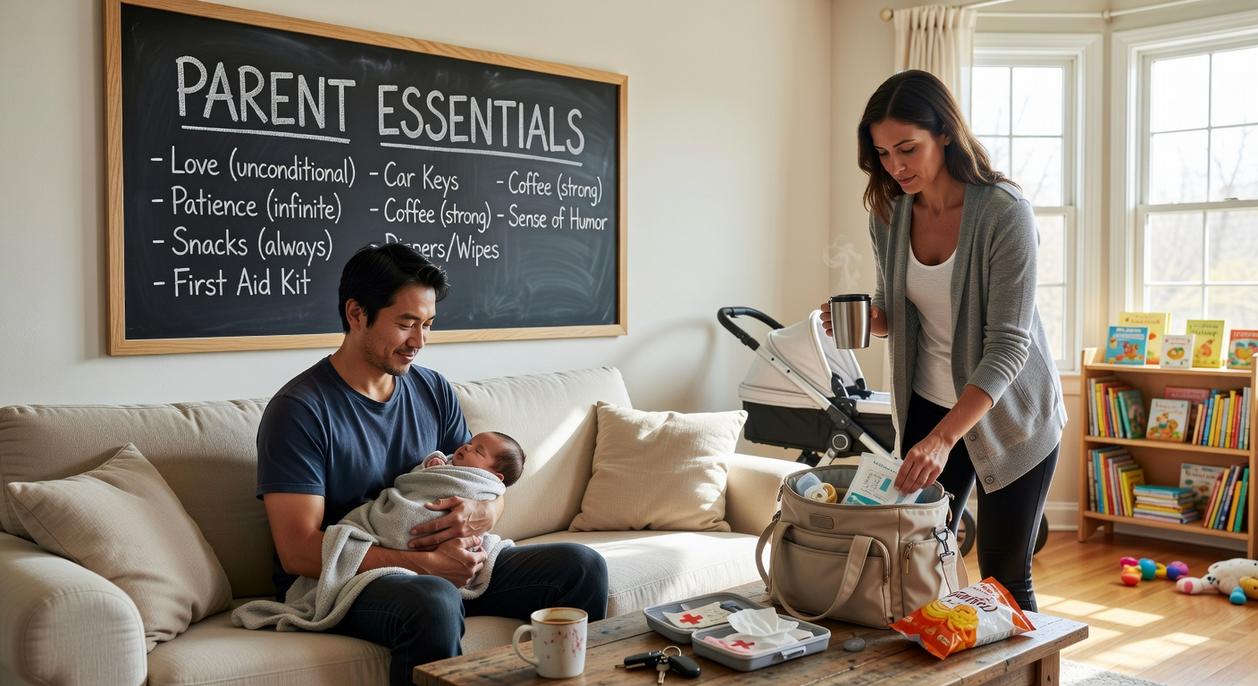
Let’s start with the truth: most baby registries are wildly overstuffed. Marketing will tell you everything is a “must-have.” It’s not. Here’s what actually belongs on your new parent checklist.
The ‘Must-Have’ Minimalist List
Focus on four categories: feeding, sleeping, diapering, and travel.
- Feeding: A basic bottle set (don’t overcommit to one brand yet), burp cloths, and a comfortable feeding pillow.
- Sleeping: A safe crib or bassinet, fitted sheets, and wearable swaddles (the American Academy of Pediatrics recommends a firm, flat sleep surface with no loose bedding).
- Diapering: Diapers, wipes, diaper cream, and a changing pad.
- Travel: A properly installed infant car seat (non-negotiable) and a simple stroller.
Everything else? Nice-to-have. Wipe warmers and smart bassinets are convenient (and sometimes sanity-saving), but not essential.
Buy Now vs. Buy Later
Have safety and basics ready on day one. However, wait on specialty bottles, pacifiers, white-noise machines, or elaborate carriers. Babies have opinions. One may love a certain bottle; another will reject it like it’s a villain in a Pixar sequel.
The Power of “Boring” Gifts
Instead of another plush toy, ask for meal delivery, grocery credits, or postpartum support. Research shows practical support reduces postpartum stress (NIH). A clean kitchen beats a cute onesie at 2 a.m. every time. Pro tip: add a diaper fund option.
Time-Saving Routine
Before storing clothes, sort by size and label bins clearly. Babies outgrow outfits fast (sometimes in weeks). Organizing now prevents frantic drawer-diving later—and future you will be grateful.
Beyond the Gear: Preparing Your Mind and Relationship
You can learn how to build a crib in 30 minutes. Preparing your mind? That takes intention.
Mental Preparation
First, manage expectations. “Good enough” parenting (a term from psychologist Donald Winnicott) means your child doesn’t need perfection—just consistent care and love (Winnicott, 1953). Instead of aiming to be a superhero, aim to be present. Feeling anxious? That’s normal. Try this: write down your top three fears, then list one practical response to each. For example, worried about sleep? Research safe sleep basics and create a simple plan. Progress beats panic.
And yes, scrolling flawless nursery photos can make anyone doubt themselves (thanks, Instagram). Focus on connection over comparison.
Partner Prep
Next, have specific conversations before baby arrives:
| Topic | Decide Together |
|——–|—————–|
| Night duties | Alternate nights or split shifts? |
| Visitors | Scheduled visits or open door? |
| Budget | Monthly baby essentials cap? |
Put agreements in writing. Revisit monthly. (Pro tip: plan for flexibility—babies rarely read schedules.)
Building Your “Village”
Identify three people you can call for meals, errands, or emotional support. Join a parent group early. Add contacts to your new parent checklist so help is one text away.
Self-Care Is Not Selfish
Finally, schedule micro-care: a 10-minute walk, a hot shower, a podcast episode. Small resets prevent burnout. You can’t pour from an empty cup—no matter how adorable the baby.
Before baby arrives, review how to build a safe and organized nursery space to reduce stress and create calm from day one.
The Final Weeks Checklist: Logistics for a Smooth Arrival
Those final weeks can feel like a countdown clock you can’t turn off. You’re exhausted, everyone’s texting “Any news?”, and the last thing you want is a 9 p.m. pharmacy run.
The Hospital Go-Bag
Pack for comfort, not Pinterest. Think loose clothes, lip balm (hospital air is desert-level dry), long phone charger, snacks, and a going-home outfit for baby. Your partner should pack a change of clothes, basic toiletries, and patience.
Stocking Up
Next, buy in bulk: toilet paper, paper towels, easy breakfasts, frozen veggies, pasta, and protein bars. Fewer store trips mean fewer meltdowns (yours included).
Meal Prep Magic
Meanwhile, double recipes and freeze half. Add smoothie packs and ready-to-bake muffins for sleep-deprived mornings.
Key Contacts
Finally, create a visible list: pediatrician, lactation consultant, close family, and your pharmacy.
This new parent checklist saves sanity when brain fog hits (and it will).
Preparation builds calm and confidence. After nine months of planning, you realize the basics matter most:
- A steady routine
- Support you trust
- Your new parent checklist
You can’t plan for everything, but these steps ease major stressors, freeing you to savor midnight cuddles and the bright, unfolding adventure ahead together.
Your Next Step to Confident Motherhood
You came here looking for clarity, reassurance, and practical ways to make daily parenting feel more manageable. Now you have the tools, routines, and mindset shifts to simplify your days and better support your child’s growth.
Motherhood can feel overwhelming—especially when you’re juggling sleepless nights, unpredictable schedules, and constant questions about whether you’re “doing it right.” The good news? Small, intentional systems make a big difference. When you apply these strategies consistently, you reduce stress, create calmer routines, and feel more confident in your decisions.
Now it’s time to take action. Start by implementing one routine this week and build from there. Keep your new parent checklist visible and use it daily to stay organized and grounded. Thousands of modern moms rely on these proven, practical tips to simplify parenting—and you can too.
Don’t wait for burnout to force change. Put these strategies into action today and create a smoother, more peaceful parenting experience starting now.
 Founder & Chief Visionary