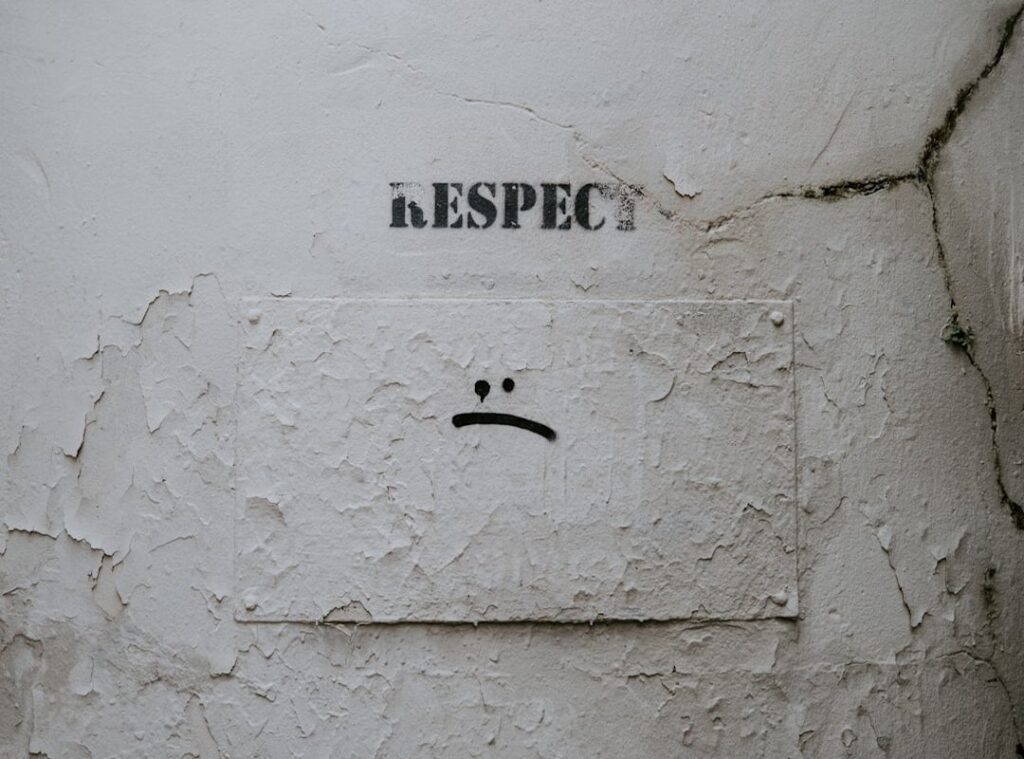
Respect. It’s a big word for little people, isn’t it? As a parent, I know how key teaching kids respect is, but let’s face it: it’s easier said than done.
You might be wondering, how do you instill such a complex value in someone who thinks broccoli is evil? That’s what we’re diving into here. We’re talking real strategies that work, not just lofty ideas that sound good on paper.
Why should you trust this? Because we’ve sifted through expert advice, real-world experiences, and yes, the occasional tantrum. We’re all navigating this parenting maze together, trying to raise decent humans who get it.
You want practical, you want doable, and you want to see results.
By the end of this read, you’ll walk away with concrete tips and strategies. You’ll feel more confident in guiding your kids toward becoming respectful beings. Ready to tackle the respect dilemma?
Let’s jump in.
Why ‘Because I Said So’ Just Doesn’t Cut It
Telling kids “because I said so” is a cop-out. It’s about power, not real respect. Sure, it might get them to clean up their room, but are they doing it because they value you?
Or just to avoid getting grounded?
When respect is forced, it’s not genuine. It’s like pretending to enjoy a movie just because everyone else does.
Fear-based compliance is a slippery slope. It’s like building a wall instead of a bridge. You want kids to listen because they respect you, not because they’re afraid of punishment.
This old-school approach can mess up the parent-child relationship big time. Kids start seeing you as a dictator, and that’s when the power struggles begin. Who wants their home to feel like a battlefield anyway?
Teaching kids respect should be about connection and understanding, not orders. Imagine the difference when kids feel heard and respected. You might find that Effective Positive Reinforcement Techniques work way better.
They encourage kids to act out of genuine consideration rather than fear.
So, ditch the power trips. Start building those bridges now. Who wouldn’t want a relationship based on mutual respect instead of fear?
Let’s redefine what it means to truly teach respect.
The Golden Rule of Parenting: Model the Respect You Want to See
I’ve learned the hard way that teaching kids respect isn’t about lectures. It’s about actions. You know, the everyday stuff that seems trivial but isn’t.
Kids watch us like hawks. They see how we speak to others. When I talk to a cashier or a customer service rep, I’m not just buying groceries or fixing a phone bill.
I’m showing my kid what respect looks like.
Ever notice how kids pick up on the little things? Saying “please” and “thank you” isn’t just polite; it’s foundational. It’s like setting the stage for how they interact with the world.
I make a point to use these words with my child. Not just in public, but at home too. It reinforces that respect isn’t situational (it’s) constant.
And let’s talk about those moments when we screw up. Apologizing to your child? That’s solid.
It might feel awkward, but it teaches them that everyone makes mistakes and that accountability matters. It’s a two-way street. You respect them, and they’ll learn to respect others.
Active listening is another biggie. Putting down the phone and making eye contact when they talk? That’s gold.
It tells them that they matter more than the latest social media update.
For more takeaways on teaching respect, this detailed guide is a must-read. It dives into practical steps and real-world examples that go beyond the basics.
In the end, our actions speak louder than words. The respect we show others is the respect they’ll carry into the world.
Little Tweaks, Big Payoffs: Daily Life Strategies
Setting boundaries with kids is a game-changer. It’s about respect for everyone’s needs. I use this script: “I know you want to play, but the rule is that we clean up our toys first.

We can play as soon as we’re done.” Simple, right? But effective. It sets a clear expectation while showing respect for their feelings.
Now, disagreements and backtalk (those) can be tricky. Staying calm is key. I say, “I can hear that you’re angry, and it’s okay to feel that way.
It is not okay to speak to me like that. Let’s take a minute to cool down.” It’s direct yet validating. And it teaches respect (the hard part is keeping that cool tone when you’re tired).
Interruptions can derail your day, but there’s a fix. Teach kids polite ways to interrupt. I tell them to put a hand on my arm and wait for me to acknowledge them.
It respects both their need to speak and my need to finish my thought. This can be a small revolution in your house.
Trust me, you’ll want these tricks up your sleeve.
When teaching kids respect, scripts and strategies like these are lifesavers. But what about when it gets more chaotic? Check out creative conflict resolution kids for more ideas.
It’s about creating a culture of respect at home. It’s not just for them; it’s for you too. You’re building a foundation where everyone feels heard and valued.
That’s the goal.
Pro tip: consistency is your best friend here. Kids remember patterns more than words. So repeat these strategies until they become second nature.
It’s not always easy, but it’s one of those things that pays off big time.
Building Empathy: The Secret Ingredient for Lasting Respect
Empathy is the real game-changer in teaching kids respect. When kids learn to understand and share the feelings of others, they’re more likely to treat people with respect. It’s not rocket science.
It’s simple human connection. You know that moment during story time when a dragon loses his treasure? Ask your kid, “How do you think the dragon felt?” It’s not just about understanding dragons.
It’s about building that muscle of empathy.
Conflicts with friends or siblings are golden opportunities. If your child gets into a spat, try asking, “How would you feel if that happened to you?” This isn’t just a verbal exercise. It’s a stepping stone to real-world respect.
Validating your child’s feelings is key too. When kids feel heard and understood, they’re more likely to extend that same courtesy to others. It’s a two-way street.
Think of it like this: when kids feel respected, they mirror that behavior. They don’t just learn respect; they live it. And that’s what we want, right?
A world where respect isn’t just a word but a way of life. Teaching kids respect starts with empathy. It’s the secret sauce we all need.
Start Building Respect Today
Instilling respect in your home is no quick fix (it’s) a journey. Let’s be real: there will be challenging days. But that’s okay.
This is about patience and growth. Teaching kids respect isn’t about demanding it. It’s about showing it. When respect is rooted in genuine connection, it flourishes without force.
Why does this approach work? Simple. It builds intrinsic motivation.
Your child will respect you because they see it mirrored in your actions, not because they’re scared into it. As a parent, I know how key this connection is.
Now, here’s what you do next. Pick one plan from this guide. Just one.
Focus on it this week. Be consistent. Be patient.
Watch those small changes start to grow. It’s not just about feeling good. It’s about making a real difference in your child’s life.
Your journey starts now. Stick with it. You’ll be amazed at the transformation.
 James Raynerovans writes the kind of child wellness and growth insights content that people actually send to each other. Not because it's flashy or controversial, but because it's the sort of thing where you read it and immediately think of three people who need to see it. James has a talent for identifying the questions that a lot of people have but haven't quite figured out how to articulate yet — and then answering them properly.
They covers a lot of ground: Child Wellness and Growth Insights, Tips on Positive Behavior Strategies, Time-Saving Routines for Busy Moms, and plenty of adjacent territory that doesn't always get treated with the same seriousness. The consistency across all of it is a certain kind of respect for the reader. James doesn't assume people are stupid, and they doesn't assume they know everything either. They writes for someone who is genuinely trying to figure something out — because that's usually who's actually reading. That assumption shapes everything from how they structures an explanation to how much background they includes before getting to the point.
Beyond the practical stuff, there's something in James's writing that reflects a real investment in the subject — not performed enthusiasm, but the kind of sustained interest that produces insight over time. They has been paying attention to child wellness and growth insights long enough that they notices things a more casual observer would miss. That depth shows up in the work in ways that are hard to fake.
James Raynerovans writes the kind of child wellness and growth insights content that people actually send to each other. Not because it's flashy or controversial, but because it's the sort of thing where you read it and immediately think of three people who need to see it. James has a talent for identifying the questions that a lot of people have but haven't quite figured out how to articulate yet — and then answering them properly.
They covers a lot of ground: Child Wellness and Growth Insights, Tips on Positive Behavior Strategies, Time-Saving Routines for Busy Moms, and plenty of adjacent territory that doesn't always get treated with the same seriousness. The consistency across all of it is a certain kind of respect for the reader. James doesn't assume people are stupid, and they doesn't assume they know everything either. They writes for someone who is genuinely trying to figure something out — because that's usually who's actually reading. That assumption shapes everything from how they structures an explanation to how much background they includes before getting to the point.
Beyond the practical stuff, there's something in James's writing that reflects a real investment in the subject — not performed enthusiasm, but the kind of sustained interest that produces insight over time. They has been paying attention to child wellness and growth insights long enough that they notices things a more casual observer would miss. That depth shows up in the work in ways that are hard to fake.