When it comes to protecting your children, preparation brings peace of mind. If you’re searching for practical guidance on family emergency preparedness, you likely want clear, realistic steps you can take today—not overwhelming checklists or fear-based advice. This article is designed to give you exactly that.
Emergencies rarely give warnings. From sudden weather events to unexpected medical situations, having a simple, well-thought-out plan can make all the difference in how calmly and confidently your family responds. Here, you’ll find straightforward strategies to help you organize essential supplies, create age-appropriate safety plans, and build routines that make preparedness feel manageable rather than stressful.
Our recommendations are grounded in established safety guidelines from emergency management professionals and child wellness experts, combined with practical, real-life parenting experience. By the end, you’ll have actionable steps to strengthen your family emergency preparedness plan and feel more confident knowing you’re ready for whatever comes your way.
Most families assume a few supplies equal safety. Yet FEMA reports 60% of Americans lack a basic emergency plan, and children are especially vulnerable during disasters. After Hurricane Harvey, the American Academy of Pediatrics noted spikes in childhood anxiety and sleep disruption. That’s why family emergency preparedness must address emotions, not just logistics. Create a color coded go bag for each child, practice evacuation drills twice yearly, and role play “what if” scenarios to reduce fear. Prepared kids panic less. Structure, snacks, and simple scripts like “We have a plan” restore calm when routines suddenly disappear. Practice together before storms.
The 72-Hour “Go-Bag”: Beyond Band-Aids and Batteries
Here’s the uncomfortable truth: most pre-made emergency kits are built for grown-ups who enjoy granola bars and rational thinking. Kids? Not so much. The core mistake is assuming a tiny human can “make do” for 72 hours. (Spoiler: they cannot.)
Essentials for Infants & Toddlers
For babies, pack what can’t be easily found when stores are closed or shelves are empty. That means ready-to-feed formula (no mixing required), diapers, wipes, and a portable changing pad. Add a familiar comfort item—a stuffed animal or blanket that smells like home. In stressful situations, familiarity lowers cortisol levels in children, helping them regulate emotions (National Scientific Council on the Developing Child, 2014). In other words, Mr. Floppy Ears is doing serious work.
Essentials for School-Aged Kids
Older kids need agency. Include a simple, non-electronic activity like a coloring book or card game. A headlamp gives them hands-free light (and makes them feel like explorers instead of evacuees). Add a printed list of important phone numbers they can carry—because memorizing numbers is apparently a lost art.
The “Comfort Kit”
Create a small bag with a favorite snack, a family photo, and a tiny toy. This isn’t extra—it’s strategy. Emotional regulation improves decision-making during crises (APA, 2020). Think of it as morale support in snack form.
Critical Documents
Store digital copies on a password-protected USB drive and physical copies in a waterproof pouch—birth certificates, insurance cards, social security cards. This is the paperwork you never want to replace under pressure.
Smart family emergency preparedness means planning for feelings, not just flashlights.
Your “Shelter-in-Place” Kit: Thriving for a Week at Home
When experts like FEMA recommend keeping at least seven days of supplies on hand (FEMA.gov), they’re not being dramatic. They’re being practical. A short-term disruption—storms, power outages, water issues—can turn chaotic fast. The goal isn’t survival mode. It’s comfortable resilience.
Food & Water Strategy
Start with food your family will actually eat. Shelf-stable staples like peanut butter, granola bars, dried fruit, tuna packets, crackers, and shelf-stable milk are smart picks. (If your kids won’t touch canned beans now, they won’t magically crave them later.)
Plan for one gallon of water per person, per day, as recommended by the CDC. Store bottled water and add a basic gravity-fed water filter as backup. Pro tip: Rotate water every six months and mark the date with a permanent marker.
Power & Communication
I strongly recommend a solar-powered or hand-crank radio. During major outages, battery-powered devices fail quickly (Ready.gov). Pair it with:
- Fully charged power banks
- A solar or crank phone charger
- One assigned flashlight or headlamp per person
Headlamps are especially helpful (hands-free bedtime stories still matter).
Sanitation & Hygiene
Overlook this, and morale drops fast. Stock:
- Wet wipes and hand sanitizer
- Garbage bags with ties
- A 5-gallon bucket with a toilet seat lid
This simple setup supports wellness and basic dignity.
Time-Saving Routine Tip
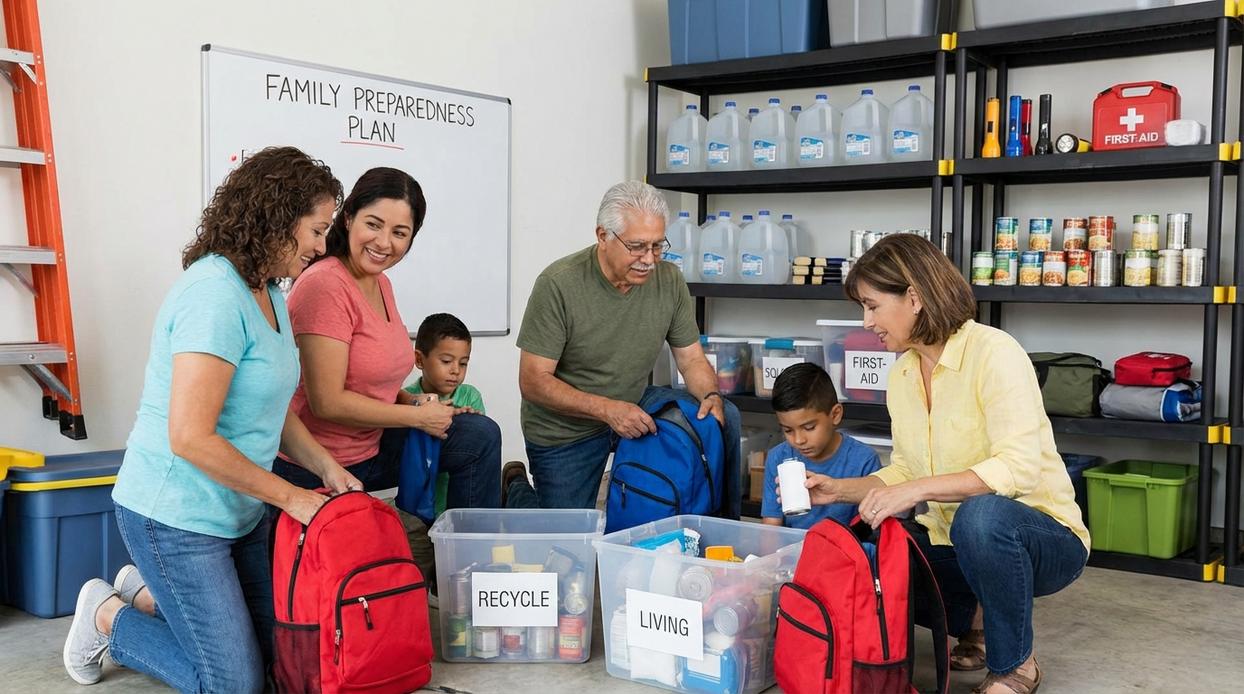
Organize supplies into labeled bins: Food, Water, First Aid, Kids’ Activities. Clear systems reduce stress during family emergency preparedness situations.
If you’re already building your home essentials, review this guide on new parent checklist essentials you actually need at home to strengthen your foundation.
Prepared doesn’t mean paranoid. It means peaceful.
The Family Plan: Who Does What and Where We Go
Most families talk about safety in theory. Fewer turn it into a clear, practiced system. That’s where a real plan stands apart.
Communication Is Key
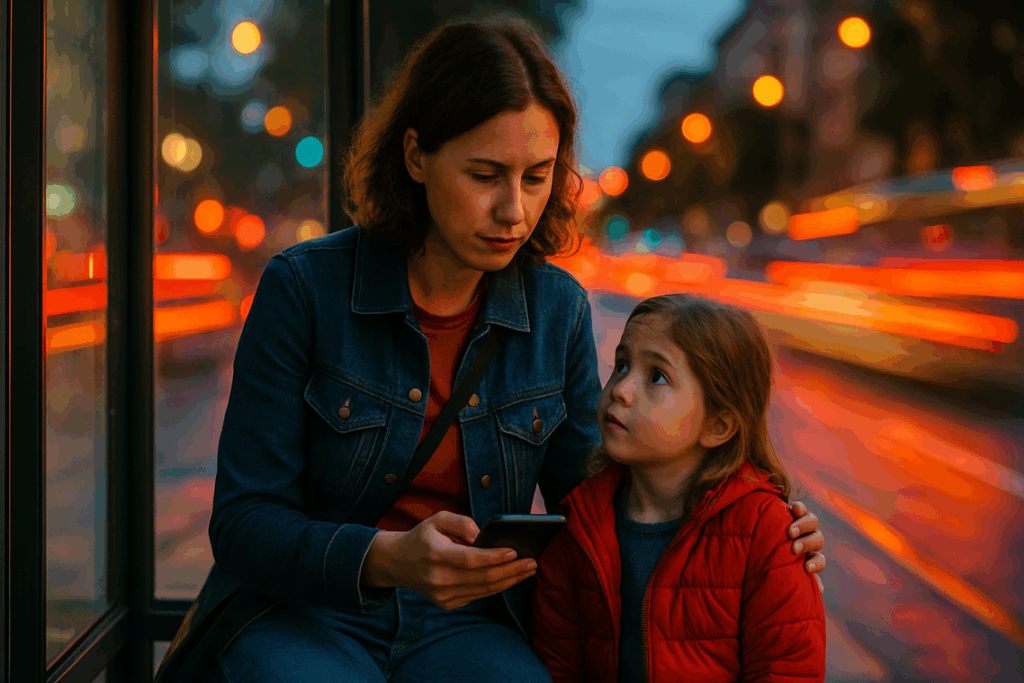
Choose one out-of-state contact as your family’s central check-in person. This avoids overloaded local phone lines during regional emergencies (a common issue noted by FEMA). Make sure older kids memorize the number or keep it in a backpack card. (Yes, even in the age of smartphones—batteries die.)
Establish Meeting Points
Set three specific locations:
- A spot right outside your home (the big oak tree, not “the yard”).
- A neighborhood place like a park or school.
- A location outside town, such as a relative’s house.
Clarity reduces panic. Vague plans create hesitation.
Give Kids a Job
Assign age-appropriate roles. A preschooler grabs the Comfort Kit. An older child checks flashlights or pet supplies. Giving responsibility builds self-efficacy (a psychology term for believing you can handle challenges). Pro tip: rotate roles yearly so skills grow with them.
Practice Without Panic
Instead of scary drills, normalize family emergency preparedness. Try a “power’s out” dinner night with flashlights (Little House on the Prairie vibes, minus the drama). Point out meeting spots during walks.
Some argue this over-prepares kids. In reality, predictability lowers anxiety. A plan doesn’t create fear. It creates confidence.
Maintaining Your Readiness: A Simple Quarterly Check-In
Every three months, pause for a 15-minute reset.
First, rotate supplies:
- Check expiration dates on food, water, and medications, then move soon-to-expire items into your pantry and replace them in the kit.
- Update for growth: swap diaper sizes, clothing, and comfort items as kids change.
- Test your gear by turning on flashlights and the emergency radio to confirm batteries work.
Finally, refresh plans for family emergency preparedness so everyone knows what to grab and where to meet.
Small, steady check-ins prevent last-minute stress.
Pro tip: set a recurring calendar alert now.
Stay ready.
From Worried to Ready: Building a Confident Family
Last winter, when a storm knocked out our power, I realized panic spreads faster than darkness. My kids watched my face for clues (no pressure, right?). That night pushed me to take family emergency preparedness seriously—not in a fear-based way, but in a steady, practical one.
Here’s what changed everything:
- We built simple “Comfort Kits” together with flashlights, snacks, and handwritten notes.
Preparedness isn’t about expecting the worst; it’s about reducing anxiety by defining clear steps. When kids help plan, they gain agency. Start small this week. One drawer. One kit. One calmer household.
Be Ready When It Matters Most
You came here looking for practical, realistic ways to protect your family when life throws the unexpected your way. Now you have a clearer plan, simple steps you can follow, and the confidence that being prepared doesn’t have to feel overwhelming.
The truth is, emergencies don’t wait until we feel ready. That lingering worry in the back of your mind — “What if something happens and I’m not prepared?” — is exactly why family emergency preparedness matters. Having a plan in place means less panic, faster action, and more safety for the people who depend on you most.
Don’t let good intentions turn into “I’ll do it later.” Start today. Build your emergency kit, review your plan with your kids, and set aside 30 minutes this week to organize your essentials. Thousands of proactive moms are already taking these simple steps to protect their households.
Your family counts on you. Take action now so when the unexpected happens, you’re calm, confident, and ready.
 Lead Specialist in Child Wellness & Behavior