Ever wondered about the connection between 6000 uf and pesos chilenos? It’s a bit of an odd comparison, but it can be fascinating. I get it, you might be thinking, “Why would anyone need this?” Well, sometimes we just want to know unusual things.
And that’s okay.
I’m here to break it down for you. This article will help you understand the concept and give you a step-by-step guide. No fluff, just clear and practical information.
You can trust this content because it’s based on accurate and reliable data. Let’s dive in.
Understanding Microfarads
Definition
A microfarad is a unit of electrical capacitance. It’s one millionth of a farad, which is the standard unit for measuring how much electric charge a capacitor can store.
Common Uses
Microfarads are used in capacitors and electronic circuits. They help store and release energy, smooth out voltage, and filter out unwanted signals.
Capacitors with microfarad ratings are essential in many devices. For example, they’re found in power supplies, audio equipment, and even your smartphone.
CAPS
When you see “6000 uf” on a capacitor, it means 6000 microfarads. This is a common rating for capacitors used in various applications. In Chile, 6000 uf a pesos chilenos might be what you’d pay for a small capacitor at an electronics store.
Benefits
Using the right microfarad capacitor ensures your device works efficiently. It helps in maintaining stable power and reducing noise, making your gadgets more reliable and long-lasting.
| Device | Common Capacitor Rating (in microfarads) |
|---|---|
| Power Supply | 100-4700 |
| Audio Amplifier | 22-220 |
| Smartphone | 1-100 |
Understanding these details can help you choose the right components for your projects or repairs.
Understanding Chilean Pesos (CLP)
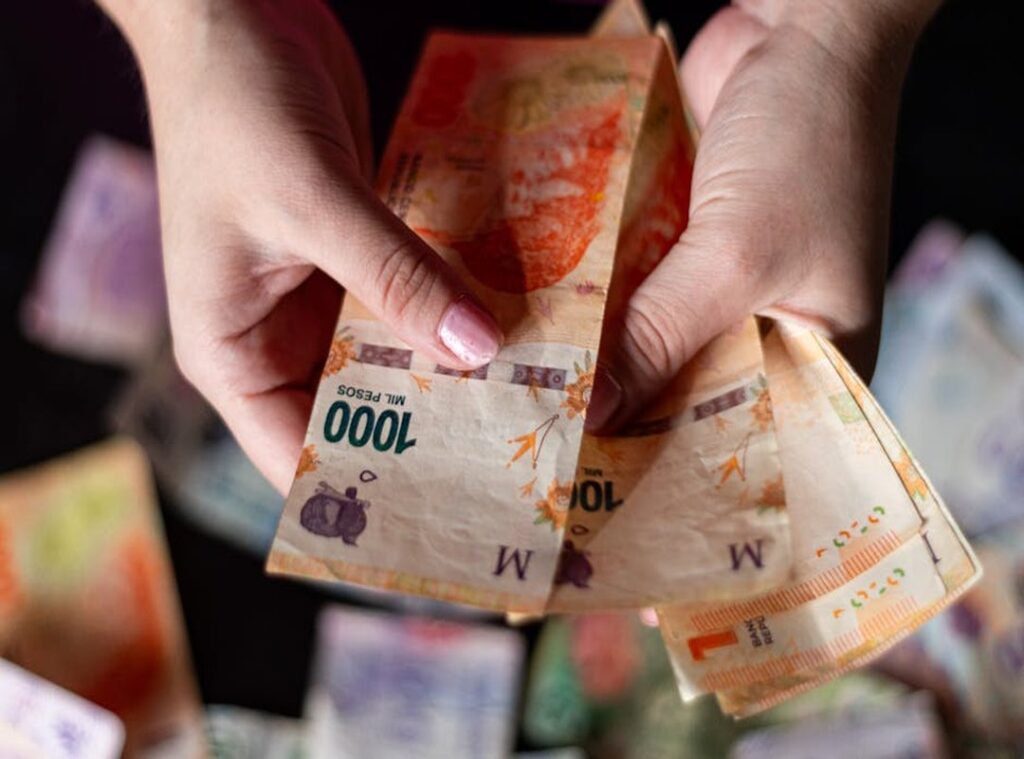
The Chilean peso (CLP) is the official currency of Chile. It’s a crucial part of the country’s economy, used in everyday transactions and business dealings.
When it comes to exchange rates, the CLP can be a bit of a headache. Right now, 1 USD is worth around 850 CLP, and 1 EUR is about 920 CLP. These rates can fluctuate, and it’s frustrating to keep up with them.
Imagine you’re traveling or doing business in Chile. You need to constantly check the rates to make sure you’re not overpaying. It’s like trying to hit a moving target.
One common frustration is when you see prices in stores or online, and they’re listed in 6000 uf a pesos chilenos. What does that even mean? It’s confusing, and it feels like they’re trying to trip you up.
To add to the annoyance, sometimes local businesses don’t accept foreign credit cards, or they charge extra fees. This can really put a damper on your financial plans.
In short, understanding the CLP and its exchange rates is essential, but it’s also a source of constant frustration. Keep an eye on those numbers, and always have a backup plan.
The Conversion Process: 6000 Microfarads to Chilean Pesos
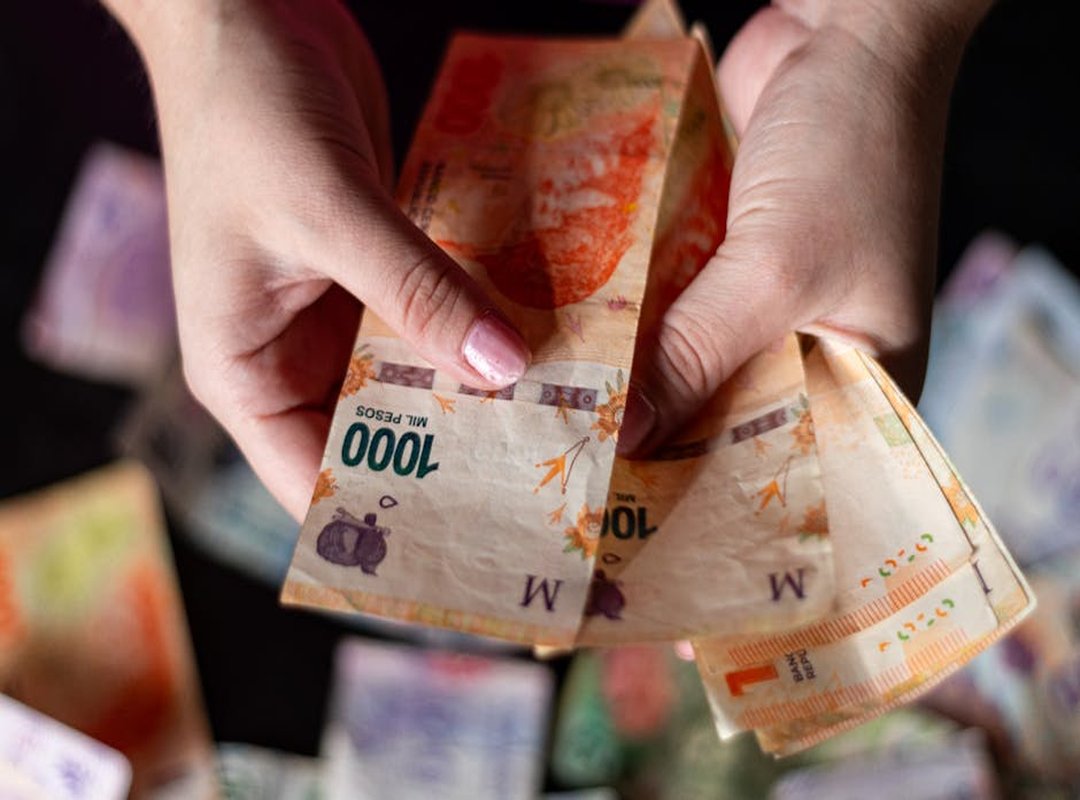
Converting 6000 microfarads to Chilean pesos isn’t a straightforward process. It’s like trying to compare apples and oranges.
Microfarads (uf) are units of capacitance, while Chilean pesos (CLP) are a form of currency. There’s no direct conversion between the two.
But let’s break it down step-by-step for clarity.
First, you need to understand that 6000 uf is a measure of electrical charge storage. It doesn’t have a monetary value.
Next, if you’re looking to convert an amount in one currency to another, you’d use a currency converter. But since we can’t convert 6000 uf directly, we need to think creatively.
One way to approach this is by considering the cost of a capacitor with a 6000 uf rating. For example, if a 6000 uf capacitor costs $5 USD, you can then convert that $5 to Chilean pesos.
To do this, check the current exchange rate. Let’s say 1 USD equals 900 CLP. So, $5 would be 4500 CLP.
In this practical example, 6000 uf indirectly translates to 4500 CLP.
Remember, this is a hypothetical scenario. The actual cost of a 6000 uf capacitor can vary.
Always check the latest prices and exchange rates for accurate conversions.
And hey, if you’re looking for ways to set a positive tone for your family, check out morning routines that set a positive tone for the whole family.
Why This Conversion Matters
Understanding conversions can be both fun and educational. It’s like solving a puzzle, and who doesn’t love a good brain teaser?
- Curiosity and Learning:
- When you learn how to convert 6000 uf a pesos chilenos, it’s not just about numbers.
- It’s about understanding the value of money in different contexts.
-
This kind of knowledge can spark curiosity and make you more aware of global financial systems.
-
Real-World Applications:
- Imagine you’re planning a trip to Chile. Knowing how much 6000 uf a pesos chilenos is worth can help you budget better.
- Or, if you’re dealing with international business, understanding these conversions can be crucial for accurate financial planning.
- Even in everyday life, having a grasp of such conversions can make you more financially savvy.
So, why does this matter? It’s simple. Knowledge is power, and in this case, it’s the power to make informed decisions.
Common Misconceptions and FAQs
Let’s clear up some common misconceptions about microfarads and currency conversions.
First, a lot of people think microfarads are only used in high-tech gadgets. Not true. Microfarads are just a unit of capacitance and can be found in everyday electronics like your TV or even a simple flashlight.
Now, on to currency conversions. Some folks believe that converting currencies is always straightforward. It’s not.
Exchange rates fluctuate, and fees can add up, especially if you’re dealing with less common currencies.
So, what about those FAQs?
What is a microfarad? A microfarad (µF) is a unit of electrical capacitance. It’s one millionth of a farad.
Simple, right?
How do I convert 6000 uf a pesos chilenos? This one’s a bit tricky. First, you need to know the current exchange rate.
Then, multiply the amount by the rate. But remember, banks and conversion services often have their own rates and fees.
Is it better to use an online converter or go to a bank? Online converters are usually more convenient and can give you real-time rates. Banks might offer more security but often come with higher fees.
Can I use a microfarad capacitor in place of a different type? Sometimes, but it depends on the specific requirements of your device. Always check the specs and consult a professional if you’re unsure.
Why do exchange rates change so much? They’re influenced by a variety of factors, including economic conditions, interest rates, and political events. It’s a complex system, but staying informed can help you make better decisions.
By understanding these basics, you can avoid common pitfalls and make more informed choices.
Mastering Unusual Conversions
Understanding the conversion from microfarads to Chilean pesos is a unique and intriguing challenge. It requires a grasp of both electrical units and currency values, making it a fascinating exercise in cross-disciplinary knowledge.
6000 uf a pesos chilenos might seem like an unusual conversion, but with the right approach, it becomes comprehensible. You now have a clear and practical guide to tackle this conversion effectively.
Exploring more about electrical units and currency conversions can broaden your understanding and appreciation for the interconnectedness of different fields. Dive deeper into these topics to uncover more interesting insights.
 James Raynerovans writes the kind of child wellness and growth insights content that people actually send to each other. Not because it's flashy or controversial, but because it's the sort of thing where you read it and immediately think of three people who need to see it. James has a talent for identifying the questions that a lot of people have but haven't quite figured out how to articulate yet — and then answering them properly.
They covers a lot of ground: Child Wellness and Growth Insights, Tips on Positive Behavior Strategies, Time-Saving Routines for Busy Moms, and plenty of adjacent territory that doesn't always get treated with the same seriousness. The consistency across all of it is a certain kind of respect for the reader. James doesn't assume people are stupid, and they doesn't assume they know everything either. They writes for someone who is genuinely trying to figure something out — because that's usually who's actually reading. That assumption shapes everything from how they structures an explanation to how much background they includes before getting to the point.
Beyond the practical stuff, there's something in James's writing that reflects a real investment in the subject — not performed enthusiasm, but the kind of sustained interest that produces insight over time. They has been paying attention to child wellness and growth insights long enough that they notices things a more casual observer would miss. That depth shows up in the work in ways that are hard to fake.
James Raynerovans writes the kind of child wellness and growth insights content that people actually send to each other. Not because it's flashy or controversial, but because it's the sort of thing where you read it and immediately think of three people who need to see it. James has a talent for identifying the questions that a lot of people have but haven't quite figured out how to articulate yet — and then answering them properly.
They covers a lot of ground: Child Wellness and Growth Insights, Tips on Positive Behavior Strategies, Time-Saving Routines for Busy Moms, and plenty of adjacent territory that doesn't always get treated with the same seriousness. The consistency across all of it is a certain kind of respect for the reader. James doesn't assume people are stupid, and they doesn't assume they know everything either. They writes for someone who is genuinely trying to figure something out — because that's usually who's actually reading. That assumption shapes everything from how they structures an explanation to how much background they includes before getting to the point.
Beyond the practical stuff, there's something in James's writing that reflects a real investment in the subject — not performed enthusiasm, but the kind of sustained interest that produces insight over time. They has been paying attention to child wellness and growth insights long enough that they notices things a more casual observer would miss. That depth shows up in the work in ways that are hard to fake.