
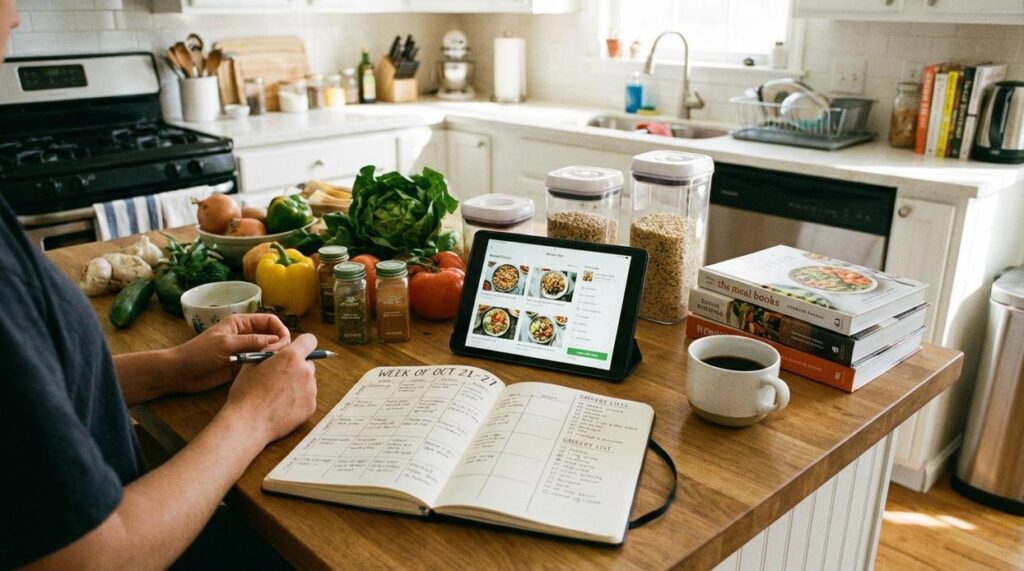
If you’re searching for practical ways to simplify family life while raising healthy, happy kids, you’re in the right place. Modern motherhood comes with endless decisions—from managing behavior challenges to building routines that actually stick—and it’s easy to feel overwhelmed by conflicting advice. This article is designed to cut through the noise and give you realistic, doable solutions that fit into your busy schedule.
Here, you’ll find research-backed child wellness insights, effective behavior strategies, time-saving routines, and smart weekly meal planning strategies that make everyday parenting smoother. Every recommendation is grounded in trusted parenting research and real-world application, carefully reviewed to ensure it’s both practical and beneficial for modern families.
Whether you’re looking to improve your child’s habits, streamline your mornings, or feel more confident in your parenting approach, this guide delivers clear, actionable tips you can start using right away.
End the 5 PM Scramble
Every afternoon, the same question hits: what’s for dinner? That tiny sentence carries a big mental load for parents already juggling work, homework, and laundry (because of course the hamper is overflowing).
When meals aren’t planned, evenings unravel fast. You default to takeout, overspend, and settle for less nutritious options.
Here’s my recommendation: keep it simple. Choose five go-to dinners, repeat them, and build weekly meal planning strategies around your real schedule—not a Pinterest fantasy. Prep ingredients on Sunday, keep a shared grocery list, and allow one flexible night. Done beats perfect. Peace is possible.
More Than Just Meals: The Real Benefits of Planning Ahead*
Most people treat meal planning like a Pinterest hobby. It’s not. It’s a survival skill.
Spend 30 minutes on Sunday mapping out dinners and you reclaim hours during the week. Decision fatigue—the mental drain from constant choices—is real (the American Medical Association links it to stress and poor judgment). Fewer “What’s for dinner?” debates means calmer evenings.
- Save Time: A simple outline using weekly meal planning strategies prevents last-minute store runs.
- Save Money: Planning cuts impulse buys and reduces pricey delivery orders (the average U.S. household spends over $3,000 annually dining out, per BLS).
- Reduce Food Waste: Nearly 30–40% of the U.S. food supply is wasted (USDA). Planning helps you reuse ingredients across meals.
- Lower Stress: Predictable meals create rhythm. And rhythm creates peace.
Some argue spontaneity keeps life exciting. Sure. But scrambling at 6 p.m. with hungry kids isn’t exciting—it’s exhausting. Planning isn’t restrictive; it’s freeing. (Future-you will be grateful.)
Find Your Perfect Fit: Three Proven Meal Planning Methods
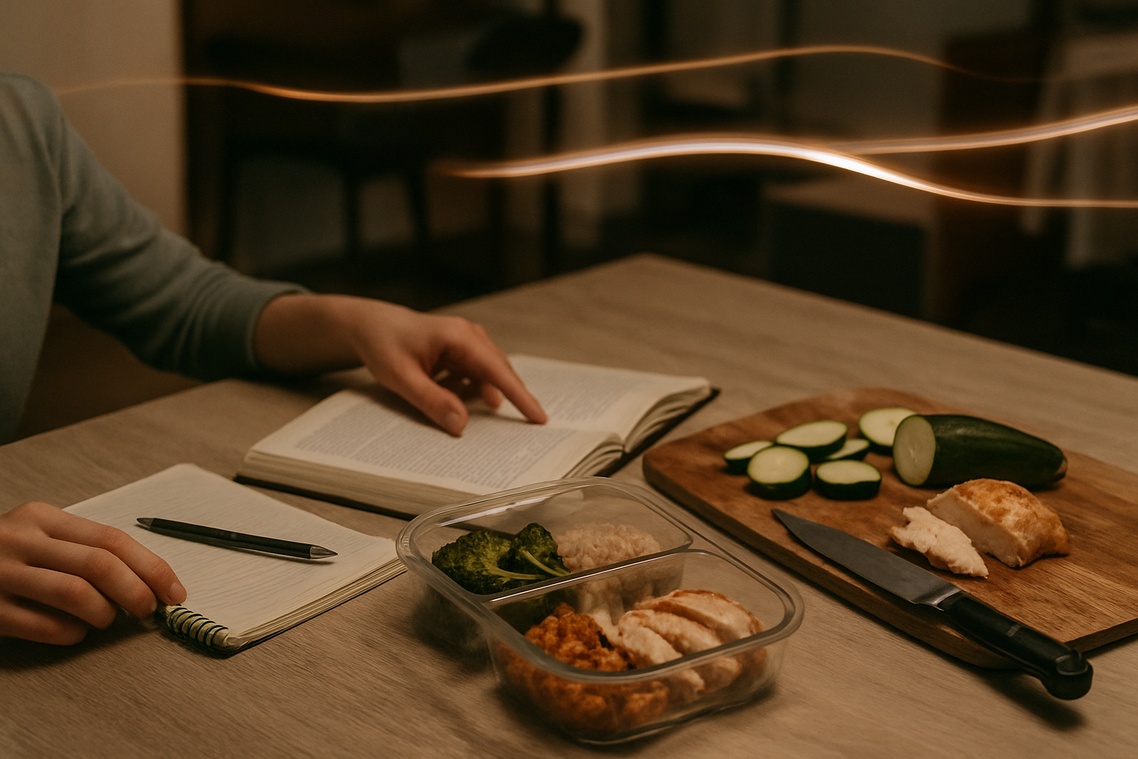
Let me start with this: there is no single “best” meal plan. Anyone who says otherwise probably doesn’t have soccer practice on Thursday and a toddler meltdown on Tuesday (just saying). The real goal is finding a rhythm that fits your family’s energy, schedule, and attention span.
In my experience, flexible weekly meal planning strategies work far better than rigid, color-coded systems that look good on Pinterest but fall apart by Wednesday.
Method 1: Themed Nights
Themed nights create a built-in framework, which simply means you reduce decision fatigue—the mental exhaustion that comes from making too many choices (a concept studied by psychologist Roy Baumeister).
For example:
- Monday: Meatless Monday
- Tuesday: Taco Tuesday
- Wednesday: Pasta Night
- Thursday: Slow Cooker
- Friday: Pizza Night
Suddenly, you’re not asking, “What’s for dinner?” You’re just asking, “Which tacos?” That’s a much easier question.
Some argue themes feel repetitive. I disagree. Structure actually creates freedom—you vary sauces, proteins, and sides without reinventing the wheel.
Method 2: Batch & Prep (Cook Once, Eat Twice)
Batch cooking means preparing core ingredients in advance to reuse later. Roast a whole chicken on Sunday. Night one: classic roast dinner. Night two: chicken tacos. Night three: chicken salad wraps.
The same works for ground beef (spaghetti, then stuffed peppers) or roasted veggies (grain bowls, then omelets).
Pro tip: season lightly at first so flavors can shift across meals.
Method 3: The “3+1” Minimalist Plan
If planning seven meals feels overwhelming, don’t. Plan three to four dinners. Leave space for leftovers, takeout, or “pantry night” (breakfast for dinner counts).
Honestly, this is my favorite for busy seasons. It builds margin into your week—just like learning how to create a 15 minute morning family routine.
Because sometimes the best plan isn’t perfect. It’s practical.
Meal planning doesn’t have to feel like solving a puzzle at 5 p.m. (when everyone is already hungry). With a few simple tools, you can make it almost automatic.
Build Your Go-To Toolkit
First, keep a perpetual grocery list. Stick a notepad on the fridge or use a shared phone note so anyone can add items the moment they run out. As a result, you’ll avoid the classic “We’re out of milk again?” scenario.
Next, stock a “flavor-booster” pantry—a small collection of staples that turn basics into real meals. Start with: quality olive oil, canned tomatoes, onions, garlic, pasta, rice, beans, broth, soy sauce, and dried herbs. For example, combine rice, beans, canned tomatoes, and spices for a quick burrito bowl. Pro tip: check these staples before planning your week so you’re not duplicating items.
When it comes to planning, there’s a low-tech vs. high-tech choice. A magnetic whiteboard or notebook is visible and distraction-free. On the other hand, recipe-saving apps and grocery-list apps sync across devices and store ideas neatly. Some argue apps overcomplicate things, but if you’re already on your phone, they can streamline weekly meal planning strategies.
Finally, lean on essential gear: a slow cooker for hands-off dinners, sheet pans for one-pan meals, and sturdy food storage containers to make leftovers tomorrow’s lunch.
Life Happens: How to Make Your Meal Plan Flexible and Fail-Proof
Even the best meal plans fall apart (because, well, kids). That’s why a “backup” meal matters. Keep one or two ultra-easy options—like frozen pizza or pasta with jarred sauce—on hand. Some argue this defeats the purpose of healthy planning. However, one less-than-perfect dinner beats expensive takeout or total burnout.
Meanwhile, picky eaters can make dinner feel like a standoff. Instead of battling, try deconstructed meals. Think taco bar: separate protein, veggies, tortillas, and toppings so everyone builds their own plate. Critics say this creates extra work, but it actually reduces complaints and food waste.
Similarly, rethink leftovers as “planned-overs.” Designate one night as a fridge-clean-out buffet. It saves money and cuts waste (the EPA estimates food waste is a major landfill contributor).
Finally, don’t be afraid to swap days. Meal plans—even weekly meal planning strategies—are guides, not contracts. If Tuesday’s stir-fry sounds exhausting, trade it for Thursday’s slow cooker meal.
Stress-free dinners aren’t about becoming a gourmet chef or adding another task to your already packed day. The goal is simple: reduce stress, not create a new chore. When we talk about a “system,” we just mean a repeatable approach you can lean on when your brain is tired (which, let’s be honest, is most evenings).
The daily “what’s for dinner?” question feels overwhelming, but it’s a solvable problem.
Start small:
• Pick one method.
• Plan three meals.
Using weekly meal planning strategies helps you build a routine that sticks.
Now, choose one approach and plan three dinners tonight.
Make Mealtimes Easier Starting This Week
You came here looking for realistic ways to simplify mealtime without sacrificing nutrition or your sanity. Now you have practical tools, smarter routines, and proven weekly meal planning strategies to help you stay ahead of the chaos instead of reacting to it.
The stress of last-minute dinners, picky eaters, and endless grocery runs can drain your energy fast. When you don’t have a plan, every evening feels like a scramble. But with a clear system in place, you can reduce decision fatigue, save time, and create calmer, more connected family meals.
Start small. Choose one or two weekly meal planning strategies and implement them this week. Prep ingredients in advance, map out simple dinners, and keep a go-to backup meal ready for busy nights. Consistency—not perfection—is what makes the difference.
If you’re tired of dinnertime stress and want reliable, mom-tested systems that actually work, explore more practical routines and time-saving tips designed for real life. Join thousands of moms who are simplifying their homes one smart habit at a time—start today and take control of your week before it controls you.
 Susan K. is the kind of writer who genuinely cannot publish something without checking it twice. Maybe three times. They came to child wellness and growth insights through years of hands-on work rather than theory, which means the things they writes about — Child Wellness and Growth Insights, Tips on Positive Behavior Strategies, Time-Saving Routines for Busy Moms, among other areas — are things they has actually tested, questioned, and revised opinions on more than once.
That shows in the work. Susan's pieces tend to go a level deeper than most. Not in a way that becomes unreadable, but in a way that makes you realize you'd been missing something important. They has a habit of finding the detail that everybody else glosses over and making it the center of the story — which sounds simple, but takes a rare combination of curiosity and patience to pull off consistently. The writing never feels rushed. It feels like someone who sat with the subject long enough to actually understand it.
Outside of specific topics, what Susan cares about most is whether the reader walks away with something useful. Not impressed. Not entertained. Useful. That's a harder bar to clear than it sounds, and they clears it more often than not — which is why readers tend to remember Susan's articles long after they've forgotten the headline.
Susan K. is the kind of writer who genuinely cannot publish something without checking it twice. Maybe three times. They came to child wellness and growth insights through years of hands-on work rather than theory, which means the things they writes about — Child Wellness and Growth Insights, Tips on Positive Behavior Strategies, Time-Saving Routines for Busy Moms, among other areas — are things they has actually tested, questioned, and revised opinions on more than once.
That shows in the work. Susan's pieces tend to go a level deeper than most. Not in a way that becomes unreadable, but in a way that makes you realize you'd been missing something important. They has a habit of finding the detail that everybody else glosses over and making it the center of the story — which sounds simple, but takes a rare combination of curiosity and patience to pull off consistently. The writing never feels rushed. It feels like someone who sat with the subject long enough to actually understand it.
Outside of specific topics, what Susan cares about most is whether the reader walks away with something useful. Not impressed. Not entertained. Useful. That's a harder bar to clear than it sounds, and they clears it more often than not — which is why readers tend to remember Susan's articles long after they've forgotten the headline.