
If you’re constantly juggling meals, school runs, work tasks, and the never-ending laundry pile, you’re not alone. Modern motherhood comes with a full schedule and very little margin for trial and error. That’s exactly why this guide exists—to help you simplify daily routines, support your child’s well-being, and create a calmer, more organized home without adding more to your plate.
In this article, you’ll find practical parenting essentials, realistic behavior strategies, time-saving routines, and smart home organization hacks that actually work for busy moms. Everything is designed to align with what you’re searching for: clear, doable solutions that fit into real life—not picture-perfect moments.
The insights shared here are grounded in research-backed child development principles, practical wellness guidance, and tested routines used by experienced parents. You’ll walk away with actionable steps you can start using today to make family life smoother, more balanced, and far less overwhelming.
Feeling buried under toys, laundry, and paper piles? You’re not lazy—you’re overloaded. A calmer home starts with simple, repeatable systems designed for family life.
Try this 3-step reset:
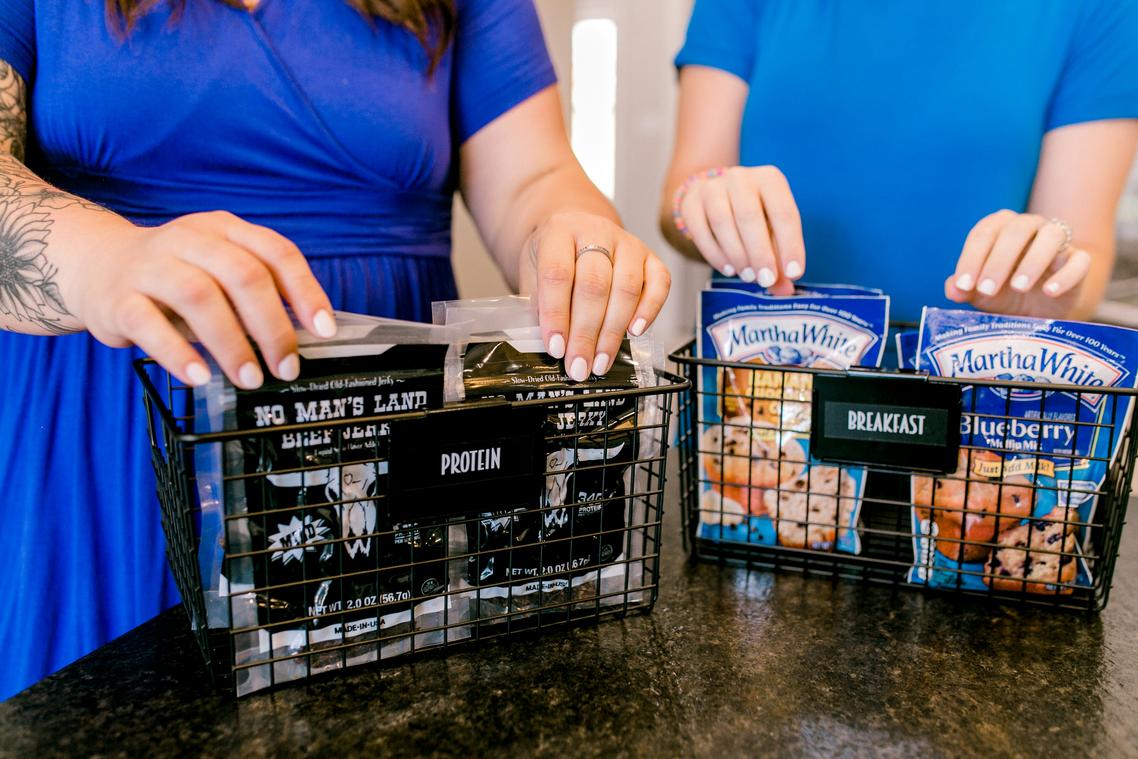
- Create “drop zones” by the door with labeled bins for shoes, backpacks, and mail.
- Use clear storage containers so kids see what belongs where (visibility reduces resistance).
- Set a 10-minute nightly tidy timer—short sprints beat marathon cleans.
These home organization hacks work because they reduce decision fatigue, a term psychologists use for the mental drain of choices (APA). Small structure, big relief. Pro tip: store cleaning wipes in bathroom.
The 15-Minute Method: How to Start Small and Build Momentum
Feeling overwhelmed before you even begin? You’re not alone. I can’t promise this will magically solve every clutter hotspot (honestly, some weeks nothing feels magical), but it can make starting easier.
The Power 15 Concept
The idea is simple: set a timer for 15 minutes and focus on one tiny, specific area. Not the whole kitchen. Just the junk drawer. Not the entire pantry. One shelf. When the timer ends, you stop. That’s it.
This approach works because it shrinks the task. Psychologists call this task chunking—breaking big goals into manageable pieces to reduce mental resistance (American Psychological Association). In plain terms: it feels doable.
5 Quick 15-Minute Wins
- Clear one bathroom drawer
- Sort the pile of mail
- Wipe and reset one kitchen counter
- Tidy a single toy bin
- Organize one fridge shelf
- Declutter your nightstand
Think of it as practical home organization hacks that fit real life (because who has three uninterrupted hours?).
The Psychological Win
Momentum builds confidence. Each small finish tells your brain, See? You do have time. I’ll admit, it sounds almost too simple—but small daily proof adds up. Fifteen minutes today. Fifteen tomorrow. Suddenly, the mountain looks more like a series of manageable steps.
Creating “Zones”: A Place for Everything, and Everything in Its Place”
If your home feels like items magically “wander” from room to room (looking at you, rogue water bottles), zoning is your fix. A zone is simply a clearly defined area assigned to a specific activity or category. Think of it as giving every item a permanent address.
Start by defining your zones. For example, designate one end of the kitchen table as a homework station with a caddy of pencils and paper. Create a mudroom zone by the door with hooks, labeled baskets, and a shoe tray. Set up a craft corner with a rolling cart and wipeable mat. When spaces have purpose, clutter has fewer places to hide.
Next, try the Toy Rotation System. Place most toys in labeled bins and store them out of sight. Then rotate a small selection every two to three weeks. Fewer choices reduce overwhelm and actually boost engagement (studies show children focus better with limited options, APA). Pro tip: snap a quick photo of each bin’s contents to make resets easier.
Finally, label everything. Use words for older kids and pictures for younger ones. Clear labels turn cleanup into a shared habit, not a daily debate.
Pair zoning with smart scheduling, like these time blocking tips for stay at home moms, and your home organization hacks will finally stick.
The “One In, One Out” Rule: Your Secret Weapon Against Clutter Creep
Clutter doesn’t explode overnight—it creeps in quietly (like glitter after craft time). The “One In, One Out” rule stops that creep before it takes over your closets, toy bins, and sanity.
Here’s how it works: for every new item that enters your home, one old item leaves. New sweater? Donate one you rarely wear. Birthday toy? Choose one to pass along. This simple system controls the flow of stuff—meaning less mess, less stress, and fewer overwhelming cleanups.
What’s in it for you?
- Fewer overstuffed drawers
- Easier cleaning routines
- Kids who value what they own
- A home that feels calm, not chaotic
When applying this to kids’ items, be proactive. Before birthdays or holidays, help your child pick a few toys to donate. When new art supplies arrive, test the old markers and toss the dried ones. It becomes one of those home organization hacks that actually sticks.
To make it a family habit, explain the benefit: “We make space for what we love.” Keep a donation bin in a closet for easy swaps. Pro tip: celebrate the habit—small rewards reinforce consistency.
Some argue kids should keep everything “just in case.” But in reality, fewer choices often mean deeper play and less overwhelm (science backs decision fatigue, too).
Go Vertical: Smart Storage Solutions for Family Homes
Growing families don’t usually need bigger houses. They need smarter systems. The real win? Using the space you already own—just higher up.
Think Up, Not Out
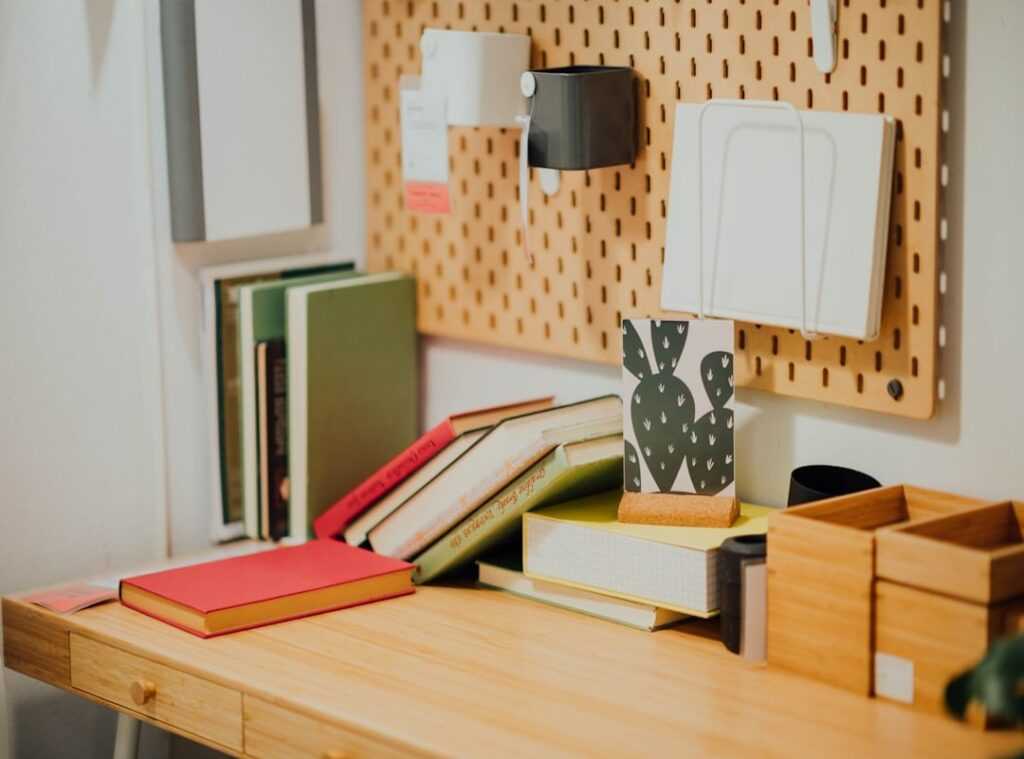
When floor space disappears (usually under a pile of LEGOs), go vertical. Tall, narrow bookshelves maximize square footage without crowding walkways. Wall-mounted shelving keeps books, baskets, and memory boxes off the ground. Stacked storage bins turn closets into organized powerhouses.
Some argue vertical storage feels cluttered or unsafe for kids. Fair point. But anchoring shelves to studs and using labeled bins solves both problems. According to the U.S. Consumer Product Safety Commission, securing furniture significantly reduces tip-over injuries (CPSC.gov). Safety and storage can coexist.
The Power of Doors and Walls
Doors are storage goldmines. Over-the-door organizers hold shoes, toiletries, or pantry snacks. Wall-mounted magnetic strips neatly display toy cars or spice jars (yes, it looks Pinterest-worthy). These overlooked zones are where most competitors stop short—they rarely address wall depth planning or weight limits.
- Measure door clearance before installing racks.
- Use clear pockets so kids see options instantly.
- Rotate items seasonally to prevent overload.
Kid-Friendly Accessibility
Place cups, snacks, and favorite toys on lower shelves. Independence builds confidence—and reduces the 47 daily “Mom, can you get this?” requests. Pro tip: dedicate one bottom drawer per child.
Smart vertical systems aren’t just trendy home organization hacks. They’re sanity savers.
Building an Organized Home, One Habit at a Time
Building an Organized Home, One Habit at a Time
You now have a toolkit of simple, effective strategies—from the 15-minute tidy to the “one in, one out” rule—to tackle household clutter.
Still, as one mom told me, “I’m not trying to impress anyone; I’m trying to find my keys.” That shift matters. The goal isn’t perfection; it’s function.
Here’s why it sticks:
- Start small and repeat daily.
- Attach new habits to routines you already do.
- Celebrate wins.
As parent laughed, “Set a timer, race clock, and stop.” Explore home organization hacks and choose one step today.
By implementing smart home organization hacks for faster cleanups, you can create a clutter-free environment that not only enhances your living space but also supports your focus—much like What Research Says About Screen Time and Attention Spans.
Create a Calmer, More Organized Home Starting Today
You came here looking for practical ways to bring more peace, structure, and sanity into your daily routine. Now you have simple strategies to streamline your schedule, support your child’s well-being, and take control of the chaos that can make motherhood feel overwhelming.
The real challenge isn’t knowing what to do — it’s consistently applying small, smart systems that reduce stress and save time. When clutter piles up and routines fall apart, frustration builds fast. That’s why simple shifts like meal planning, predictable bedtimes, and home organization hacks make such a powerful difference. They turn daily stress into manageable, repeatable rhythms.
Now it’s your move.
Start with one routine. One drawer. One habit. Build momentum from there.
Thousands of moms are already transforming their homes with proven, practical strategies that actually work in real life. If you’re ready to stop feeling behind and start feeling in control, explore more time-saving systems and parenting solutions now — and create the calm, confident home your family deserves.
 Vanessa W. has opinions about child wellness and growth insights. Informed ones, backed by real experience — but opinions nonetheless, and they doesn't try to disguise them as neutral observation. They thinks a lot of what gets written about Child Wellness and Growth Insights, Daily Digest, Time-Saving Routines for Busy Moms is either too cautious to be useful or too confident to be credible, and they's work tends to sit deliberately in the space between those two failure modes.
Reading Vanessa's pieces, you get the sense of someone who has thought about this stuff seriously and arrived at actual conclusions — not just collected a range of perspectives and declined to pick one. That can be uncomfortable when they lands on something you disagree with. It's also why the writing is worth engaging with. Vanessa isn't interested in telling people what they want to hear. They is interested in telling them what they actually thinks, with enough reasoning behind it that you can push back if you want to. That kind of intellectual honesty is rarer than it should be.
What Vanessa is best at is the moment when a familiar topic reveals something unexpected — when the conventional wisdom turns out to be slightly off, or when a small shift in framing changes everything. They finds those moments consistently, which is why they's work tends to generate real discussion rather than just passive agreement.
Vanessa W. has opinions about child wellness and growth insights. Informed ones, backed by real experience — but opinions nonetheless, and they doesn't try to disguise them as neutral observation. They thinks a lot of what gets written about Child Wellness and Growth Insights, Daily Digest, Time-Saving Routines for Busy Moms is either too cautious to be useful or too confident to be credible, and they's work tends to sit deliberately in the space between those two failure modes.
Reading Vanessa's pieces, you get the sense of someone who has thought about this stuff seriously and arrived at actual conclusions — not just collected a range of perspectives and declined to pick one. That can be uncomfortable when they lands on something you disagree with. It's also why the writing is worth engaging with. Vanessa isn't interested in telling people what they want to hear. They is interested in telling them what they actually thinks, with enough reasoning behind it that you can push back if you want to. That kind of intellectual honesty is rarer than it should be.
What Vanessa is best at is the moment when a familiar topic reveals something unexpected — when the conventional wisdom turns out to be slightly off, or when a small shift in framing changes everything. They finds those moments consistently, which is why they's work tends to generate real discussion rather than just passive agreement.