
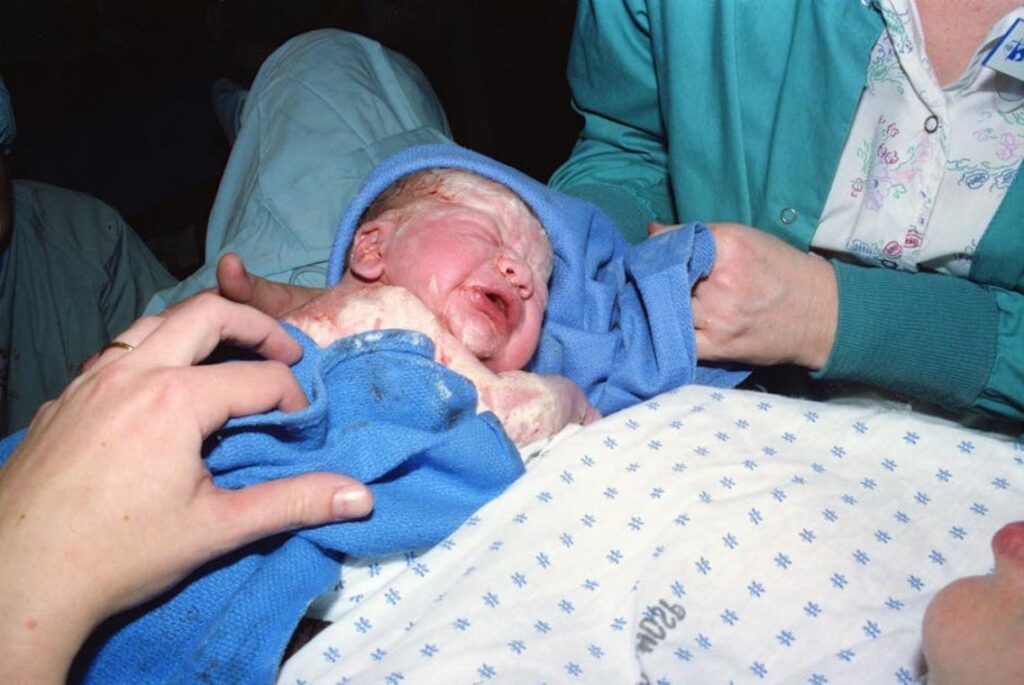
If you’ve ever wondered why your firstborn is so responsible, your middle child craves attention, or your youngest seems extra charming, you’re likely searching for answers about birth order personality traits. Many parents notice patterns among their children and want to understand whether birth order truly shapes behavior, confidence, and family dynamics.
In this article, we’ll explore what research says about how birth order may influence personality, strengths, and challenges in children. We’ll break down common traits associated with firstborns, middle children, youngest siblings, and only children—while also addressing the myths that often surround this topic.
Our insights are grounded in established child development research and psychological studies on family dynamics, so you can feel confident you’re getting evidence-informed guidance. By the end, you’ll have a clearer understanding of how birth order may be influencing your child—and practical ways to support their unique personality.
Picture this: the responsible older sibling organizing the game while the youngest charms their way out of cleanup. Sound familiar? For decades, psychologists have asked whether a child’s place in the lineup shapes who they become. Alfred Adler proposed that birth order personality traits in the section once exactly as it is given influence confidence, leadership, or risk-taking tendencies. However, these patterns aren’t destiny. Instead, think of them as clues. So what’s next? Consider how your child’s role affects expectations at home, then adjust routines, praise, and responsibilities to support their individuality. Every child still writes their own story uniquely.
The Firstborn: Natural Leaders or People-Pleasers?
Understanding how birth order may influence personality traits can be as crucial to family dynamics as implementing effective Weekly Meal Planning Strategies That Save Hours in the kitchen.
Firstborn children are often described as responsible, conscientious, cautious, and high-achieving. They’re the family’s trailblazers—the ones who test the waters first (and report back). If you’ve noticed your oldest organizing siblings like a tiny CEO, you’re not imagining it. Research on birth order personality traits suggests firstborns are more likely to take on leadership roles and value achievement (Sulloway, 1996).
Why does this happen? Early on, they receive undivided parental attention. Then—plot twist—a sibling arrives. Suddenly, they’re the “example.” That shift often builds a deep sense of responsibility and maturity. The upside? Strong leadership skills, independence, and a drive that can carry them far in school and beyond. (Think Hermione Granger energy.)
But there’s a flip side. High standards can morph into perfectionism. Praise tied only to results may fuel a fear of failure. Some firstborns quietly carry pressure like an overstuffed backpack.
Here’s the benefit of understanding this dynamic: you can help your child keep the confidence without the crushing weight. Parenting tip: Praise effort, not just outcomes. Say, “I’m proud of how hard you worked,” instead of focusing solely on the grade.
Pro tip: Occasionally let them see you make mistakes—and recover calmly. That’s leadership, too.
The Middle Child: Peacemakers or Lost in the Shuffle?
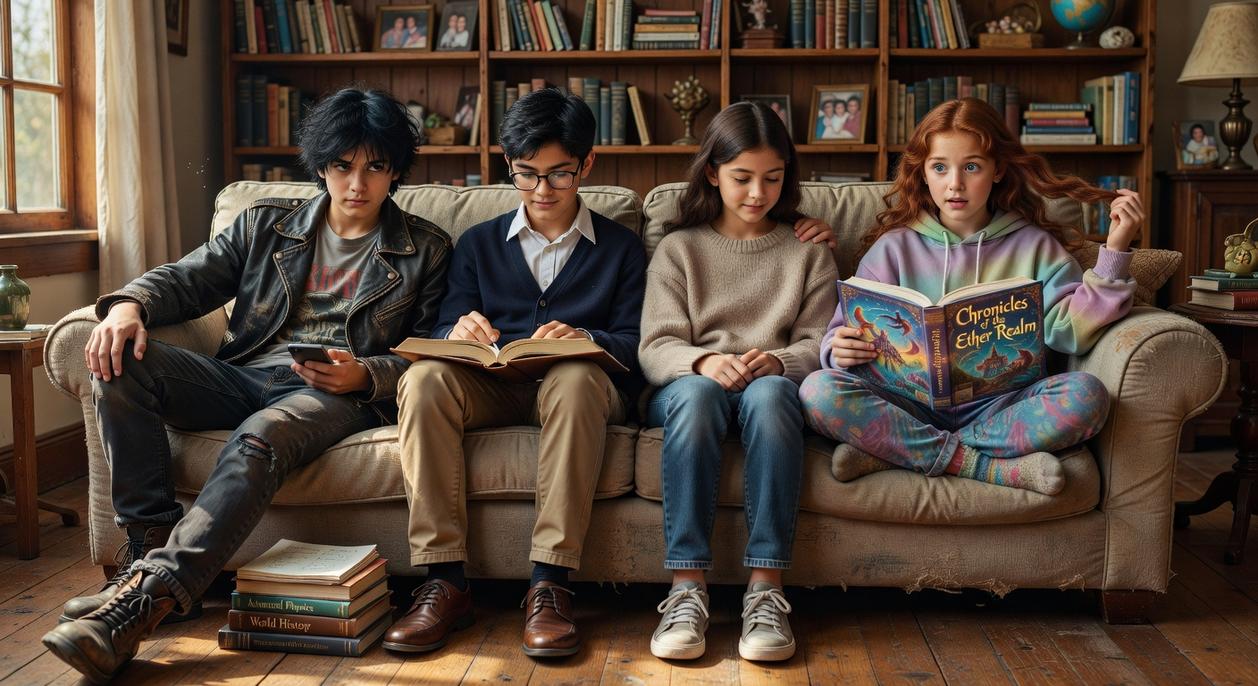
First, picture the typical middle child. They’re agreeable, diplomatic, loyal, and highly social — the family’s unofficial “harmonizers.” As one mom told me, “If the older two are arguing, Maya is already in the middle saying, ‘Okay, let’s all calm down.’” That instinct isn’t random.
Because they’re sandwiched between an accomplished older sibling and a catered-to younger one, middle kids often learn to negotiate early. Meanwhile, the oldest blazes trails and the youngest soaks up attention. So where does that leave the one in between? Often turning outward — toward friendships, teams, and classmates — to carve out identity. Researchers studying birth order personality traits have long noted this social adaptability (Sulloway, 1996).
However, not everyone buys into “middle child syndrome.” Some psychologists argue personality is shaped more by parenting style and environment than sibling position (APA, 2020). Fair point. And yet, many middle children quietly admit, “Sometimes I feel invisible.”
That feeling can lead to insecurity or second-guessing decisions. They’re so used to keeping peace that choosing for themselves feels unfamiliar.
So what helps? Schedule regular one-on-one “dates.” Even 20 minutes says, “I see you.” Pro tip: Let them choose the activity — it builds decision-making confidence and reinforces that their voice matters.
The Youngest: Charming Free-Spirits or Rule-Breakers?
The youngest child often steals the spotlight. They’re outgoing, funny, creative, and sometimes just a little rebellious. In many families, they become the entertainer—the one cracking jokes at dinner or negotiating a later bedtime like a tiny lawyer in pajamas. According to research on birth order personality traits, last-born children are more likely to take risks and challenge norms (Sulloway, 1996). Still, not every youngest turns into a rule-breaker, and experts continue debating how much birth order truly shapes personality.
So what’s the “why” behind the stereotype? For starters, parents are usually more relaxed by the time the youngest arrives. The strict rules applied to older siblings often soften (experience builds confidence). With less pressure and more freedom, the youngest may feel safe exploring their personality.
On the other hand, critics argue that labeling kids by birth order oversimplifies complex family dynamics—and they’re not wrong. Temperament, parenting style, and environment all play a role.
However, challenges can pop up. Some youngest children may be seen as manipulative or less self-reliant if they’re overly “babied.” That’s where intention matters.
A helpful strategy? Assign meaningful, age-appropriate responsibilities. Giving them real tasks fosters independence and contribution. And when they claim they’re bored, remember the value of free time—see the surprising benefits of boredom for kids for why that space can actually spark growth.
Only children often appear mature for their age, articulate in conversation, and surprisingly resourceful. They’re comfortable with solitude and can hold their own in adult company. Because they spend much of childhood surrounded by adults, their vocabulary and emotional awareness accelerate. In addition, they learn to entertain themselves, turning boredom into creativity.
Critics still cling to birth order personality traits and label the only child spoiled, lonely, or bossy. However, confidence can look like bossiness, and independence rarely equals isolation. Is it selfish to be self-sufficient? More often, these kids simply have strong communication skills and clear boundaries.
That said, consistent peer interaction matters. Schedule playdates, enroll them in team sports, or join clubs where sharing and collaboration are practiced, not preached. With balance, the confident soloist grows into a secure, socially fluent adult. Ultimately, their independence becomes a lifelong asset in school, work, and relationships. Confidence defines their story.
Last year, I watched my twin nieces argue over who was “older.” Technically, it was a three‑minute difference, yet one naturally led while the other happily followed. That moment reminded me that birth order personality traits don’t always fit neatly. In fact, families are far more layered. For instance, a five‑year gap can reset dynamics, creating two confident “firstborns.” Meanwhile, blended homes introduce step‑siblings who may duplicate or swap roles overnight. Some argue labels don’t matter. However, I’ve seen patterns resurface during chores, conflicts, and even bedtime routines. Ultimately, understanding the nuance helps parents respond with empathy, not assumptions thoughtfully.
Parenting the Child, Not the Position
Birth order personality traits can be insightful, but they’re hardly destiny. Firstborn leader? Youngest rebel? Maybe—or maybe not. Temperament, environment, and parenting style shape far more than labels do.
- See your child, not their slot.
Use insights for empathy, then prioritize individuality always.
Helping You Navigate Birth Order Personality Traits with Confidence
You came here to better understand how birth order personality traits may be shaping your child’s behavior, strengths, and challenges—and now you have a clearer lens to see it through. Whether you’re parenting a natural-born leader, a peacekeeping middle child, or a fiercely independent youngest, recognizing these patterns helps you respond with empathy instead of frustration.
When sibling dynamics feel overwhelming or certain behaviors keep repeating, it’s exhausting and confusing. Understanding birth order personality traits gives you practical insight so you can guide each child according to their unique needs—not just react in the moment.
Now it’s time to put this knowledge into action. Start observing your child through this new perspective, adjust your approach where needed, and create routines that support their strengths while gently guiding their growth.
If you’re ready for more real-life parenting strategies that actually work, explore our expert-backed resources trusted by thousands of modern moms. Discover simple, time-saving tips designed to reduce stress and strengthen your family dynamic—start today and feel the difference in your home.
 James R. writes the kind of child wellness and growth insights content that people actually send to each other. Not because it's flashy or controversial, but because it's the sort of thing where you read it and immediately think of three people who need to see it. James has a talent for identifying the questions that a lot of people have but haven't quite figured out how to articulate yet — and then answering them properly.
They covers a lot of ground: Child Wellness and Growth Insights, Tips on Positive Behavior Strategies, Time-Saving Routines for Busy Moms, and plenty of adjacent territory that doesn't always get treated with the same seriousness. The consistency across all of it is a certain kind of respect for the reader. James doesn't assume people are stupid, and they doesn't assume they know everything either. They writes for someone who is genuinely trying to figure something out — because that's usually who's actually reading. That assumption shapes everything from how they structures an explanation to how much background they includes before getting to the point.
Beyond the practical stuff, there's something in James's writing that reflects a real investment in the subject — not performed enthusiasm, but the kind of sustained interest that produces insight over time. They has been paying attention to child wellness and growth insights long enough that they notices things a more casual observer would miss. That depth shows up in the work in ways that are hard to fake.
James R. writes the kind of child wellness and growth insights content that people actually send to each other. Not because it's flashy or controversial, but because it's the sort of thing where you read it and immediately think of three people who need to see it. James has a talent for identifying the questions that a lot of people have but haven't quite figured out how to articulate yet — and then answering them properly.
They covers a lot of ground: Child Wellness and Growth Insights, Tips on Positive Behavior Strategies, Time-Saving Routines for Busy Moms, and plenty of adjacent territory that doesn't always get treated with the same seriousness. The consistency across all of it is a certain kind of respect for the reader. James doesn't assume people are stupid, and they doesn't assume they know everything either. They writes for someone who is genuinely trying to figure something out — because that's usually who's actually reading. That assumption shapes everything from how they structures an explanation to how much background they includes before getting to the point.
Beyond the practical stuff, there's something in James's writing that reflects a real investment in the subject — not performed enthusiasm, but the kind of sustained interest that produces insight over time. They has been paying attention to child wellness and growth insights long enough that they notices things a more casual observer would miss. That depth shows up in the work in ways that are hard to fake.