

I’ve always been fascinated by the power of a simple image. Gambar lelaki dari belakang—an image of a man viewed from the back—can tell a story in ways that no other perspective can.
Why is this view so compelling? It’s not just about what you see, but what you don’t. The unseen face invites curiosity.
What is he thinking? Where is he going?
In photography, film, and art, this perspective adds depth and mystery. It draws the viewer in, making them part of the story.
We’ll explore how and why this works. You might be surprised by the impact it can have on visual storytelling. Trust me, it’s worth a closer look.
Understanding the Back View: Aesthetic and Emotional Impact
A back view can be incredibly powerful. It’s not just about what you see, but how it makes you feel.
Think about a gambar lelaki dari belakang. The way the light hits the shoulders, the framing of the scene, and the overall composition all play a role in its visual appeal.
Good lighting can highlight the contours and textures, making the image more engaging. Framing can draw your eye to specific details, creating a balanced and harmonious look.
But it’s not just about aesthetics. A back view can evoke strong emotions. It might make you curious about the person’s story or even spark a sense of introspection.
Why? Because you can’t see their face. This creates a sense of mystery.
You wonder what they’re thinking, where they’re going, and what their life is like.
Psychologically, a back view can also foster empathy. When you can’t see someone’s expression, you might project your own feelings onto them. This can create a deeper connection between the viewer and the subject.
So, if you’re looking to capture a back view, focus on the lighting and framing. Use natural light when possible, and frame the shot to tell a story.
And remember, the emotional impact is just as important. Think about the mood you want to set and how you can use the back view to create that feeling.
Photography Techniques for Capturing the Perfect Back View
When it comes to capturing the perfect back view, composition is key. I used to just point and shoot, but that rarely gave me the results I wanted. The rule of thirds is a great starting point.
Imagine your frame divided into a 3×3 grid and place your subject along one of those lines. It makes the photo more interesting.
Lighting can make or break a shot. I once tried to take a photo of gambar lelaki dari belakang in harsh sunlight. The result?
A washed-out, unappealing image. Now, I prefer natural light, especially during the golden hour—early morning or late afternoon. If you’re using artificial lighting, make sure it’s soft and diffused to avoid harsh shadows.
Camera settings are crucial too. For a sharp, clear image, use a wide aperture (like f/2.8) to blur the background and focus on the subject. Shutter speed should be fast enough to avoid motion blur, around 1/125 or faster.
ISO should be low, around 100-400, to keep noise to a minimum.
I learned these lessons the hard way. Trial and error taught me that small adjustments can make a big difference. Don’t be afraid to experiment and see what works best for you.
Use in Film and Cinema: Iconic Scenes and Their Impact
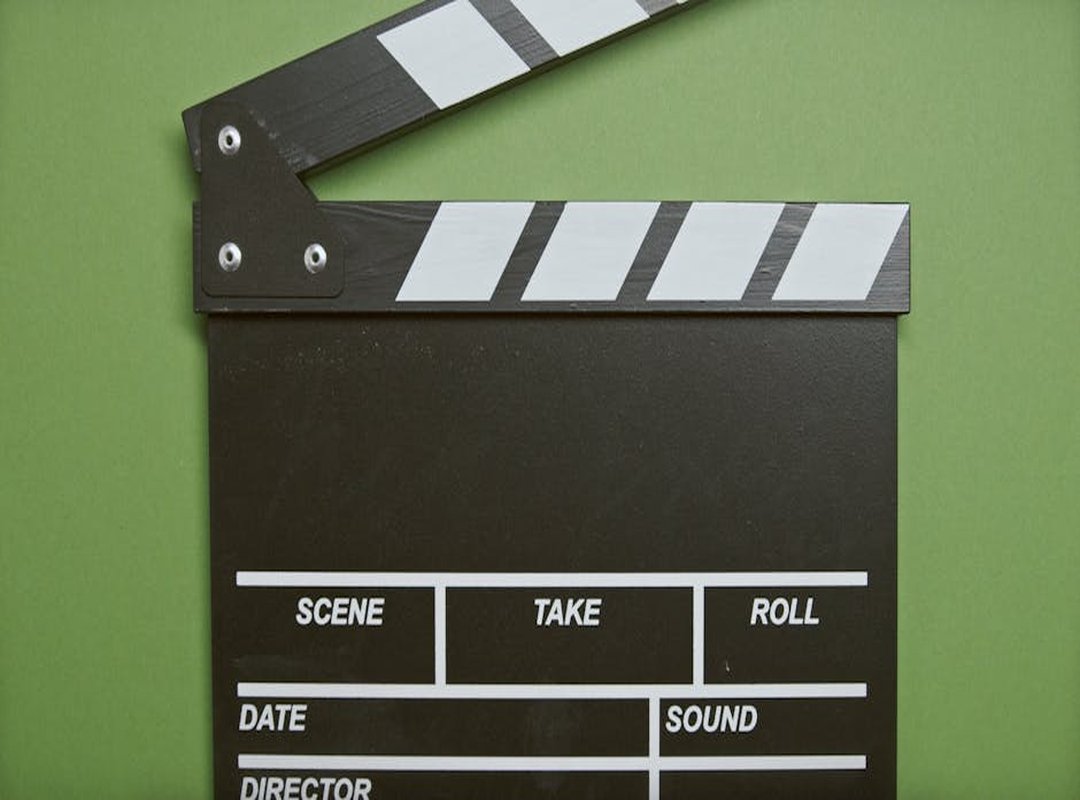
When you think about memorable movie scenes, the back view of a male character might not be the first thing that comes to mind. But it’s more impactful than you’d think.
Take, for example, the iconic shot of Tony Montana in Scarface. The camera captures him from behind, standing on his balcony, overlooking Miami. It’s a moment of reflection and power.
This shot tells us more about Tony’s ambitions and the weight of his decisions without a single word.
In The Good, the Bad and the Ugly, the back view of Clint Eastwood’s character, the Man with No Name, is used to build tension. As he walks through the desert, the audience feels the isolation and the impending confrontation. It’s a simple yet effective way to set the mood.
These shots aren’t just pretty pictures. They serve a narrative function. They can show a character’s vulnerability, their determination, or their isolation.
A back view can make a character feel more real, more relatable.
Directors use these shots to convey deeper emotions and themes. In The Shawshank Redemption, when Andy Dufresne stands in the rain after escaping, the back view symbolizes his freedom and the washing away of his past. It’s a powerful visual that resonates with the audience.
The director’s intent is often to create a connection between the viewer and the character. By seeing the character from behind, we’re invited into their world, sharing their perspective and feelings.
Understanding these cinematic techniques can help you appreciate the artistry in film. (And if you want to stay informed about other aspects of culture and current events, check out top global headlines explained in simple terms.)
Next time you watch a movie, pay attention to those back views. You might see gambar lelaki dari belakang in a whole new light.
Artistic Representation: The Back View in Fine Art and Illustration
The back view in art has a long and fascinating history. You see it in classical paintings and sculptures, and it’s still popular in contemporary works.
Why the back view? It’s not just about aesthetics. There’s a lot of symbolism and meaning behind it.
In classical art, the back view often symbolized introspection and solitude. Think of the Muse contemplating by the river. It was a way to show the inner life of the subject without the distraction of their face.
Today, the back view is used for different reasons. It can create a sense of mystery or distance. It invites the viewer to imagine more.
- Symbolism of introspection and solitude
- Creating a sense of mystery
- Inviting the viewer to imagine more
Take the gambar lelaki dari belakang for example. It’s a modern take on an old theme. The back view here might suggest a man deep in thought, or perhaps he’s walking away from something.
It’s up to you to decide.
I think the back view is powerful because it leaves room for interpretation. It’s not telling you what to think; it’s asking you to fill in the blanks. That’s why it’s so enduring in both fine art and illustration.
Artists use the back view to tell stories without words. It’s a subtle but effective way to engage the viewer. And that’s why it continues to be a favorite in the art world.
Practical Applications: Using Back View Images in Various Media
I remember the first time I saw a back view image used in a marketing campaign. It was for a travel company, and the image showed a person standing on a cliff, looking out at a breathtaking sunset. The tagline read, “Find Your Adventure.” It stuck with me.
Back view images can create a strong visual impact in marketing and advertising. They evoke a sense of mystery and intrigue. People wonder what the subject is seeing or thinking.
This makes the viewer more engaged and curious.
In social media, back view images are a great way to stand out. On platforms like Instagram and Facebook, where everyone’s competing for attention, these images can make your posts more memorable.
For example, a gambar lelaki dari belakang (back view image of a man) walking away into a bustling city can tell a story without showing the face. It can make your audience feel like they’re part of the scene, not just observing it.
When using back view images, think about the mood you want to set. Are you going for something mysterious? Adventurous?
Reflective? The right image can help you convey that emotion effectively.
The Enduring Power of the Back View
gambar lelaki dari belakang captures a unique and powerful perspective. This view can evoke a sense of mystery and intrigue, inviting viewers to wonder about the subject’s thoughts and destination. It also adds depth to visual storytelling, making it a versatile tool in photography, film, and art.
The back view can convey a range of emotions, from solitude and reflection to anticipation and movement. It is particularly effective in creating a connection between the viewer and the scene, as if they are part of the journey.
Practically, this angle allows for a focus on the environment or the action happening around the subject, adding context and narrative.
Experiment with the back view in your creative projects. You might discover new ways to enhance your storytelling and create more engaging and emotive visuals.
 James Raynerovans writes the kind of child wellness and growth insights content that people actually send to each other. Not because it's flashy or controversial, but because it's the sort of thing where you read it and immediately think of three people who need to see it. James has a talent for identifying the questions that a lot of people have but haven't quite figured out how to articulate yet — and then answering them properly.
They covers a lot of ground: Child Wellness and Growth Insights, Tips on Positive Behavior Strategies, Time-Saving Routines for Busy Moms, and plenty of adjacent territory that doesn't always get treated with the same seriousness. The consistency across all of it is a certain kind of respect for the reader. James doesn't assume people are stupid, and they doesn't assume they know everything either. They writes for someone who is genuinely trying to figure something out — because that's usually who's actually reading. That assumption shapes everything from how they structures an explanation to how much background they includes before getting to the point.
Beyond the practical stuff, there's something in James's writing that reflects a real investment in the subject — not performed enthusiasm, but the kind of sustained interest that produces insight over time. They has been paying attention to child wellness and growth insights long enough that they notices things a more casual observer would miss. That depth shows up in the work in ways that are hard to fake.
James Raynerovans writes the kind of child wellness and growth insights content that people actually send to each other. Not because it's flashy or controversial, but because it's the sort of thing where you read it and immediately think of three people who need to see it. James has a talent for identifying the questions that a lot of people have but haven't quite figured out how to articulate yet — and then answering them properly.
They covers a lot of ground: Child Wellness and Growth Insights, Tips on Positive Behavior Strategies, Time-Saving Routines for Busy Moms, and plenty of adjacent territory that doesn't always get treated with the same seriousness. The consistency across all of it is a certain kind of respect for the reader. James doesn't assume people are stupid, and they doesn't assume they know everything either. They writes for someone who is genuinely trying to figure something out — because that's usually who's actually reading. That assumption shapes everything from how they structures an explanation to how much background they includes before getting to the point.
Beyond the practical stuff, there's something in James's writing that reflects a real investment in the subject — not performed enthusiasm, but the kind of sustained interest that produces insight over time. They has been paying attention to child wellness and growth insights long enough that they notices things a more casual observer would miss. That depth shows up in the work in ways that are hard to fake.