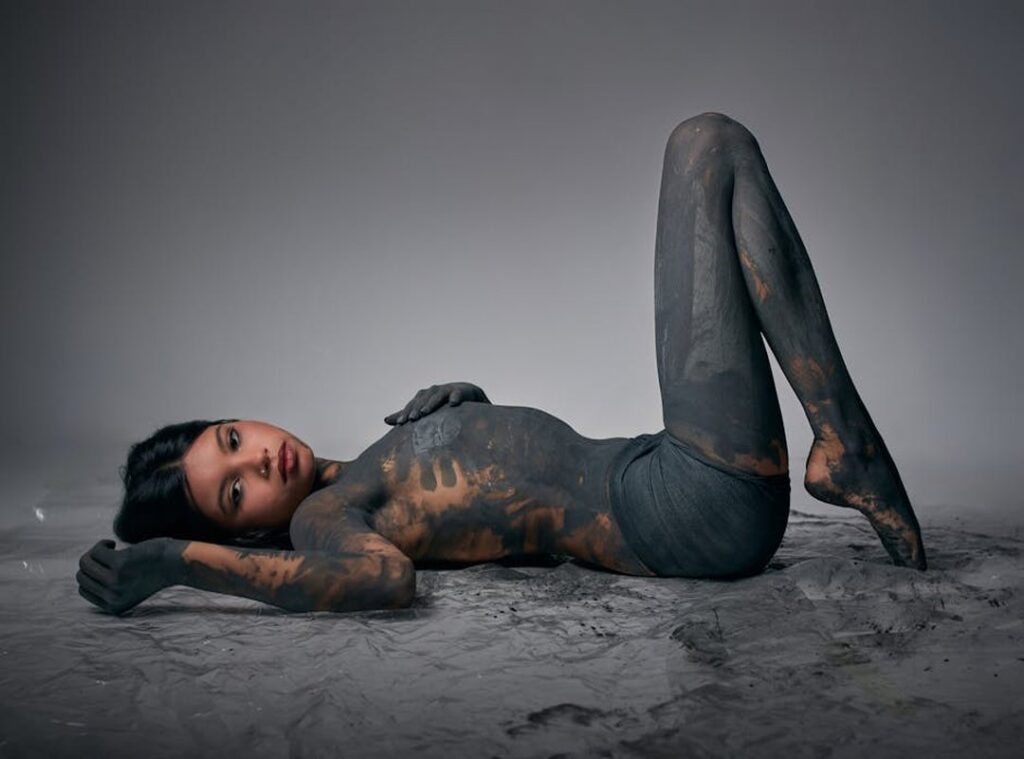
A beautifully designed character can fall flat if the pose is lifeless, especially when it becomes a permanent part of someone’s story on their skin.
Finding or creating poses that are not only dynamic but also flow with the natural curves of the human body is a real challenge for artists.
This guide will help you find, choose, and adapt a body gacha pose base for body art that elevates your work.
The right pose makes all the difference between a static image and a character that feels alive.
Using templates can streamline the design process, allowing more time for creativity and detail.
Think of the body as a living canvas. The pose is the critical first step in designing for it.
Dynamic vs. Static: Poses That Tell a Powerful Story
I remember the first time I saw a body gacha pose base. It was a simple, neutral standing figure, and it made me realize how much a pose can change the entire feel of a piece.
Static poses are those like a neutral standing or a simple sitting. They’re great for stoic portraits or memorial pieces. There’s a calm and composed vibe to them that works well for these types of art.
On the other hand, dynamic poses—like mid-action, leaping, crouching, or fighting stances—create more visual interest and emotional impact. These poses tell a story in themselves, making the artwork come alive.
One key concept to understand is the line of action. This is an imaginary line that runs through a character’s body. A strong, curved line of action creates a sense of movement and energy, making the pose more engaging.
Think about a warrior standing guard. That’s a static pose. It shows strength and stability.
But a warrior mid-swing? That’s dynamic. It tells a story of action, power, and maybe even a bit of danger.
Choosing the right pose style depends on the character’s personality and the story you want to tell. Even subtle shifts in weight or a slight tilt of the head can transform a static pose into something more engaging.
So, next time you’re planning a piece, think about what kind of story you want to tell. Do you want a calm, reflective moment, or an action-packed scene? The right pose can make all the difference.
Your Essential Library: 4 Types of Pose Templates to Master
When it comes to creating dynamic and engaging characters, having a solid library of pose templates is essential. Some might argue that relying on templates stifles creativity. But let’s be real, templates are like building blocks.
They give you a strong foundation to start from.
Action & Heroic Poses. These are your go-to for leaping, running, fighting, or landing. Think extended limbs, twisted torsos, and low centers of gravity.
Perfect for assassins or any character in the thick of battle.
Contemplative & Graceful Poses. These poses convey thought, sorrow, or elegance. Kneeling, crouching, or flowing dance-like movements.
The key here is posture and gesture. Mages and other ethereal characters fit well here.
Powerful & Confident Stances. Classic ‘superhero’ poses with hands on hips, wide stances, and puffed chests. These read as strong and stable because they take up more space.
Gods and leaders often use these to command attention.
Foreshortened & Perspective Poses. These are more advanced. A character reaching toward or away from the viewer.
They create incredible depth and a 3D effect on the skin. Body gacha pose base can be a great starting point for these.
Some might say these poses are too cliché. Sure, they’re common, but they work. They communicate clearly and effectively.
And when used creatively, they can still feel fresh and unique.
From Screen to Skin: Adapting Templates for the Human Canvas
The most critical step in tattooing is making a 2D template work on a 3D, moving surface. It’s not as simple as just slapping a design on skin.
Positioning is key. You need to understand the concept of ‘flow and wrap.’ This means placing poses along the natural lines of muscles. For example, wrapping a dragon along a forearm or a character down a calf.
Here are some specific tips for placement:
– Avoid putting crucial details like faces or hands directly on high-distortion areas like elbows, knees, or armpits.
– Modify the template to fit the body. A slight alteration in a leg’s angle can better fit the curve of a thigh.
Always use a stencil to place the design on the client. Have them move around. This way, you can see how the pose looks when the body is in motion.
Consider the ‘resting state’ of the body part. How will the art look when the client is sitting or standing naturally?
One more thing. Use a body gacha pose base to help visualize the final design. It’s a great tool for seeing how the design will flow with the body’s natural movements.
In the end, it’s all about making the design feel like it was made for that specific body. Not just a flat image, but a living, moving piece of art.
weekly reflection guide for moms who want more balance
Where to Find and Build Your Pose Reference Collection
Finding high-quality pose templates can be a game-changer for your art. Pinterest is a goldmine. Just search terms like ‘dynamic pose reference’ or ‘character art poses.’ ArtStation and DeviantArt’s stock image section are also great.
Digital tools and apps like MagicPoser or Design Doll let you create custom 3D character poses. They’re super handy.
You can also build your own personal reference library. Screen-shot poses from movies, comics, and video games. It’s a simple way to get a variety of dynamic and unique poses.
A body gacha pose base can be a useful starting point. It gives you a basic structure to work with and customize.
Don’t forget about physical tools. A simple wooden mannequin or even an action figure can help you explore angles and create unique poses. These hands-on tools are quick and effective.
In the future, I think we’ll see more AI-driven tools for creating and customizing poses. But for now, these resources should give you a solid foundation.
Transforming Your Vision into Living, Breathing Art
The pose is the narrative engine of character-based body art, giving it emotion and life. Using a body gacha pose base isn’t a shortcut; it’s a professional tool for achieving better composition and anatomical accuracy.
Choose a pose that tells a story. Select a fitting template. Adapt it thoughtfully to the human canvas.
Move beyond static images and start creating characters that truly move and breathe on skin. Feel empowered to experiment and build your own unique collection of go-to poses.
 James Raynerovans writes the kind of child wellness and growth insights content that people actually send to each other. Not because it's flashy or controversial, but because it's the sort of thing where you read it and immediately think of three people who need to see it. James has a talent for identifying the questions that a lot of people have but haven't quite figured out how to articulate yet — and then answering them properly.
They covers a lot of ground: Child Wellness and Growth Insights, Tips on Positive Behavior Strategies, Time-Saving Routines for Busy Moms, and plenty of adjacent territory that doesn't always get treated with the same seriousness. The consistency across all of it is a certain kind of respect for the reader. James doesn't assume people are stupid, and they doesn't assume they know everything either. They writes for someone who is genuinely trying to figure something out — because that's usually who's actually reading. That assumption shapes everything from how they structures an explanation to how much background they includes before getting to the point.
Beyond the practical stuff, there's something in James's writing that reflects a real investment in the subject — not performed enthusiasm, but the kind of sustained interest that produces insight over time. They has been paying attention to child wellness and growth insights long enough that they notices things a more casual observer would miss. That depth shows up in the work in ways that are hard to fake.
James Raynerovans writes the kind of child wellness and growth insights content that people actually send to each other. Not because it's flashy or controversial, but because it's the sort of thing where you read it and immediately think of three people who need to see it. James has a talent for identifying the questions that a lot of people have but haven't quite figured out how to articulate yet — and then answering them properly.
They covers a lot of ground: Child Wellness and Growth Insights, Tips on Positive Behavior Strategies, Time-Saving Routines for Busy Moms, and plenty of adjacent territory that doesn't always get treated with the same seriousness. The consistency across all of it is a certain kind of respect for the reader. James doesn't assume people are stupid, and they doesn't assume they know everything either. They writes for someone who is genuinely trying to figure something out — because that's usually who's actually reading. That assumption shapes everything from how they structures an explanation to how much background they includes before getting to the point.
Beyond the practical stuff, there's something in James's writing that reflects a real investment in the subject — not performed enthusiasm, but the kind of sustained interest that produces insight over time. They has been paying attention to child wellness and growth insights long enough that they notices things a more casual observer would miss. That depth shows up in the work in ways that are hard to fake.